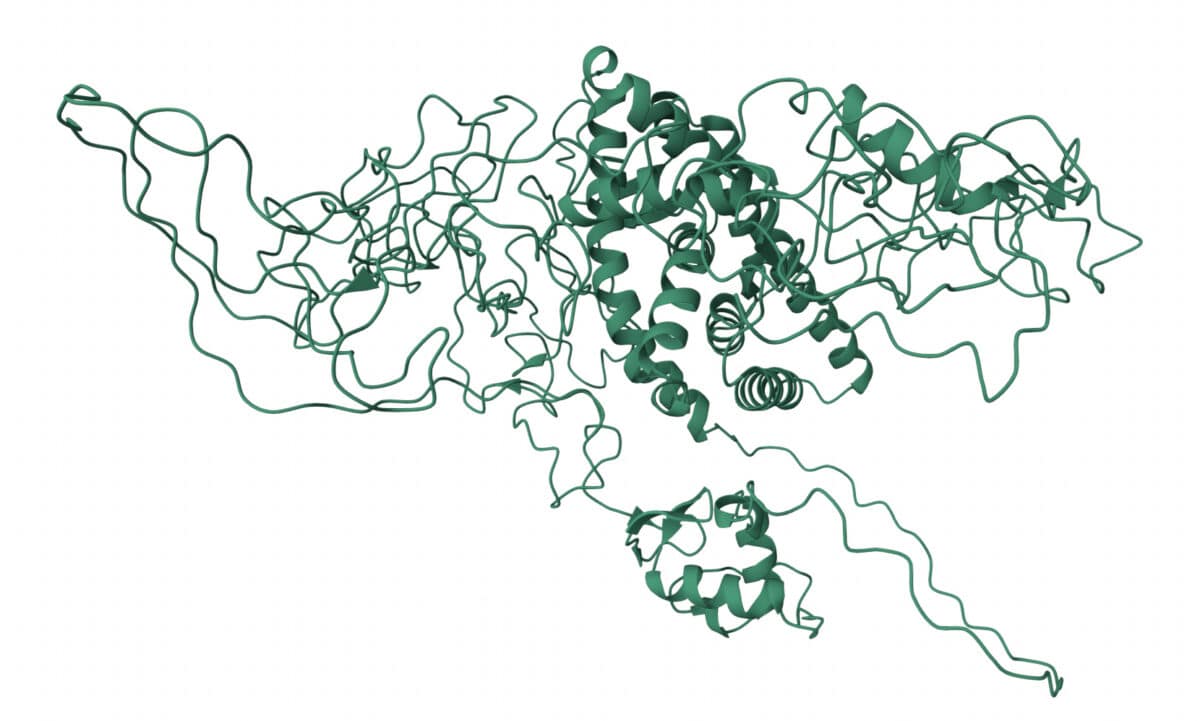

Robert_Brown Type post Author David Coppedge Date September 16, 2024 CategoriesIntelligent DesignLife Sciences Tagged , AlphaFold, antibiotics, ATP synthase, biophysicists, Brownian motion, Caltech, cells, conformations, cytoplasm, Duke University, Eric Hedin, intrinsically disordered proteins, kinesin, Maxwell’s demon, MIT, molecular machines, noncoding RNAs, nucleus, proteins, Robert Brown, Robert Shedinger, Scotsmen, The Scientist, Washington University Embrace the Chaos: How Cells Harness Disorder for Function David Coppedge September 16, 2024 Intelligent Design, Life Sciences 9 In three classes of examples, cells are shown to manipulate chaotic forces toward functional purposes. Read More ›
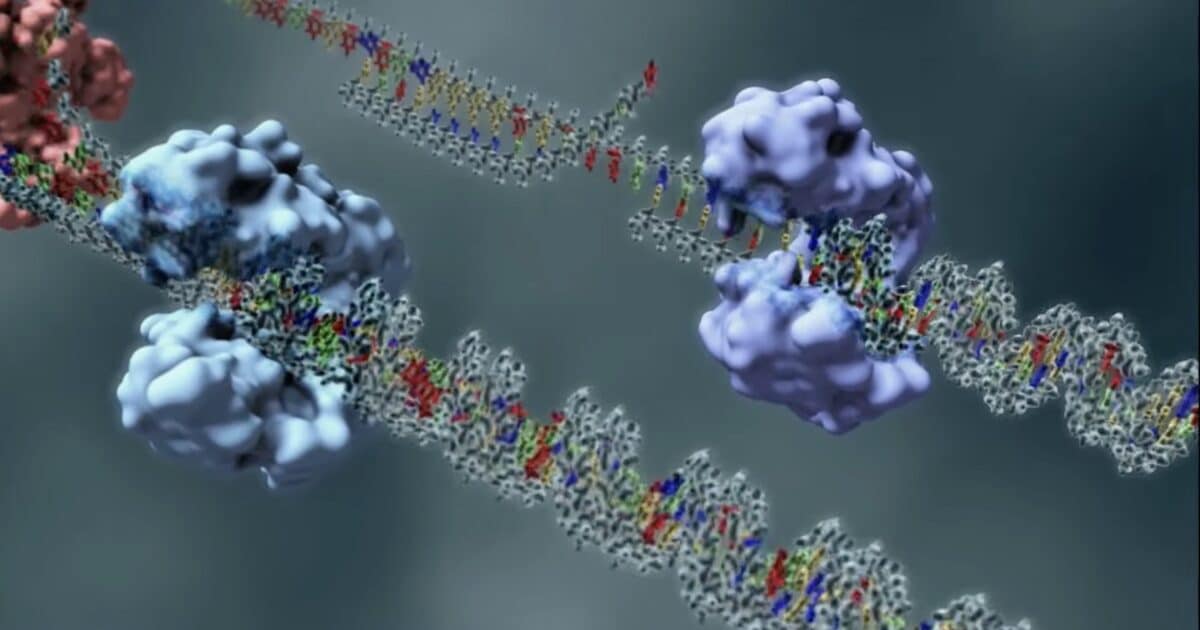
topoisomerase Type post Author Eric H. Anderson Date December 23, 2022 CategoriesBiologyEvolutionGeneticsIntelligent Design Tagged , AlphaFold, alternative genetic codes, Brian Miller, convergent evolution, devolution, discoveries, DNA, Douglas Axe, ENCODE, encoding, Endogenous retroviruses, epigenetics, evolution, Evolution News, frameshifting, genes, genomes, intelligent design, junk DNA, Michael Behe, mutations, neutral evolution, Paul Nelson, predictions, protein folding, protein rarity, RNAs, Scott Minnich, supercoiling, topoisomerase #10 Story of 2022: Twelve “Shocking” Discoveries for Evolution Eric H. Anderson December 23, 2022 Biology, Evolution, Genetics, Intelligent Design 5 Some discoveries might be surprising from an evolutionary perspective, but not necessarily from a perspective of intelligent design. Read More ›
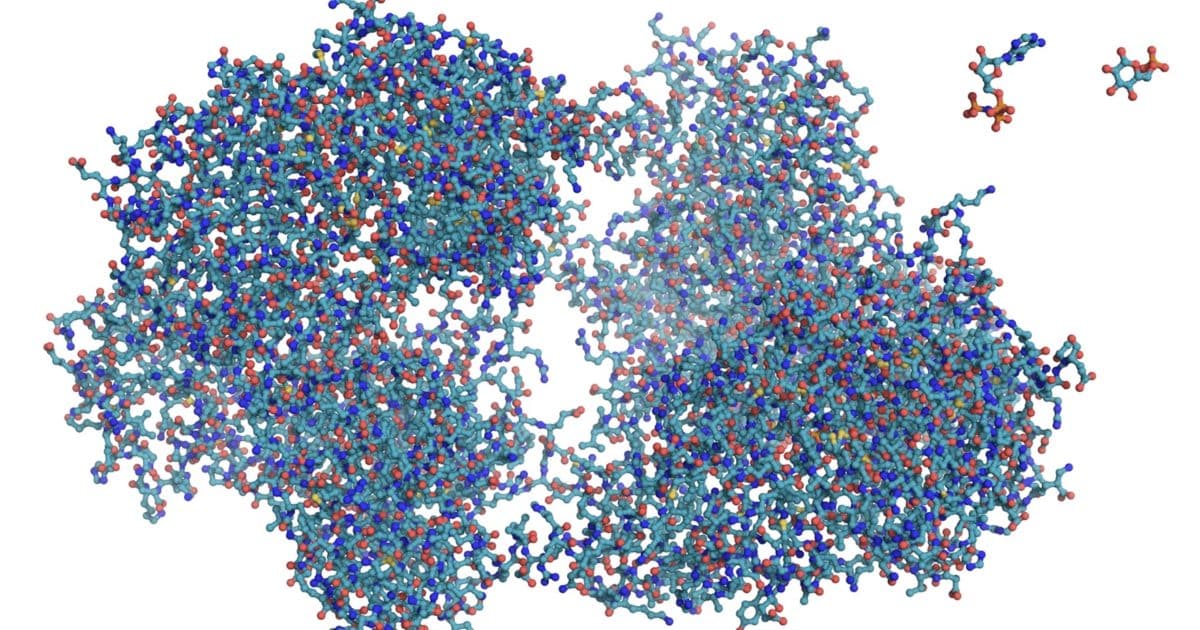
topoisomerase Type post Author Eric H. Anderson Date November 15, 2022 CategoriesBiologyEvolutionGeneticsIntelligent Design Tagged , AlphaFold, alternative genetic codes, Brian Miller, convergent evolution, devolution, discoveries, DNA, Douglas Axe, ENCODE, encoding, Endogenous retroviruses, epigenetics, evolution, Evolution News, frameshifting, genes, genomes, intelligent design, junk DNA, Michael Behe, mutations, neutral evolution, Paul Nelson, predictions, protein folding, protein rarity, RNAs, Scott Minnich, supercoiling, topoisomerase Twelve “Shocking” Discoveries for Evolution Eric H. Anderson November 15, 2022 Biology, Evolution, Genetics, Intelligent Design 5 Some discoveries might be surprising from an evolutionary perspective, but not necessarily from a perspective of intelligent design. Read More ›
Hexokinase Type post Date November 15, 2022 CategoriesBiologyEvolutionIntelligent Design Tagged , algorithms, AlphaFold, amino acid sequence, artificial intelligence, DNA, DNA sequence, Eric Anderson, Evolution News, ID the Future, intelligent design, Paul Nelson, podcast, proteins, proteome, Research Powerful Protein-Folding Algorithm AlphaFold Foiled by Singletons Science and Culture November 15, 2022 Biology, Evolution, Intelligent Design 2 We now know that biological information involves far more than just an organism’s proteome. Read More ›
Hexokinase Type post Author Paul Nelson Date September 29, 2022 CategoriesBiologyIntelligent DesignScience Tagged , AlphaFold, dictionary, DNA, English, Eugene Koonin, French National Centre for Scientific Research, genes, intelligent design, Paul Nelson, protein folding, ribosomes, sequence space, virosphere, viruses, waiting-time problem Why AlphaFold Has Not Solved the Protein-Folding Problem Paul Nelson September 29, 2022 Biology, Intelligent Design, Science 4 The online database AlphaFold represents an amazing breakthrough by any measure of the word “breakthrough.” Read More ›
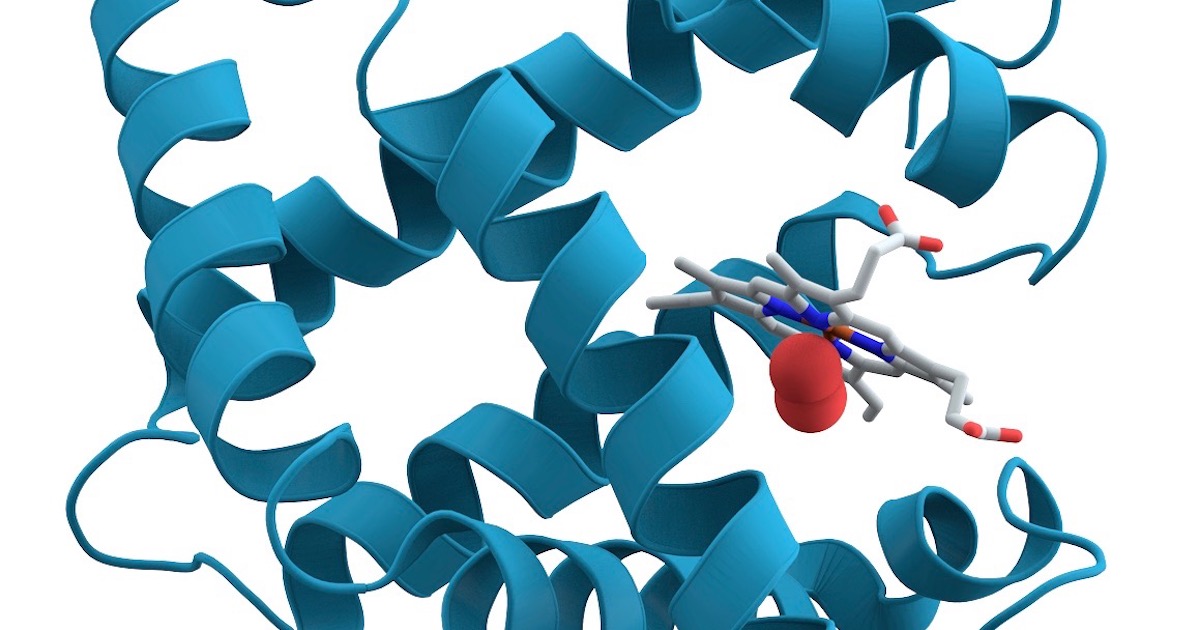
Myoglobin Type post Date December 16, 2020 CategoriesEvolutionIntelligent Design Tagged , AlphaFold, amino-acid sequences, artificial intelligence, chaperones, DeepMind, DNA, Douglas Axe, engineers, enzymes, Evolution News, evolutionary algorithms, Ewen Callaway, Go (game), hyperdrive, intelligent design, Nature News, No Free Lunch, Nobel Prize, proteins, reverse-engineering, Science (journal), Signature in the Cell, Undeniable (book), University of Maryland, William A. Dembski Protein Folding Breakthrough: Evolution or Design? Science and Culture December 16, 2020 Evolution, Intelligent Design 8 DeepMind, the AI company that beat human Go gamers with AlphaGo, has made progress in solving the protein folding problem. But who deserves the credit? Read More ›