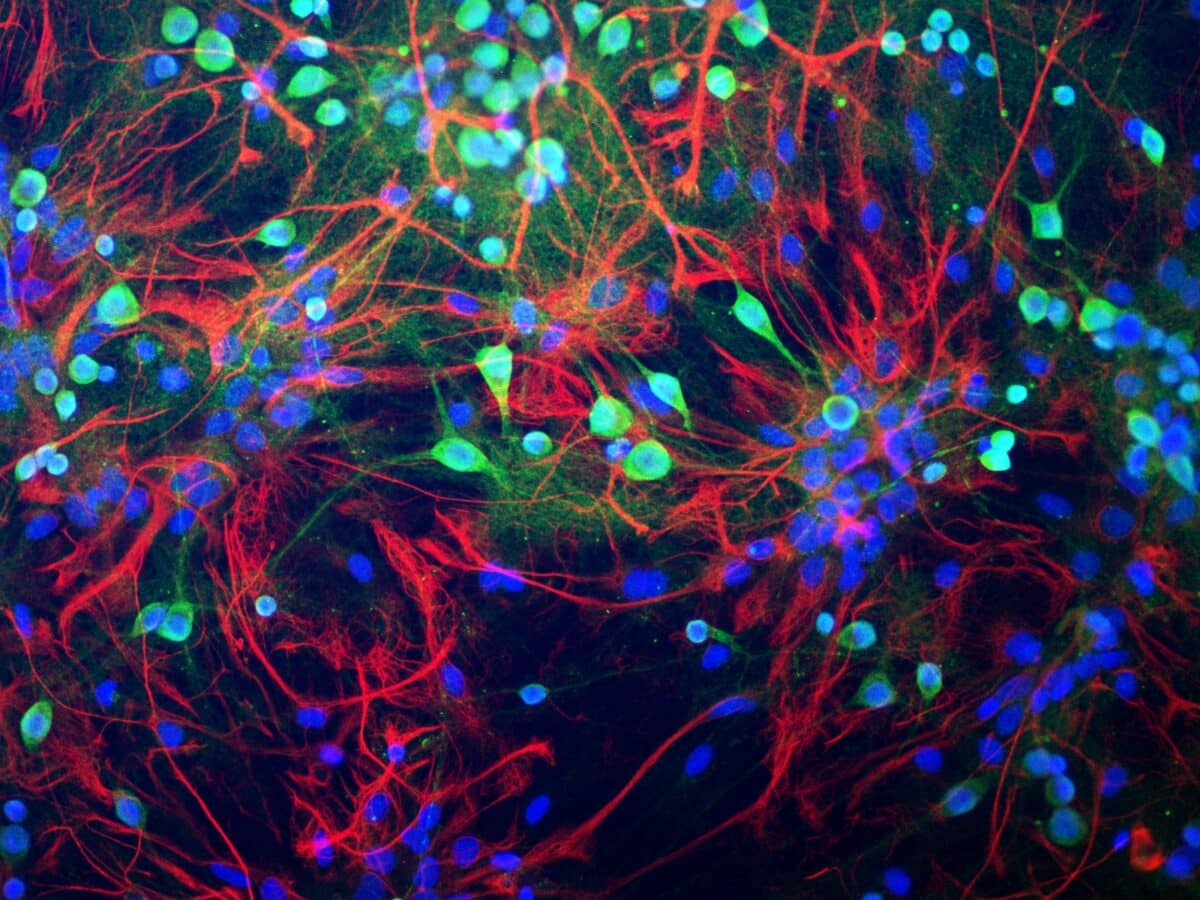
Chk-UCH1-GFAP-20X-1 Type post Author Jonathan McLatchie Date February 26, 2025 CategoriesBiologyEvolutionIntelligent Design Tagged , BioCosmos, carbohydrates, cell adhesion, complexity, dGRNs, endoplasmic reticulum, evolution, glycans, glycosylation, glycosyltransferases, Golgi apparatus, intelligent causes, intelligent design, kidney cells, nerve cells, probabilistic resources, proteins, signaling, stochastic processes, University of Georgia New Paper Examines How the Complexity of Glycan Structures Points to Intelligent Design Jonathan McLatchie February 26, 2025 Biology, Evolution, Intelligent Design 7 "This is, of course, important in order for a kidney cell to be and function as a kidney cell, a nerve cell to function as a nerve cell, and so forth." Read More ›
leaves Type post Date May 4, 2021 CategoriesBotanyIntelligent DesignLife Sciences Tagged , blood clotting, cancer, collagen, Darwin's Black Box, diseases, DNA repair, evolution, foresight, glycoprotein, glycosylation, health, intelligent design, Michael Behe, photosynthesis, PNAS, quantum mechanics Contingency Planning in the Cell Affirms Design Science & Culture May 4, 2021 Botany, Intelligent Design, Life Sciences 7 When sunlight is adequate, leaves are happy. On some days, though, there can be too much of a good thing. Read More ›