







































Science and Culture Today Discovering Design in Nature
Topic

brain

Michael Egnor
Photo: Michael Egnor at the inauguration of the Walter Bradley Center for Natural & Artificial Intelligence, by Nathan Jacobson.

Why Neurosurgeon Michael Egnor Stopped Being a Materialist Atheist
"It seemed to me that there had to be a conductor to this orchestra. But being an atheist, I didn’t think that was possible." Read More ›
Yuval Noah Harari
Photo credit: World Economic Forum, via Flickr (cropped).

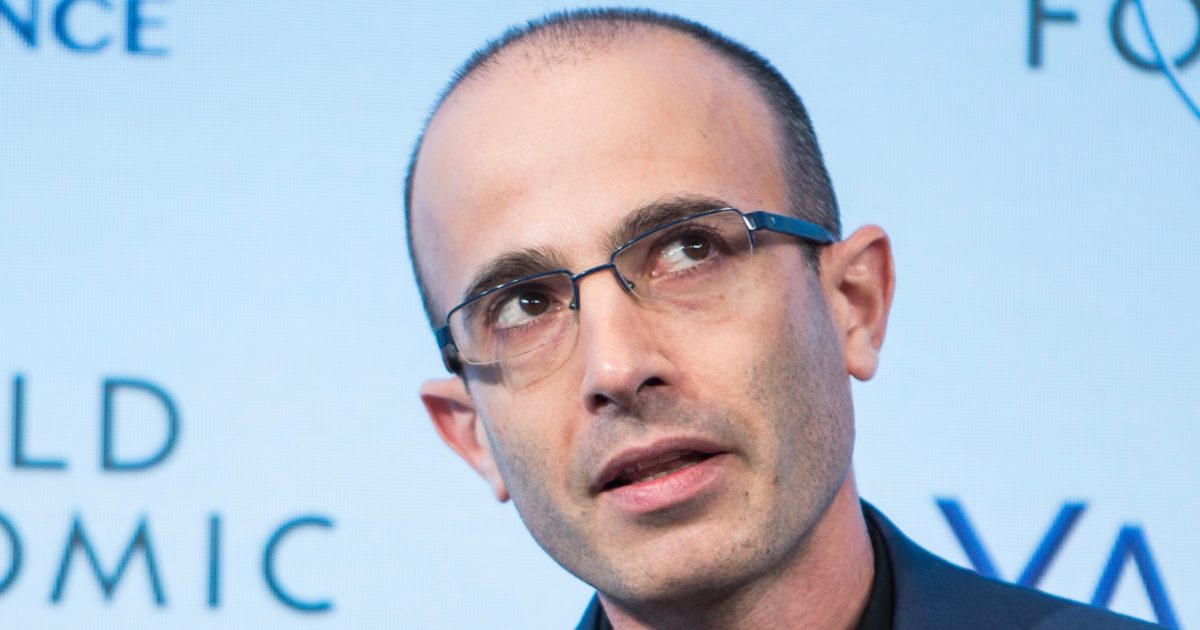
In Sapiens, Admissions and Overstatements about Human Evolutionary Origins
Harari’s conjecture — “There are no gods” — forms the very basis for everything he says in the rest of the book. Read More ›
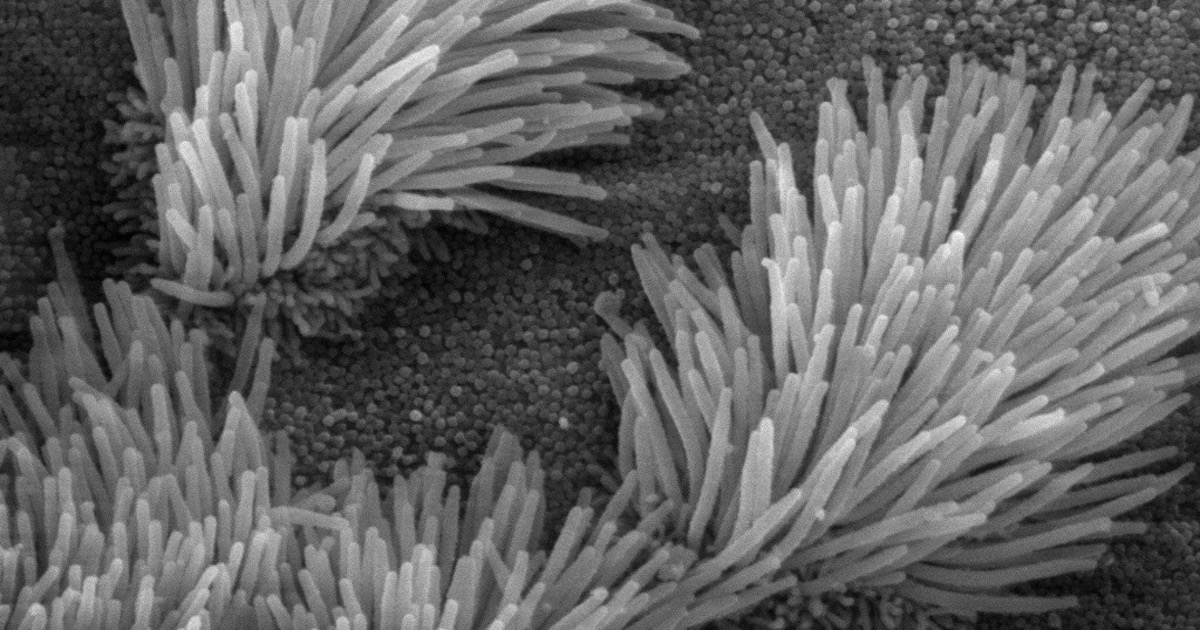
Bronchiolar_epithelium_3_-_SEM
Photo credit: Charles Daghlian, Public domain, via Wikimedia Commons.

Cilium and Intraflagellar Transport: More Irreducibly Complex than Ever

Another of Michael Behe’s molecular machines gets an update. The details are even more fascinating than originally described. Read More ›
religion
Photo credit: ian kelsall via Unsplash.

The Brain Prosperity Gospel: Can “Neurotheology” Be Real Science?
Neurotheology is likely to become just another materialist fad in which the human rational and spiritual soul is reduced to evolved meat. Read More ›
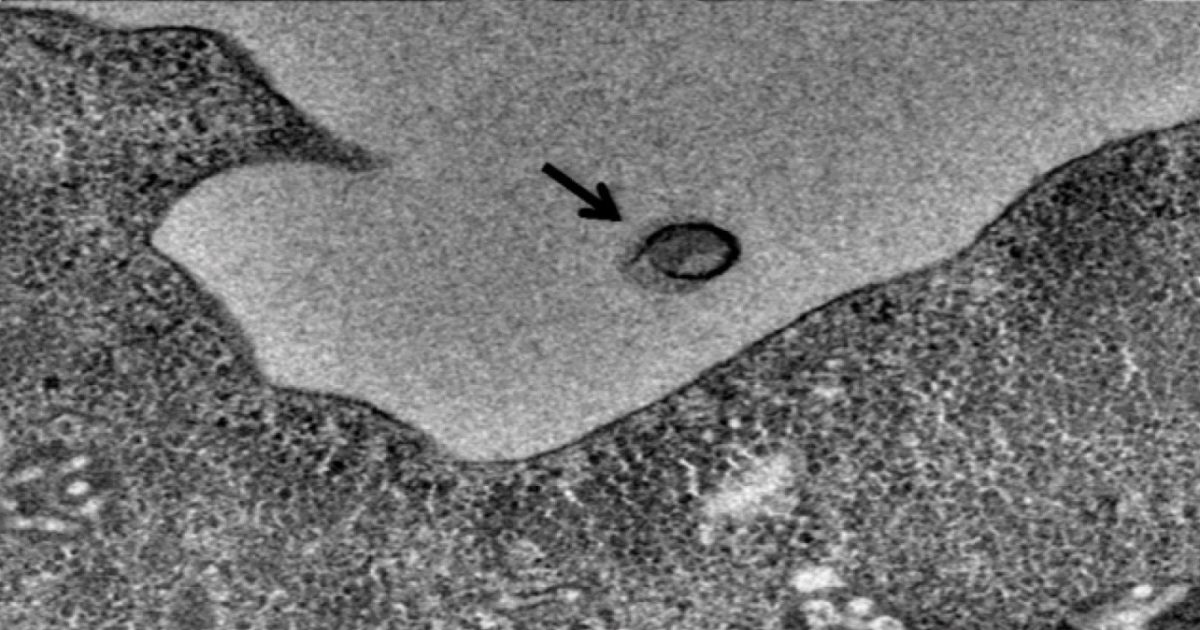
phagocyte
Photo: Engulfed by a phagocyte, by Leena H. Bajrai, Samia Benamar, Esam I. Azhar, Catherine Robert, Anthony Levasseur, Didier Raoult, Bernard La Scola. Academic Editor: Eric O. Freed, CC BY-SA 4.0 <https://creativecommons.org/licenses/by-sa/4.0>, via Wikimedia Commons.

Cell Cannibalism Shows Intelligent Design
“Eat me!” cries a cell to other cells. But biochemists know it is for the greater good. Read More ›
psychedelic

Can LSD Help Us Understand the Mind–Brain Relationship?

Aldous Huxley noted that LSD “lowers the efficiency of the brain as an instrument for focusing the mind on the problems of life.” Read More ›
intelligence
Photo credit: ALAN DE LA CRUZ, via Unsplash.

If IQ Is Inherited, Is the Intellect Simply Material?
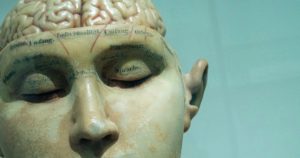
The widely accepted heritability of IQ — between 57 percent and 80 percent in twin studies — is strong evidence for the materiality of the intellect. Read More ›
brain
Photo credit: David Matos via Unsplash.

Why a “Budding” Neuroscientist Is Skeptical of Brain Scans

A major thrust of neuroscience has been the use of fMRI to correlate brain activity with thinking and to draw conclusions about the physical basis of the mind. Read More ›

© Discovery Institute