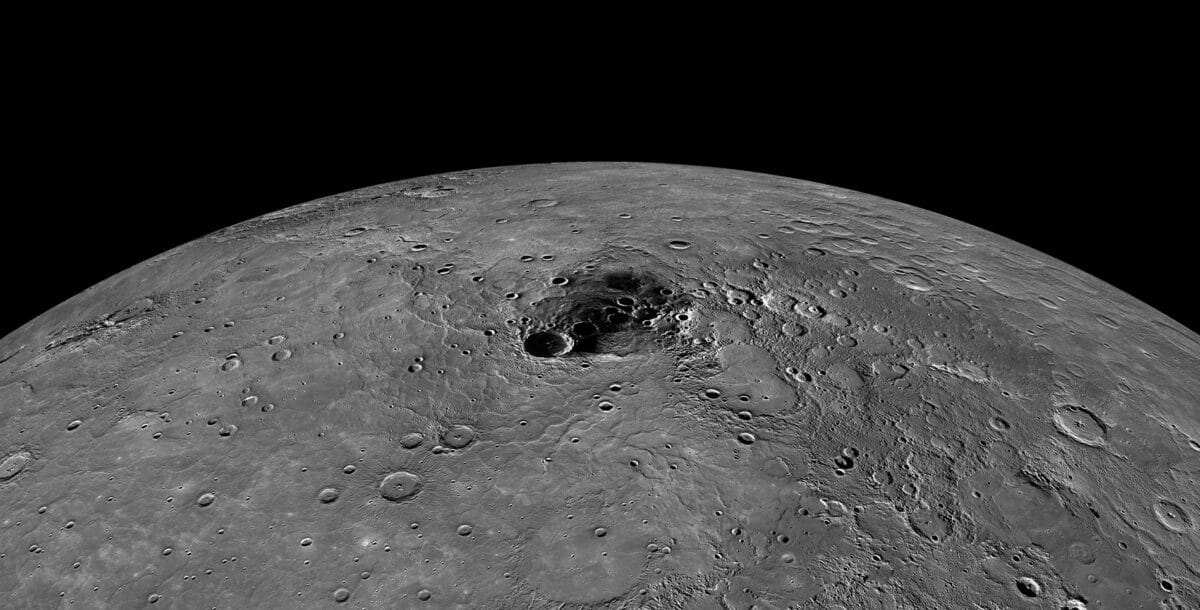
NorthpoleofMercury--NASA Type post Author Bruce Gordon Date March 17, 2026 CategoriesCosmologyFaith & SciencePhilosophy Tagged , Alex O’Connor, assumptions, background information, Bayes factor, Bayes’s theorem, Bayesian confirmation theory, Bayesian reasoning, Clark Glymour, confidence, denominators, Dutch book argument, epistemic probabilities, evidence, fine-tuning, fine-tuning argument, general relativity, General Theory of Relativity, hypothesis, likelihood, likelihood ratio, marginal probability, mental state, Mercury, naturalism, Nevin Climenhaga, normalization factor, panpsychism, pantheism, posterior probability, prior probability, probabilities, psychological states, Sean Carroll, subjectivism, subjectivist Bayesianism, The Fine-Tuning Argument and Its Cultured Despisers (series), theism, universe Bayesian Methodology and the Fine-Tuning Argument Bruce Gordon March 17, 2026 Cosmology, Faith & Science, Philosophy 17 To use Clark Glymour’s example, Einstein's general theory of relativity explained the anomalous precession of Mercury's perihelion. Read More ›
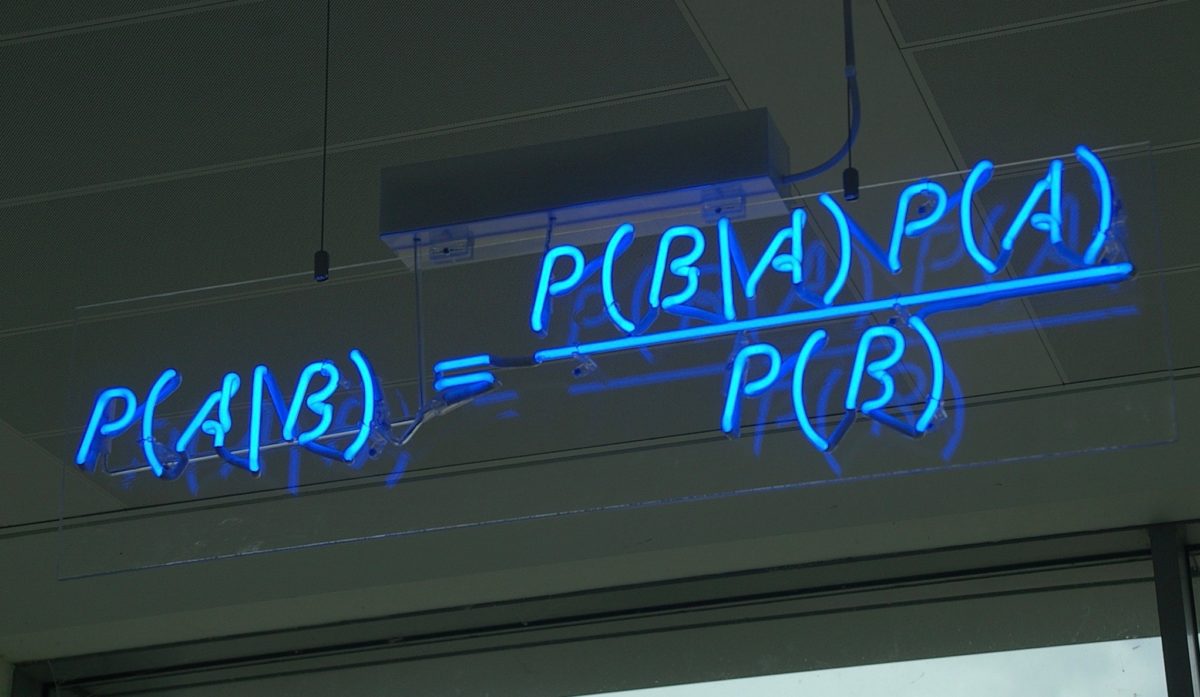
Bayes'-Theorem Type post Author Jonathan McLatchie Date February 11, 2025 CategoriesBiologyEvolutionFine-tuningIntelligent Design Tagged , atheism, Bayes factor, Bayes’s theorem, Bayesian reasoning, biological design, environmental fitness, Evolution News, ID the Future, intelligent design, physical constants, plausibility, podcast, prior probability, probabilities, theism When Building Our Case for Intelligent Design, How Should We Think About Prior Probability? Jonathan McLatchie February 11, 2025 Biology, Evolution, Fine-tuning, Intelligent Design 4 Bayes’s theorem is a tool for modeling our evaluation of evidences to appropriately apportion the confidence in our conclusions to the strength of the evidence. Read More ›
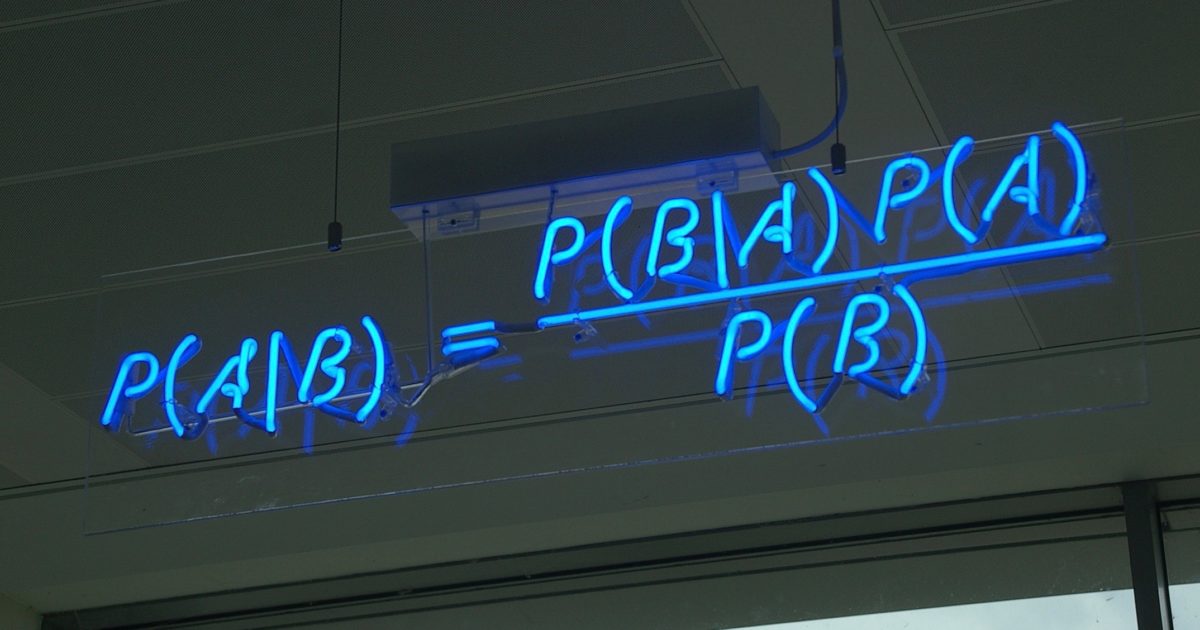
Bayes' Theorem Type post Author Andrew McDiarmid Date November 21, 2023 CategoriesBiologyEvolutionFine-tuningIntelligent Design Tagged , Bayes’s theorem, Bayesian reasoning, Big Bang, biological information, biosphere, cells, environmental fitness, evolution, ID the Future, information, information processing, intelligent design, Irreducible Complexity, Jonathan McLatchie, likelihood, Lydia McGrew, nature, Thomas Bayes Bayesian Probability and Intelligent Design: A Beginner’s Guide Andrew McDiarmid November 21, 2023 Biology, Evolution, Fine-tuning, Intelligent Design 3 If the phrase “Bayesian calculus” makes you want to run for the hills, you’re not alone! Bayesian logic can sound intimidating at first. Read More ›