






































Science and Culture Today Discovering Design in Nature
Category

Paleontology

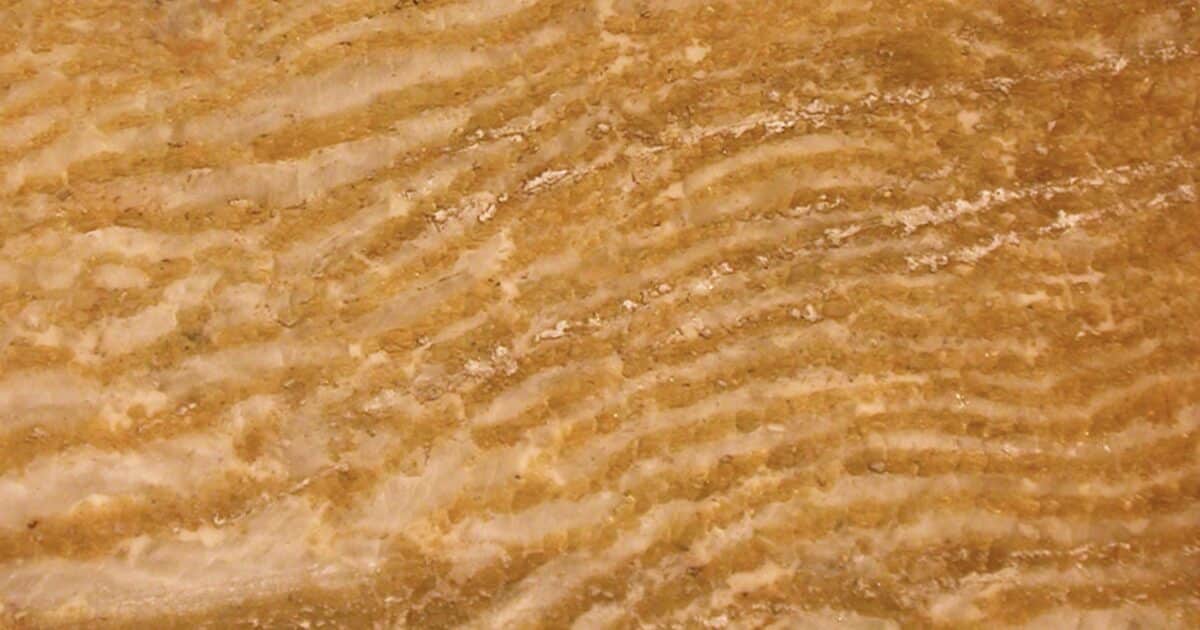
Eozoon
Photo credit: Wilson44691, Public domain, via Wikimedia Commons.

Fossil Friday: Eozoön, the Dawn Animal Fallen from Grace

In modern paleontology it is still a very common phenomenon that fossils are over-interpreted by the scientists and over-hyped in the media. Read More ›
Cloudina
Photo credit: James St. John, CC BY 2.0 <https://creativecommons.org/licenses/by/2.0>, via Wikimedia Commons.

Fossil Friday: Cloudina Still Lacks the Guts to Be a Worm
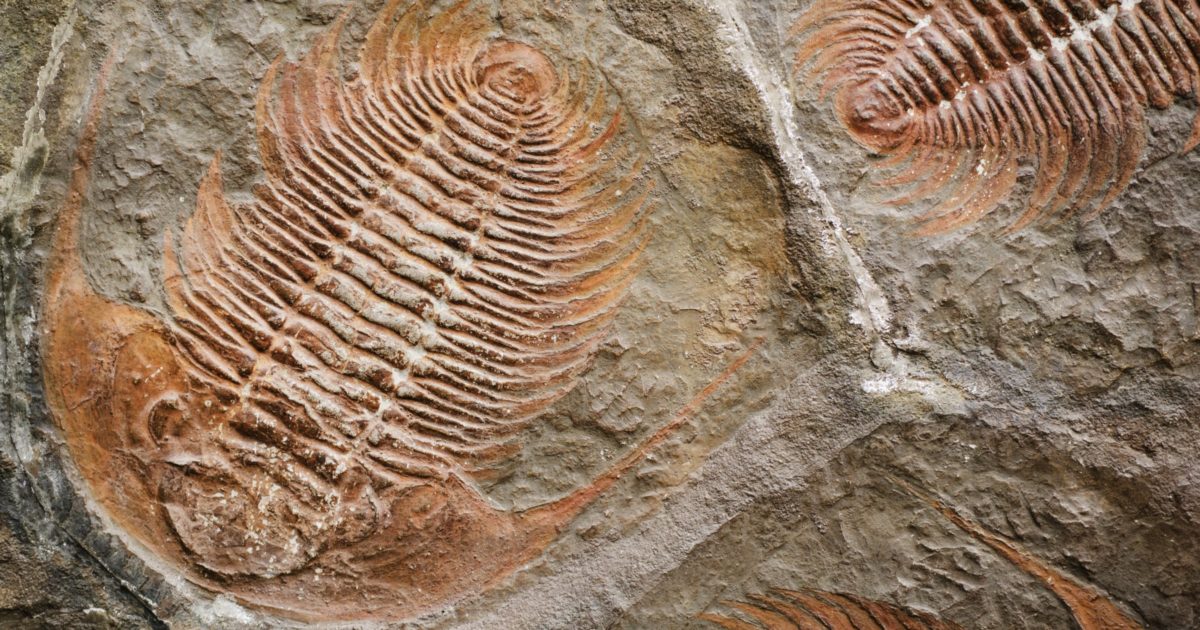
We intelligent design proponents make one successful prediction after another, while Darwinism's track record of failed predictions grows ever longer. Read More ›
trilobite
Photo licensed by Adobe Stock.

Why Intelligent Design Best Explains the Fossil Record Data
The fossil record is consistent with the engineering-based theory of bounded adaptation Read More ›
ravens
Photo: Common ravens, via Wikimedia Commons.

Our Ancestors Are Evolving, Just to Keep Up!
Negative biases about our forebears have long been part of science, education, and popular culture. Why? Read More ›
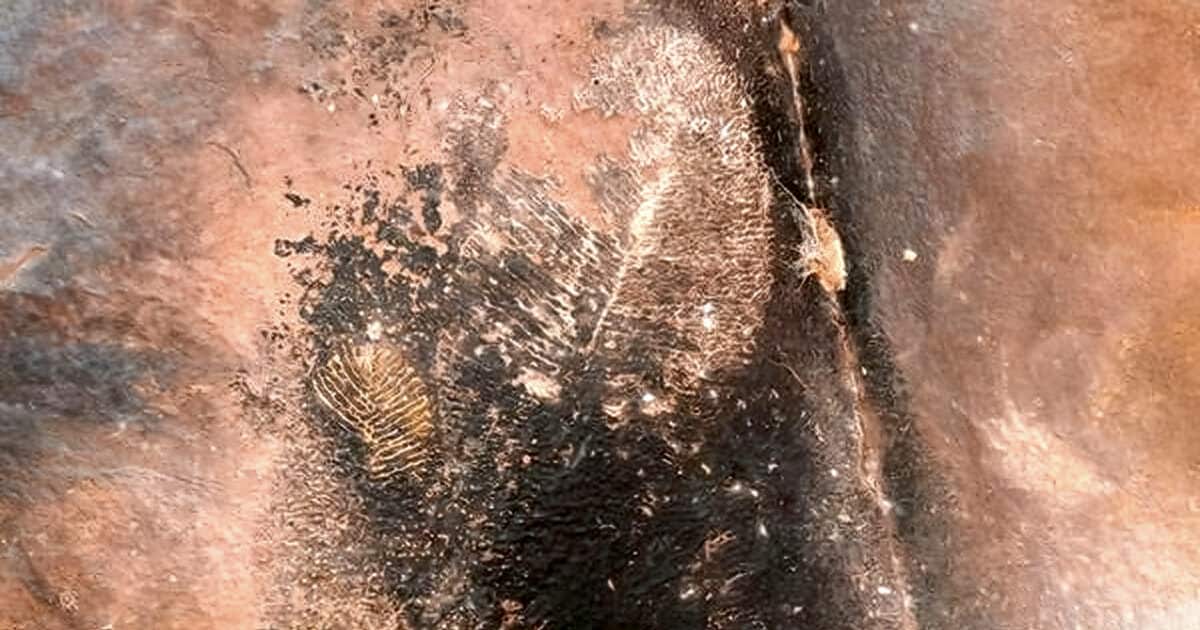
Bhimbetka
Photo: <I>Dickinsonia</I>-like pseuodofossil, Bhimbetka cave, Retallack et al. 2021, fair use.

Fossil Friday: Alleged Precambrian Fossil Unmasked as Rotten Beehive

The scientists revisited the site and discovered that the assumed Ediacaran fossils are neither of Ediacaran age nor represent fossils at all. Read More ›
Homo rudolfensis
Photo credit: Gunnar Creutz, CC BY-SA 4.0 <https://creativecommons.org/licenses/by-sa/4.0>, via Wikimedia Commons.

Fossil Friday: Homo rudolfensis, Another Contentious Homo
Considering the checkered history of grandiose claims and controversies in paleoanthropology, some caution may be wise. Read More ›
Sauropods
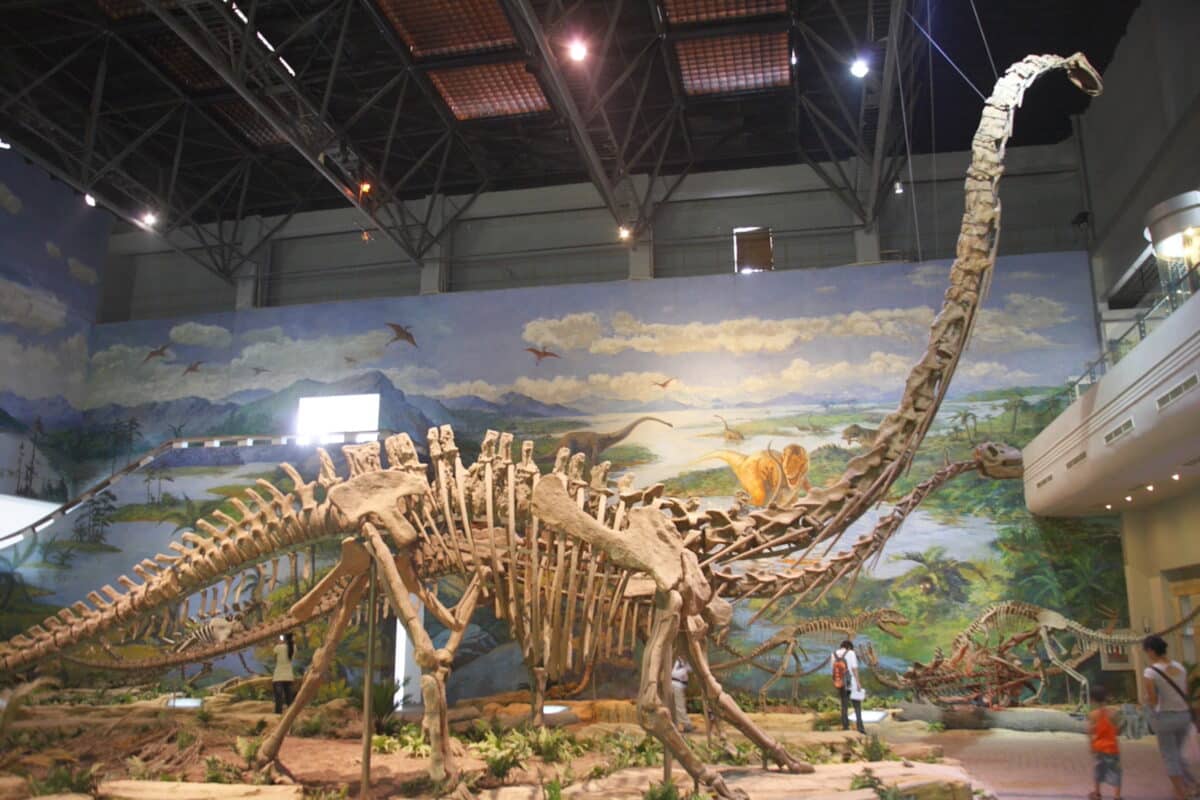
Photo: Skeletal Reconstruction of <I>Mamenchisaurus youngi</I>, though other sources speak of the very closely related <I>Omeisaurus</I>, in the Dinosaur Museum of Zigong, by Einar Fredriksen, CC BY-SA 2.0 <https://creativecommons.org/licenses/by-sa/2.0>, via Wikimedia Commons.

Long Necks in Sauropod Dinosaurs — By Neo-Darwinism or Intelligent Design?

The origin of the ingeniously intricate long necks in sauropod dinosaurs has been postulated to have arisen more than 35 times independently. Read More ›
OH_7_replica_03
Photo credit: Nachosan, CC BY-SA 3.0 <https://creativecommons.org/licenses/by-sa/3.0>, via Wikimedia Commons.

Fossil Friday: To Be or Not to Be Homo
The fossil hominin Homo habilis was described 1964 by Louis Leakey and his colleagues from the 1.9 million year old Olduvai Gorge locality in Tanzania. Read More ›
comb jelly
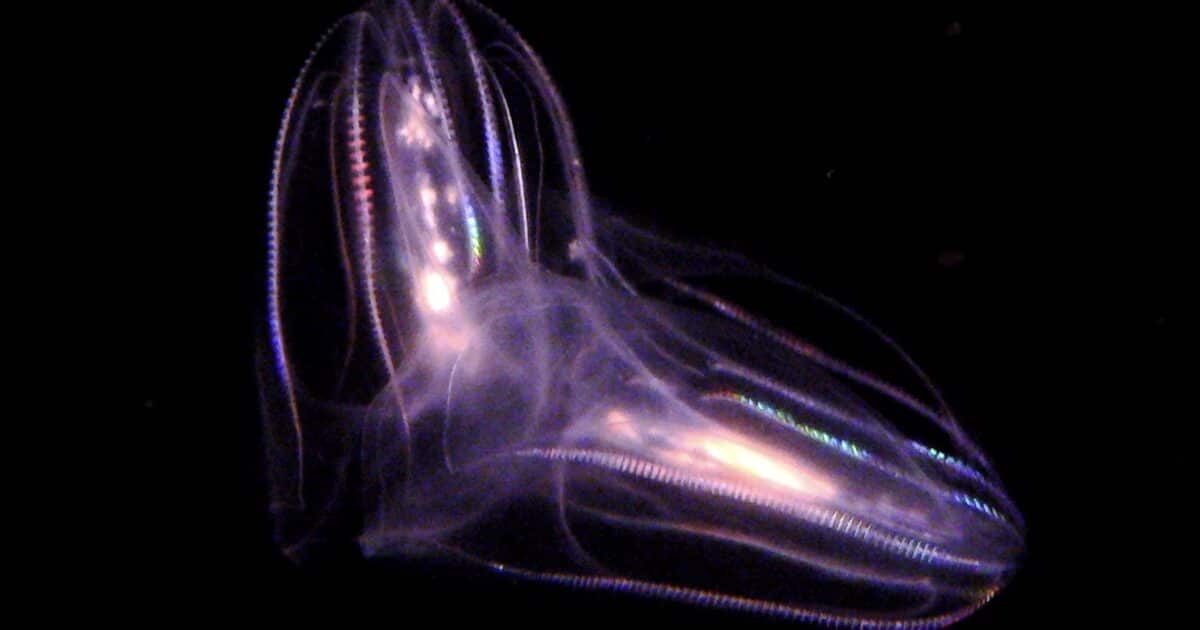
Photo: A comb jelly, by Steve Jurvetson from Menlo Park, USA, CC BY 2.0 <https://creativecommons.org/licenses/by/2.0>, via Wikimedia Commons.

Earliest Comb Jellies Wore Armor — “Remarkable,” Say Researchers

It would be surprising, under an evolutionary view, to find such a complex system in the earliest animal fossils. Read More ›
Neanderthal Musuem
Photo: Neanderthal Musuem, Germany, by Clemens Vasters, via Flickr (cropped).

Researchers: Neanderthals Invented Process to Produce Birch Tar

The tar can be used for glue, bug repellent, and killing germs. This finding tracks growing recognition of Neanderthals as intelligent. Read More ›

© Discovery Institute