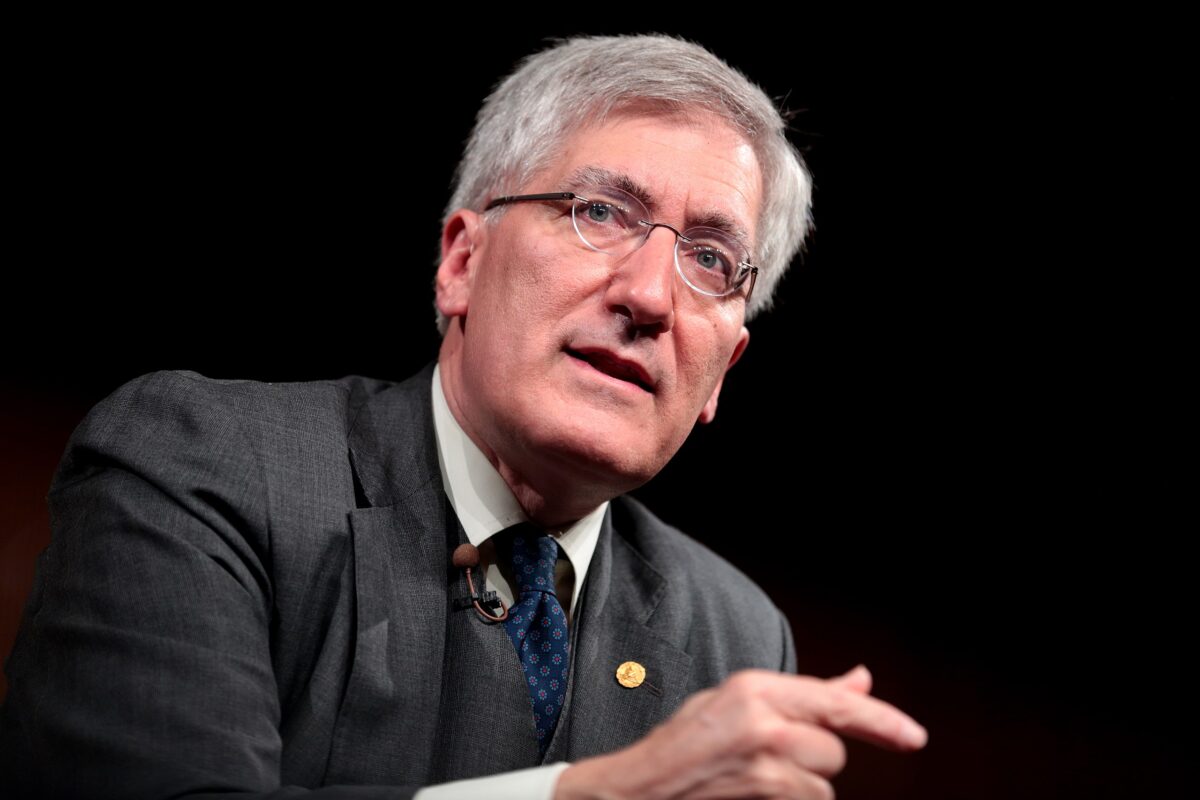
2560px-RobertPGeorge39036187335 Type post Author Wesley J. Smith Date December 8, 2025 CategoriesBioethicsEthicsHuman Exceptionalism Tagged , animals, bioethics, ethics, Harvard University, human exceptionalism, Humanize, moral value, Oxford University, Poland, President’s Council on Bioethics, responsibilities, UNESCO Robert P. George on the Reality and Importance of Human Exceptionalism Wesley J. Smith December 8, 2025 Bioethics, Ethics, Human Exceptionalism 2 Whether or not human beings are exceptional is one of the most important questions of our age. Read More ›
Spine_of_Darwin's_'The_Descent_of_Man'_Wellcome_L0051102 Type post Author Daniel Witt Date June 24, 2025 CategoriesBioethicsEvolutionHuman Origins and Anthropology Tagged , apes, C.S. Lewis, Charles Darwin, chemistry, Christianity, Dante Alighieri, Darwinism, Erasmus Darwin, intelligence, J. B. S. Haldane, John Milton, Lord Monboddo, Mars, race, science fiction, scientific racism, scientists, The Descent of Man, Third Reich, UNESCO The End of Scientific Racism Daniel Witt June 24, 2025 Bioethics, Evolution, Human Origins and Anthropology 10 J. B. S. Haldane initially subscribed to some of the racism of the era — but, to his credit, his views shifted over time as more evidence came to light. Read More ›
DebH-new-york-public-domain-resized Type post Author Daniel Witt Date June 5, 2025 CategoriesEvolutionHistory of ScienceLife Sciences Tagged , Adolf Hitler, Albert Einstein, Bertrand Russell, Charles Darwin, China, cooperation, COVID-19, Denis Noble, Erasmus Darwin, eugenics, evolution, Jean-Baptiste Lamarck, Joana Xavier, Johann Wolfgang von Goethe, John Dewey, Karl Marx, Marxism, Neo-Darwinism, On the Origin of Species, Peter Corning, Stuart Kauffman, UNESCO, Zeitgeist Nature in the Image of Man: Introducing the New Social Darwinism Daniel Witt June 5, 2025 Evolution, History of Science, Life Sciences 16 Always, the initial social/intellectual change has come first, and the scientific paradigm shift has followed after. Read More ›
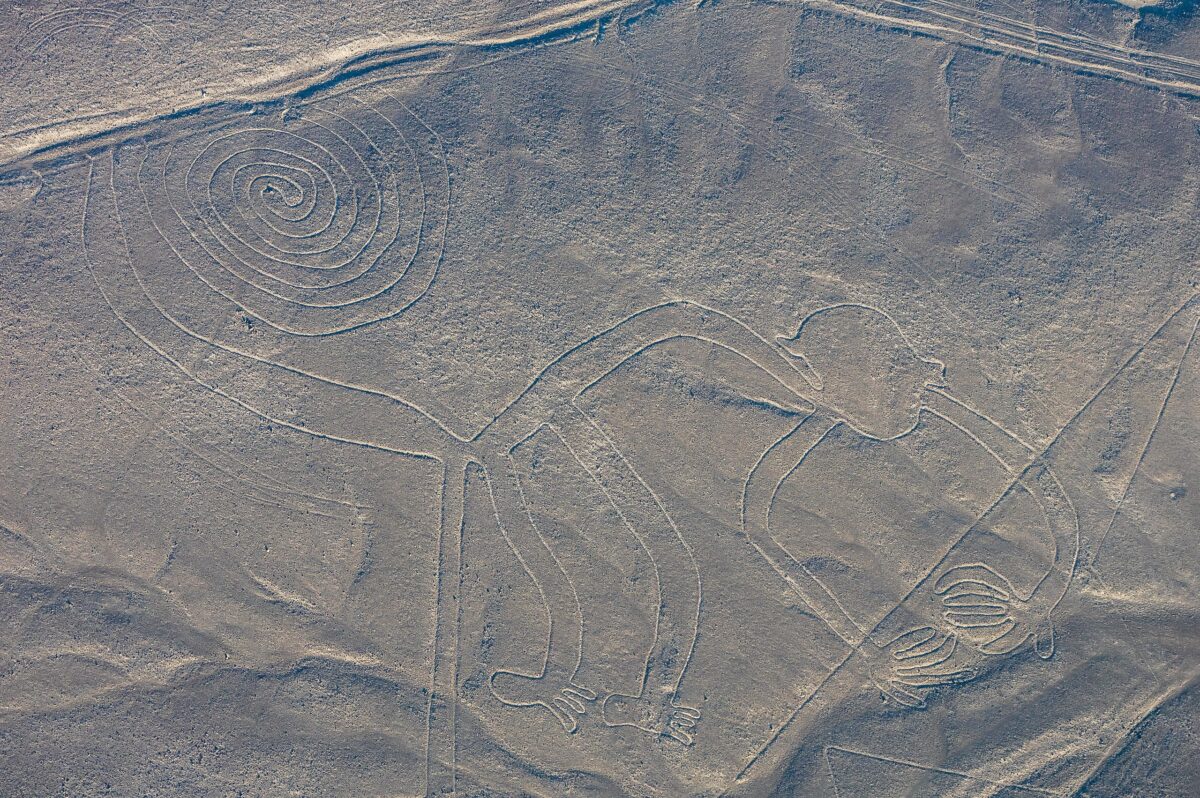
Líneas_de_Nazca,_Nazca,_Perú,_2015-07-29,_DD_49 Type post Author David Coppedge Date October 28, 2024 CategoriesArchaeologyIntelligent DesignPhysical Sciences Tagged , algorithms, anthropologists, archaeologists, design detection, design filter, graffiti, historians, history, intelligent design, New Scientist, Peru, PNAS, UNESCO Using AI to Discover Intelligent Design David Coppedge October 28, 2024 Archaeology, Intelligent Design, Physical Sciences 7 Hundreds of faint archaeological geoglyphs were found by training AI on aerial photographs of the Nazca plain in Peru. Read More ›
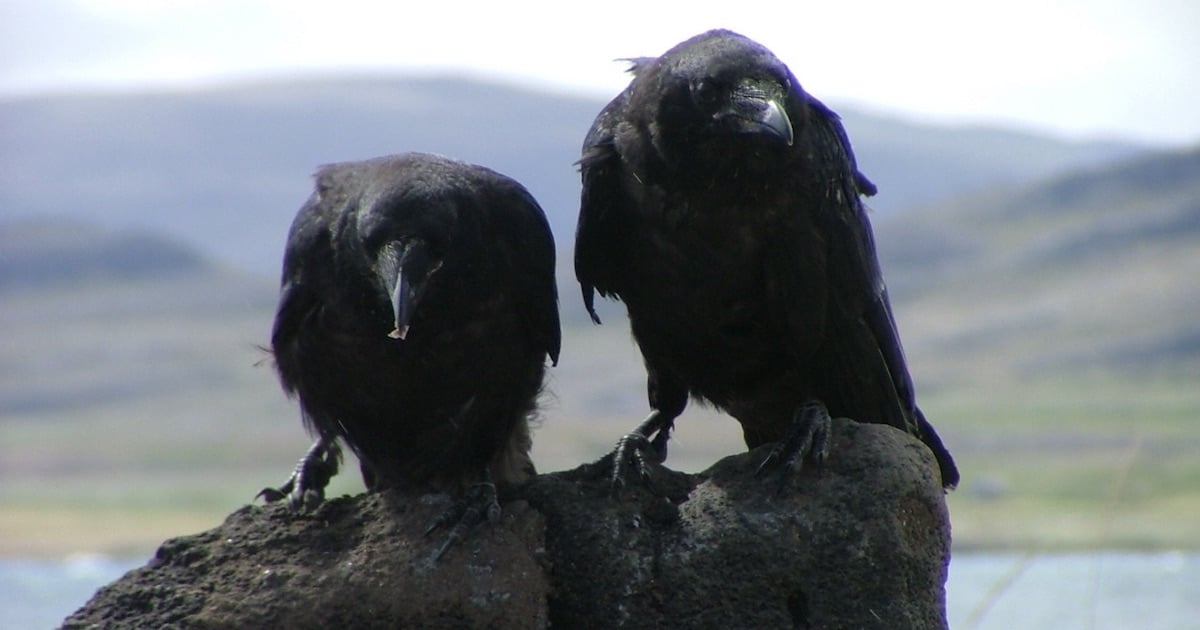
ravens Type post Author Denyse O’Leary Date July 10, 2023 CategoriesEvolutionHuman Origins and AnthropologyPaleontology Tagged , ancestors, archeology, cave art, Czech Republic, David Coppedge, human origins, humans, intelligence, Neanderthals, Racism, ravens, sexism, UNESCO, University of Tübingen, whiteness Our Ancestors Are Evolving, Just to Keep Up! Denyse O’Leary July 10, 2023 Evolution, Human Origins and Anthropology, Paleontology 4 Negative biases about our forebears have long been part of science, education, and popular culture. Why? Read More ›
celebrate science Type post Author Sarah Chaffee Date November 10, 2017 CategoriesBioethicsScienceScience Education Tagged , __cedited, Center for Science and Culture, coercion, education, eugenics, forced sterilization, girls, Jordan, nuclear weapons, science, UNESCO, United Nations, Wesley J. Smith, women Celebrate Science? Of Course, But… Sarah Chaffee November 10, 2017 Bioethics, Science, Science Education 3 Today is the United Nations Education, Scientific and Cultural Organization’s World Science Day for Peace and Development. Read More ›
Golden Record Type post Date October 18, 2017 CategoriesIntelligent DesignLife Sciences Tagged , __cedited, __image, Being as Communion, Carl Sagan, DNA, extraterrestrial intelligence, genetic code, H.G. Wells, information, music, pareidolia, Sarah Chaffee, The Time Machine, UNESCO, William A. Dembski If No One Can Play It, Is It Music? Science & Culture October 18, 2017 Intelligent Design, Life Sciences 8 Archiving music in DNA for future generations sounds promising, as long as the playback directions are not forgotten. Read More ›