Science and Culture Today Discovering Design in Nature
Author

Günter Bechly

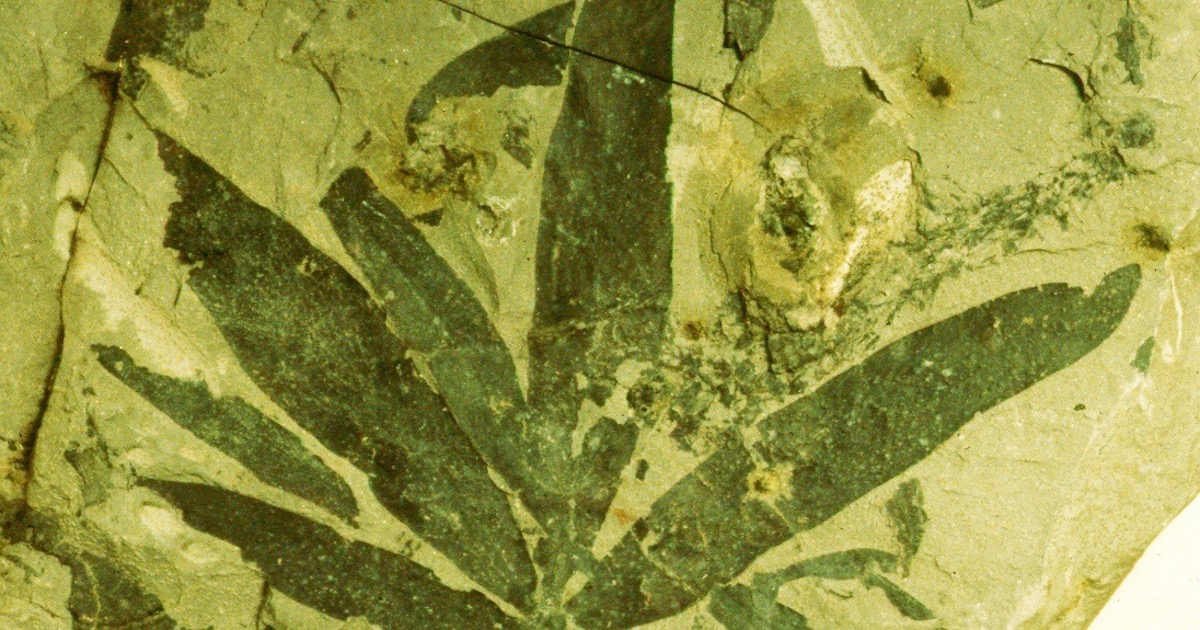
Montsechia_vidalii_20170317
Photo credit: Montsechia vidalii, an early flowering plant fossil from the Lower Cretaceous of Spain, by Luis Fernández García, CC BY-SA 4.0 <https://creativecommons.org/licenses/by-sa/4.0>, via Wikimedia Commons.

Darwin’s “Abominable Mystery” Is Not Alone: Gaps Everywhere!

There is clearly a pattern of discontinuities that requires an adequate explanation, and Darwinism is not it. Read More ›
Sagenopteris_phillipsi_Natural_History_Museum_v18596_Retallack_1980
Photo: The Jurassic seed fern Sagenopteris belongs to the extinct gymnosperm clade Caytoniales, which is believed to be the closest relative of flowering plants, via Wikimedia.

Darwin’s “Abominable Mystery”: Still Alive and Kicking
Darwinists had hoped that 150 years of paleontological research since Darwin would surely make this nagging problem go away. Read More ›
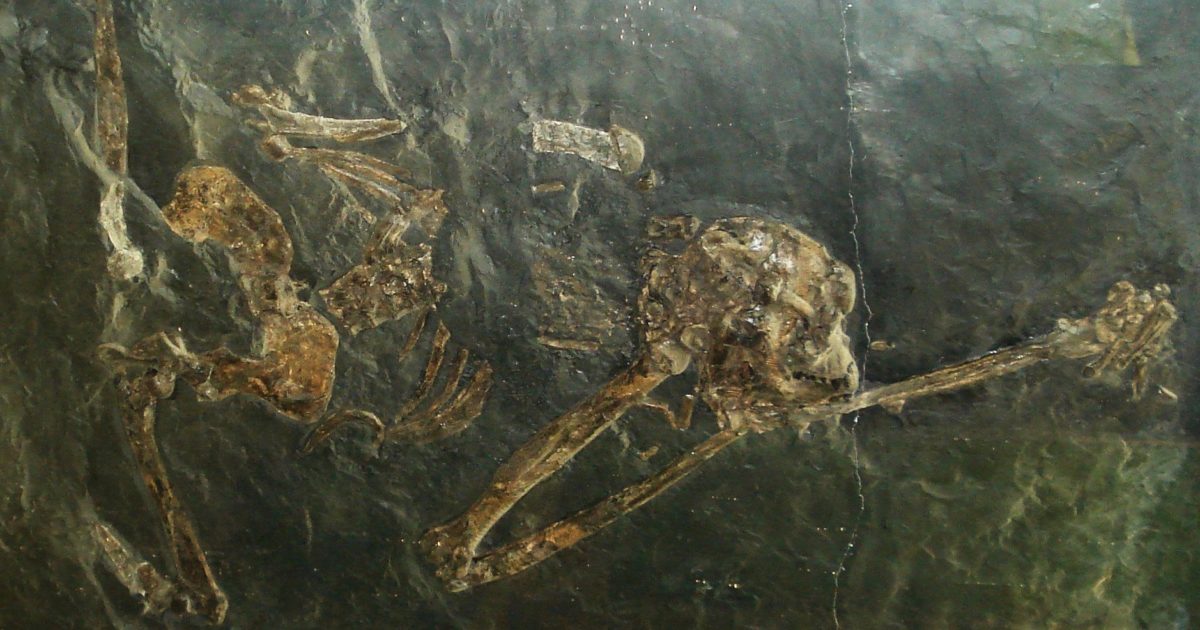
Miocene ape Oreopithecus bambolii
Photo: Miocene ape Oreopithecus bambolii, by Ghedoghedo, CC BY-SA 3.0 <https://creativecommons.org/licenses/by-sa/3.0>, via Wikimedia Commons.

Scientists Conclude: Human Origins Research Is a Big Mess
Considering the number of fossils attributed to the human lineage, an absence of such fossils for the great African ape lineages raises an obvious suspicion. Read More ›
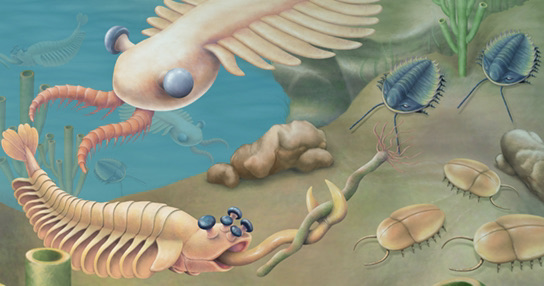
Cambrian animal phyla
Image: Cambrian animal phyla, by CNX OpenStax, CC BY 4.0 <https://creativecommons.org/licenses/by/4.0>, via Wikimedia Commons.

The Cambrian Explosion Has Just Gone Nuclear
Here are two very interesting updates to my recent articles on alleged Ediacaran animals and the Cambrian Explosion. Read More ›
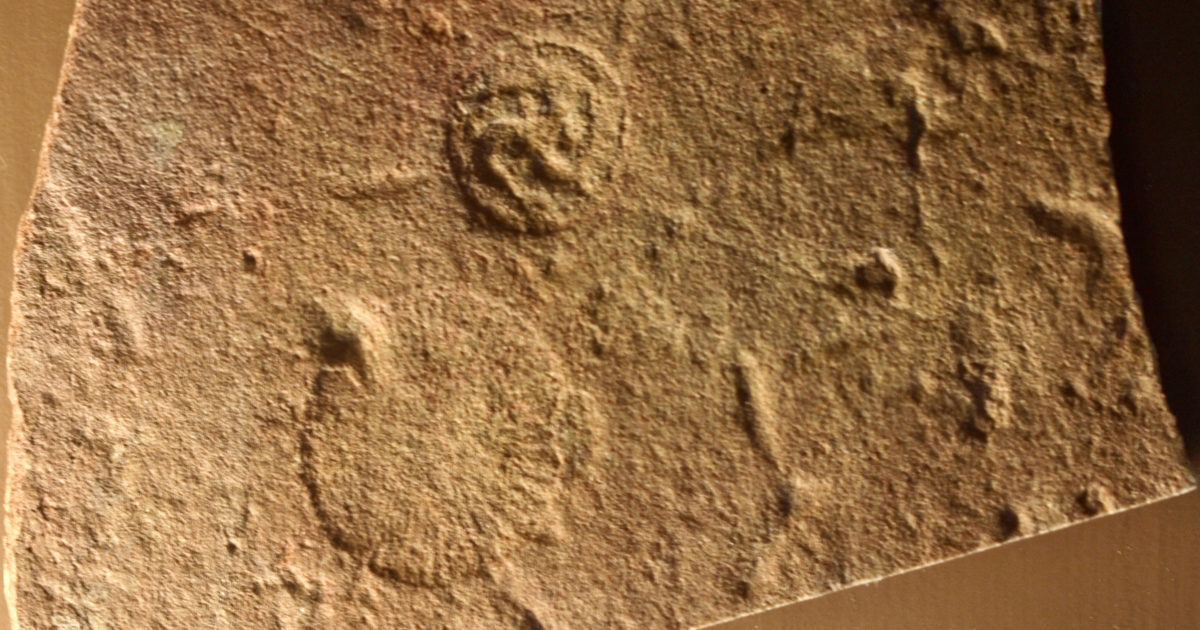
Tribrachidium
Photo: Tribrachidium, by Captmondo, CC BY-SA 3.0 <https://creativecommons.org/licenses/by-sa/3.0>, via Wikimedia Commons.

Evans et al. (2021): All Four Examples Debunked
Evans et al. (2021) seem to have been well aware of the circular reasoning in their argument. Read More ›
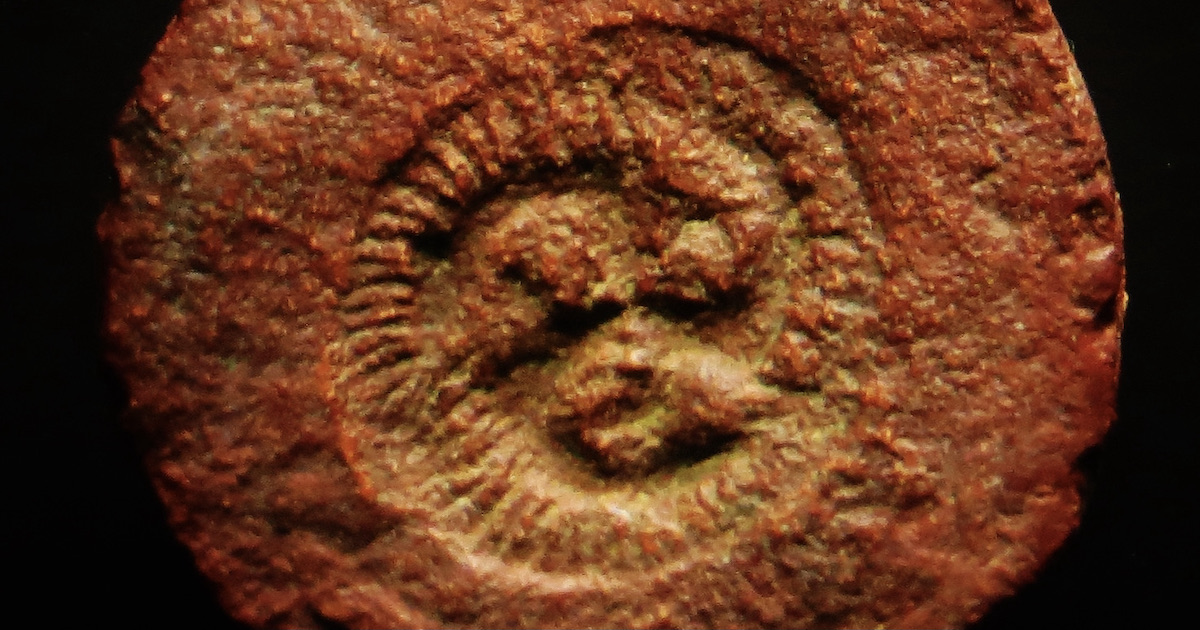
Tribrachidium
Photo: Tribrachidium, by https://upload.wikimedia.org/wikipedia/commons/a/a3/Tribrachidium_heraldicum_34.jpg.

Unknown Biology of Trilobozoa

Not much is known about the anatomy, biology, and ecology of the enigmatic trilobozoans. Read More ›
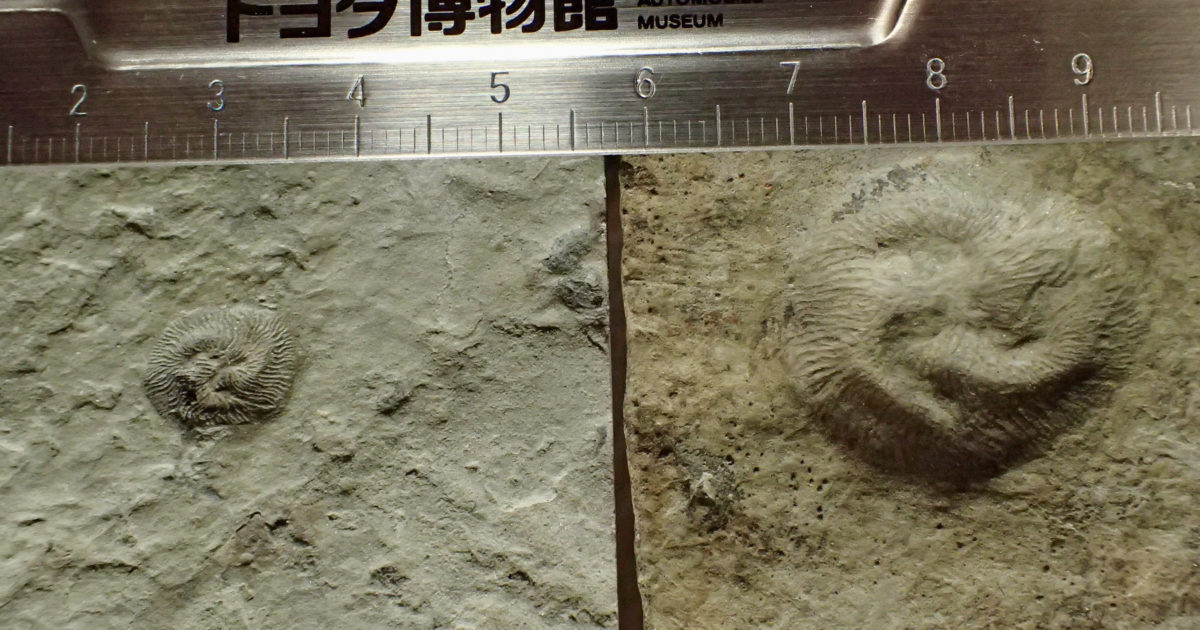
Tribrachidium
Photo: Tribrachidium, by Masahiro miyasaka, CC BY-SA 4.0 <https://creativecommons.org/licenses/by-sa/4.0>, via Wikimedia Commons.

Uncertain Affinities of Trilobozoa

That the same fossils can be attributed to at least six different phyla of marine invertebrates as well as terrestrial fungi really should give reason to pause. Read More ›
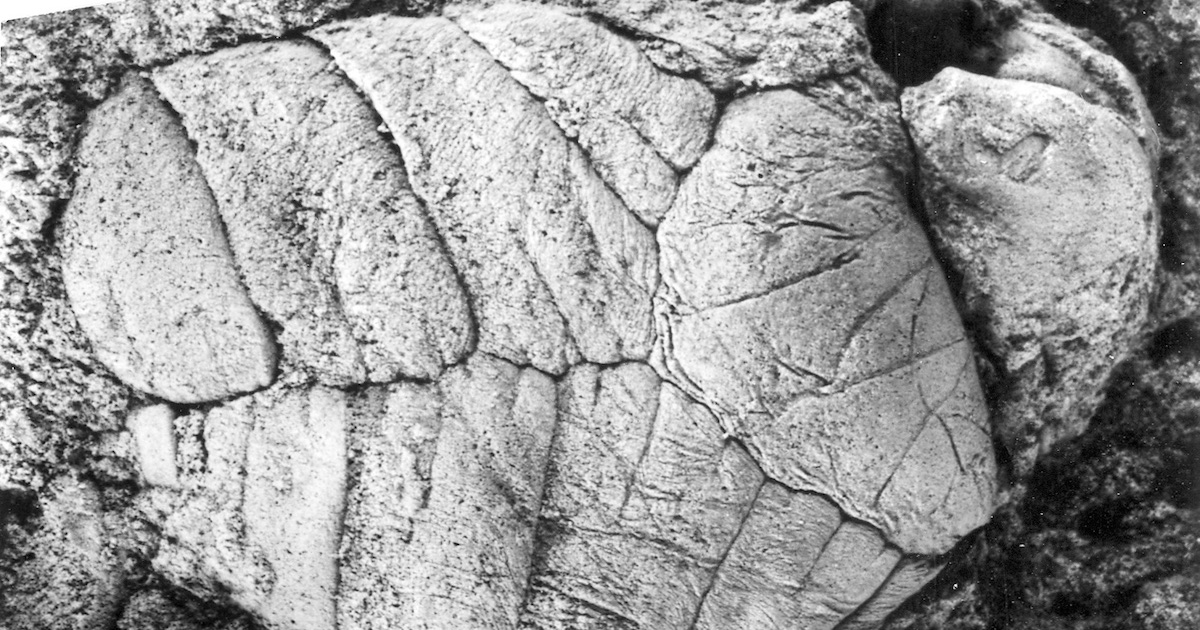
Ventogyrus
Photo: Ventogyrus, by Retallack, CC BY-SA 4.0 <https://creativecommons.org/licenses/by-sa/4.0>, via Wikimedia Commons.

Examining Potential Other Trilobozoans
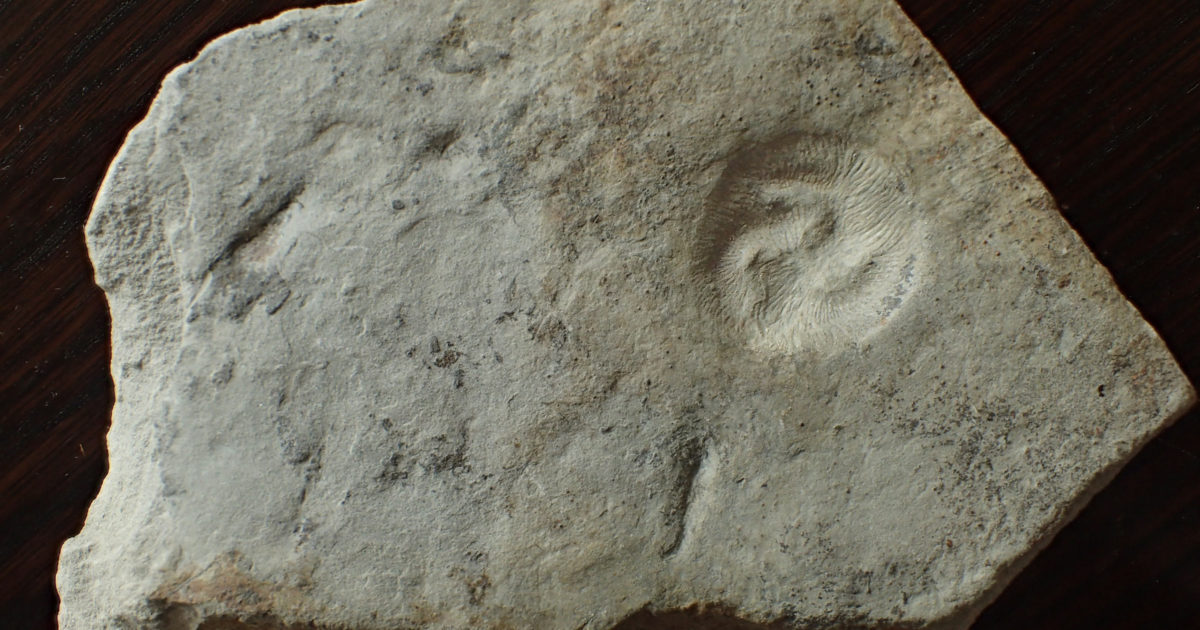
Last but not least, there is this gem: In 1986 strange mushroom-shaped deep-sea animals were collected offshore South Australia. Read More ›
Tribrachidium
Photo: Tribrachidium, by Masahiro miyasaka, CC BY-SA 4.0 <https://creativecommons.org/licenses/by-sa/4.0>, via Wikimedia Commons.

The Enigmatic Tribrachidium and Trilobozoa
Trilobozoans are unique to the Ediacaran biota; they appeared suddenly 560 million-years-ago in the fossil record without any precursors. Read More ›
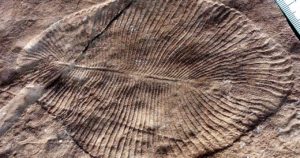
Dickinsonia
Cambrian explosion
Photo: Dickinsonia, by Verisimilus at English Wikipedia, CC BY-SA 3.0 <http://creativecommons.org/licenses/by-sa/3.0/>, via Wikimedia Commons.

Ediacarans Are Not Animals

Even Evans et al. (2021) themselves admitt that "phylogenetic affinities for most of the Ediacara Biota remain enigmatic." Read More ›

© Discovery Institute