Science and Culture Today Discovering Design in Nature
Author

Günter Bechly

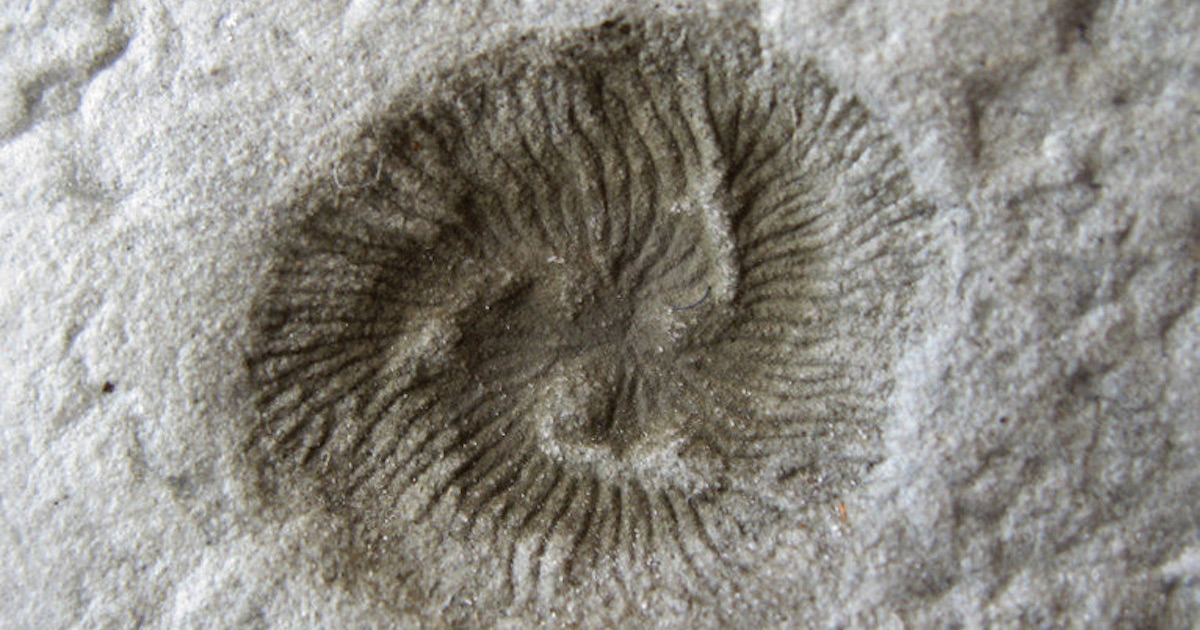
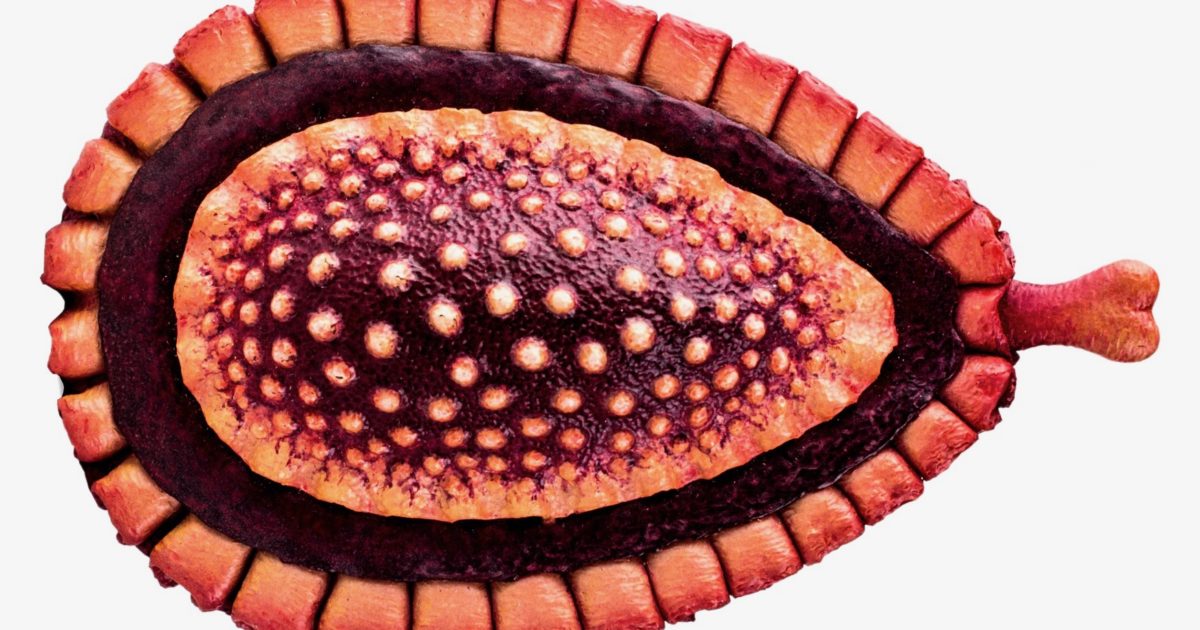
Tribrachidium heraldicum
Photo: Tribrachidium heraldicum from the Ediacaran period
, by Aleksey Nagovitsyn (User:Alnagov), CC BY-SA 3.0 <https://creativecommons.org/licenses/by-sa/3.0>, via Wikimedia Commons.

A Precambrian House of Cards

Wow, that's cool, they not only found the elusive Ediacaran animals but even could unravel their genomes!? Read More ›
Namacalathus and Cloudina
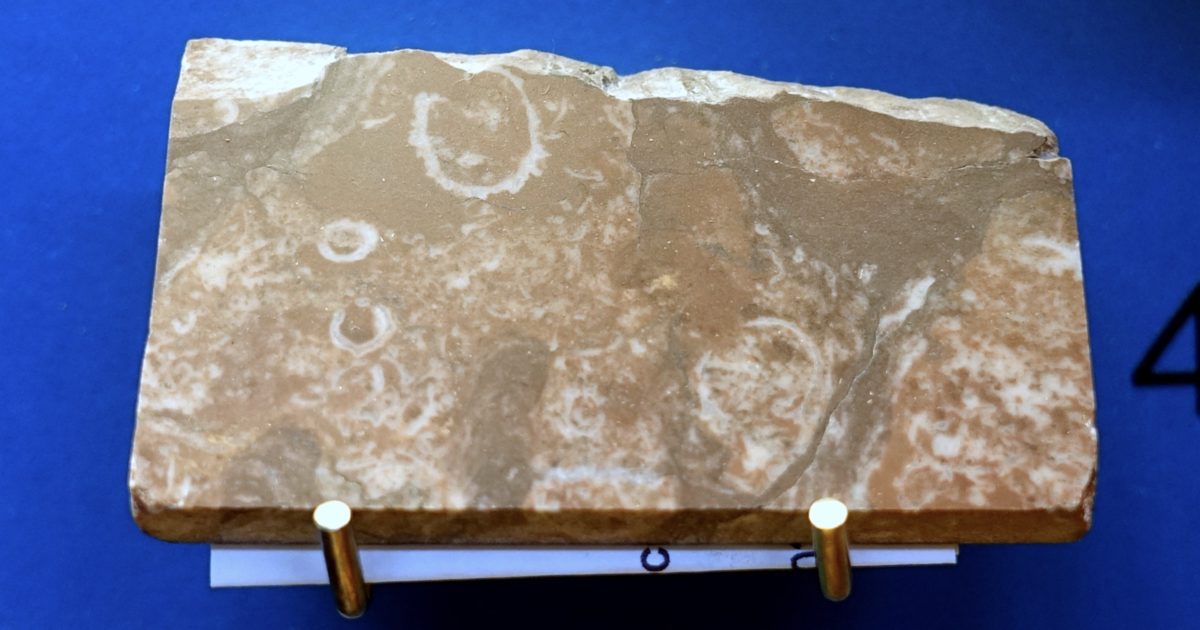
Namacalathus and Cloudina fossils
Photo: Namacalathus and Cloudina fossils, collection of Redpath Museum, McGill University, by Daderot / CC0, via Wikimedia.

Namacalathus Revisited — Not Much to See
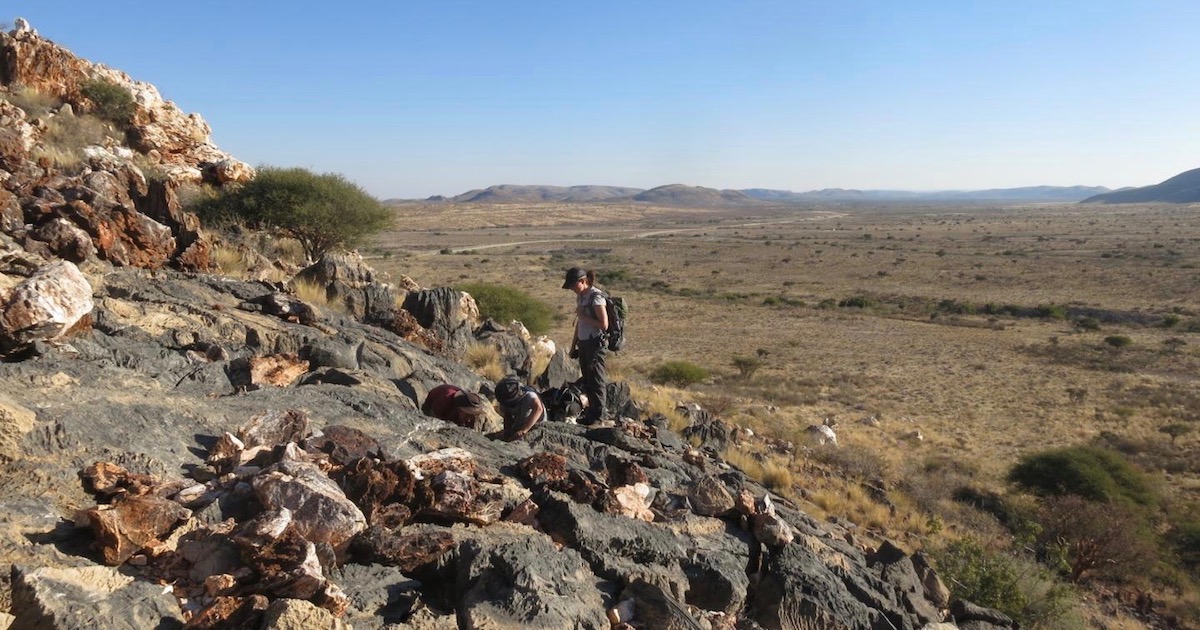
The new evidence is very ambiguous and totally inconclusive. No far-reaching conclusions should be drawn from such dubious material. Read More ›
Namacalathus
Photo: The new fossils stem from a layer in the Nama Group of Namibia, by Rachel Wood via EurekAlert! No usage restrictions.

Resurrecting Namacalathus as an Ediacaran Animal
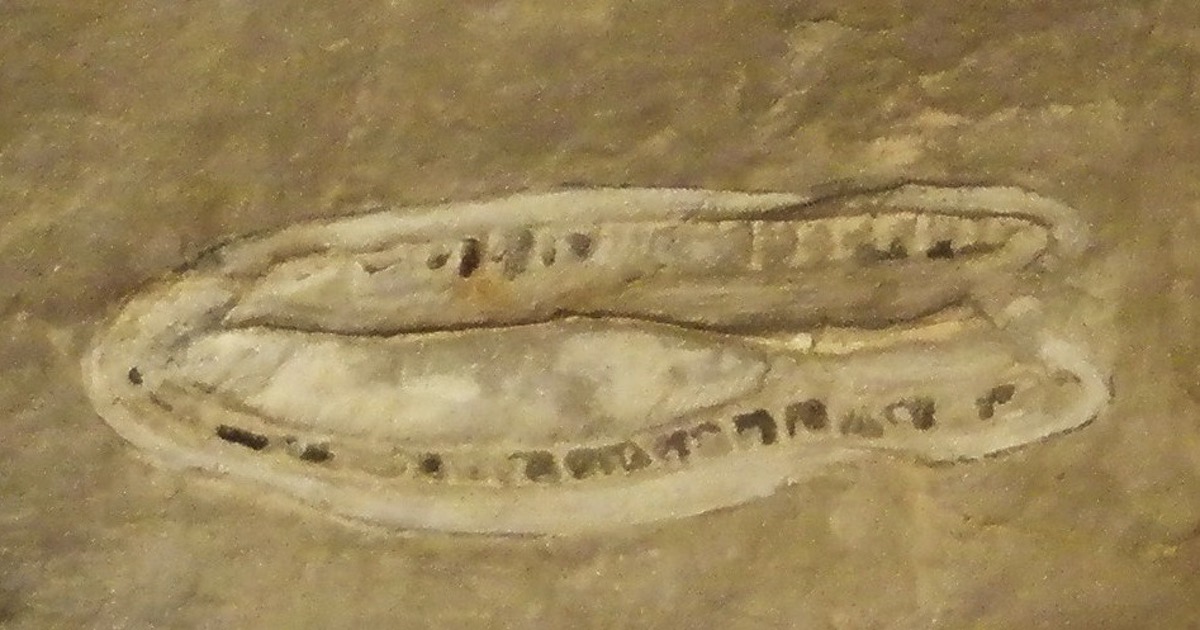
The new fossils stem from a layer in the Nama Group of Namibia, just below an ash bed that could be radiometrically dated to 547.32 ± 0.65 million years. Read More ›
Kimberella
Kimberella
Photo: Kimberella, by Ghedoghedo / CC BY-SA (https://creativecommons.org/licenses/by-sa/3.0).

#2 Story of 2020: Kimberella Is No Solution to the Cambrian Conundrum
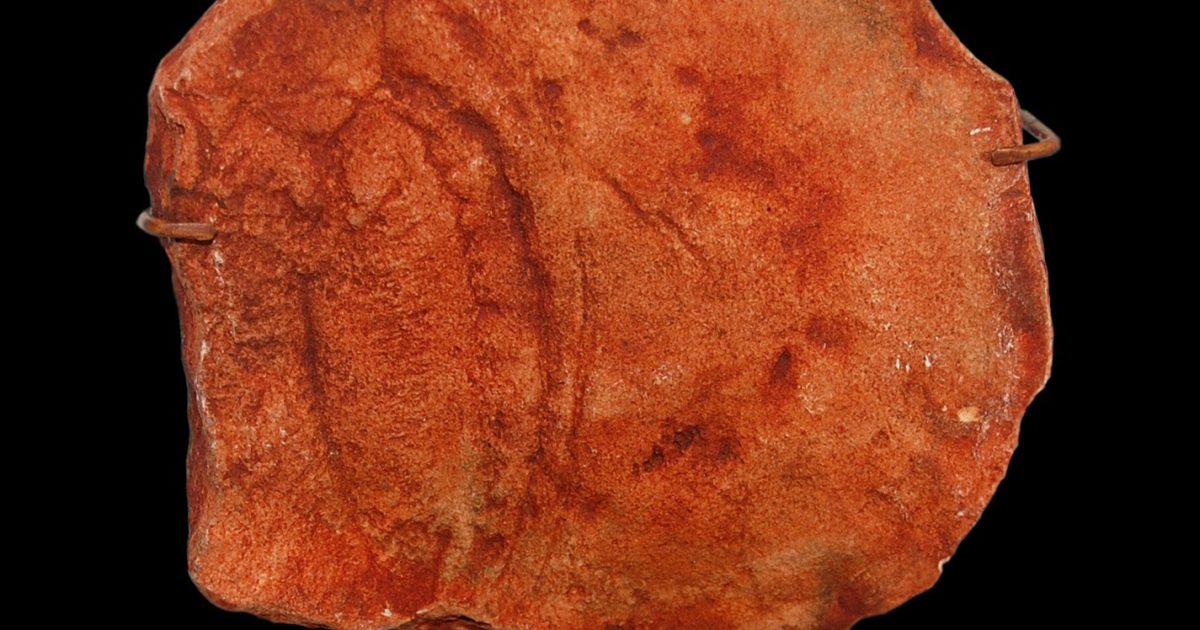
None of the Cambrian animal phyla is represented in the Ediacaran fossil record. Read More ›
Kimberella
Kimberella
Photo: Kimberella, by Ghedoghedo / CC BY-SA (https://creativecommons.org/licenses/by-sa/3.0).

Kimberella Is No Solution to the Cambrian Conundrum

The fossil record speaks clearly and cries out loud: the history of life on Earth is a history of saltations. Read More ›
Kimberella
Kimberella
Photo: Kimberella, by the paleobear from Lontananza, Loreto, Peru / CC BY (https://creativecommons.org/licenses/by/2.0).

Kimberella and Controversial Relationships — A Chronological Synopsis, Continued
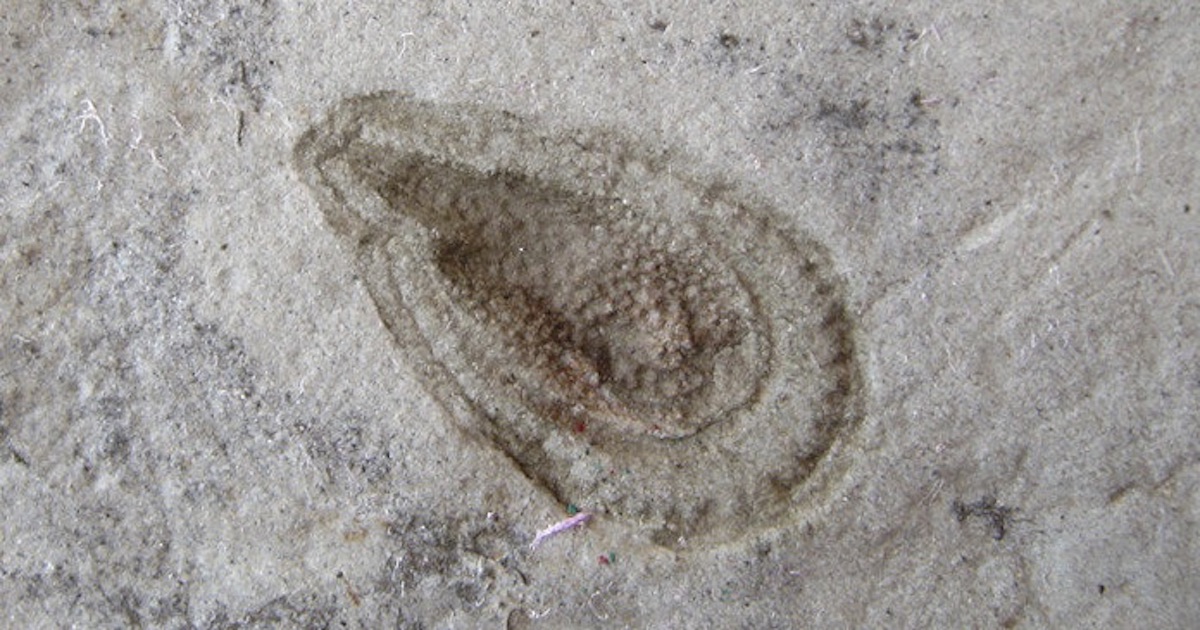
One researchers has preferred to classify Kimberella among the Ediacaran "fossil problematica.” Read More ›
Kimberella quadrata
Kimberella quadrata
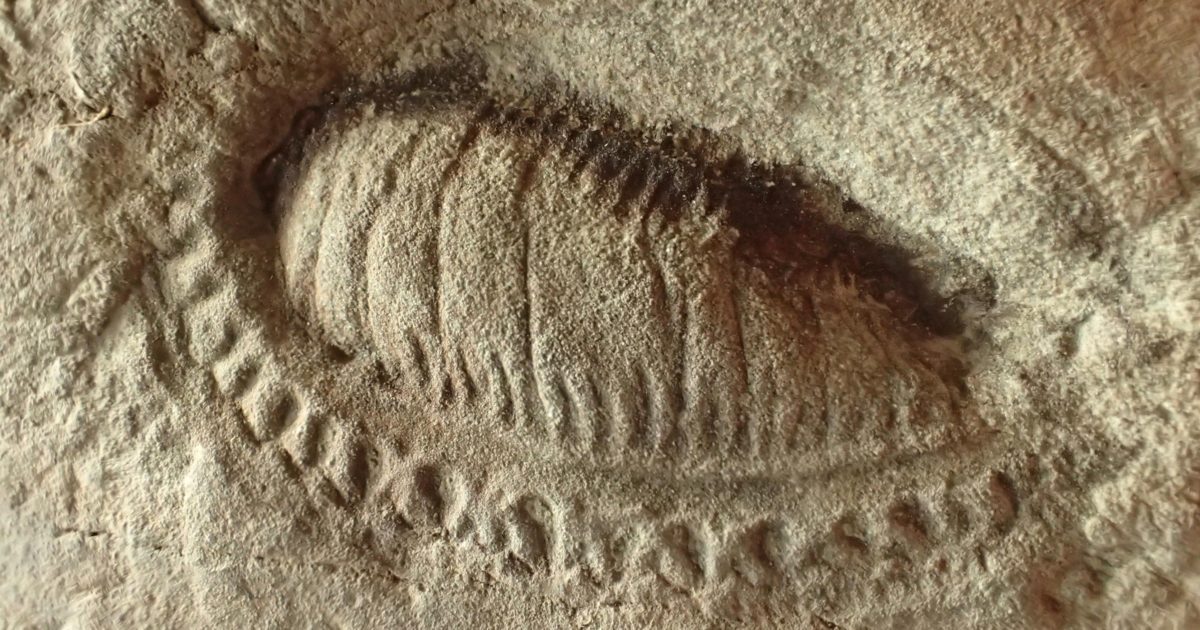
Photo: Dorsal mold of Kimberella quadrata from the Ediacaran of Russia,
showing the cuticular dorsal shield with tubercular nodes and the tapered oral end; by Aleksey Nagovitsyn: Wikimedia, GNU FDL).

Kimberella and Controversial Relationships — A Chronological Synopsis
It is remarkable, indeed, how detailed a medusoid morphology was projected onto Kimberella fossils and later recognized as pure fantasy. Read More ›
Kimberella quadrata
Kimberella quadrata
Image: Kimberella quadrata, by MUSE / CC BY-SA (https://creativecommons.org/licenses/by-sa/3.0).

Kimberella — The Oldest Radula (Not)

There is a strange fact that shows that any interpretation of these trace fossils has to be taken with a grain of salt. Read More ›
Kimberella
Kimberella
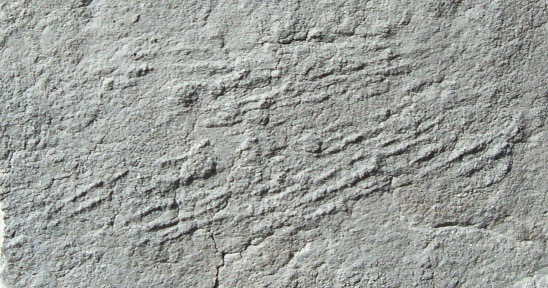
Photo: Traces from Kimberella, by Aleksey Nagovitsyn (User:Alnagov) / CC BY-SA (https://creativecommons.org/licenses/by-sa/3.0).

Kimberella — Locomotory Tracks

But what about tracks of the moving animal? There are indeed some fossils from the White Sea. Read More ›
Ventral death-mask of Kimberella quadrata
Kimberella quadrata, an Edicaran organism, by Masahiro miyasaka / CC BY-SA (https://creativecommons.org/licenses/by-sa/4.0).

Kimberella — Traces and a Trace-maker

The body fossils are generally positioned at the focal points of the fan-shaped scratch marks. Read More ›

© Discovery Institute