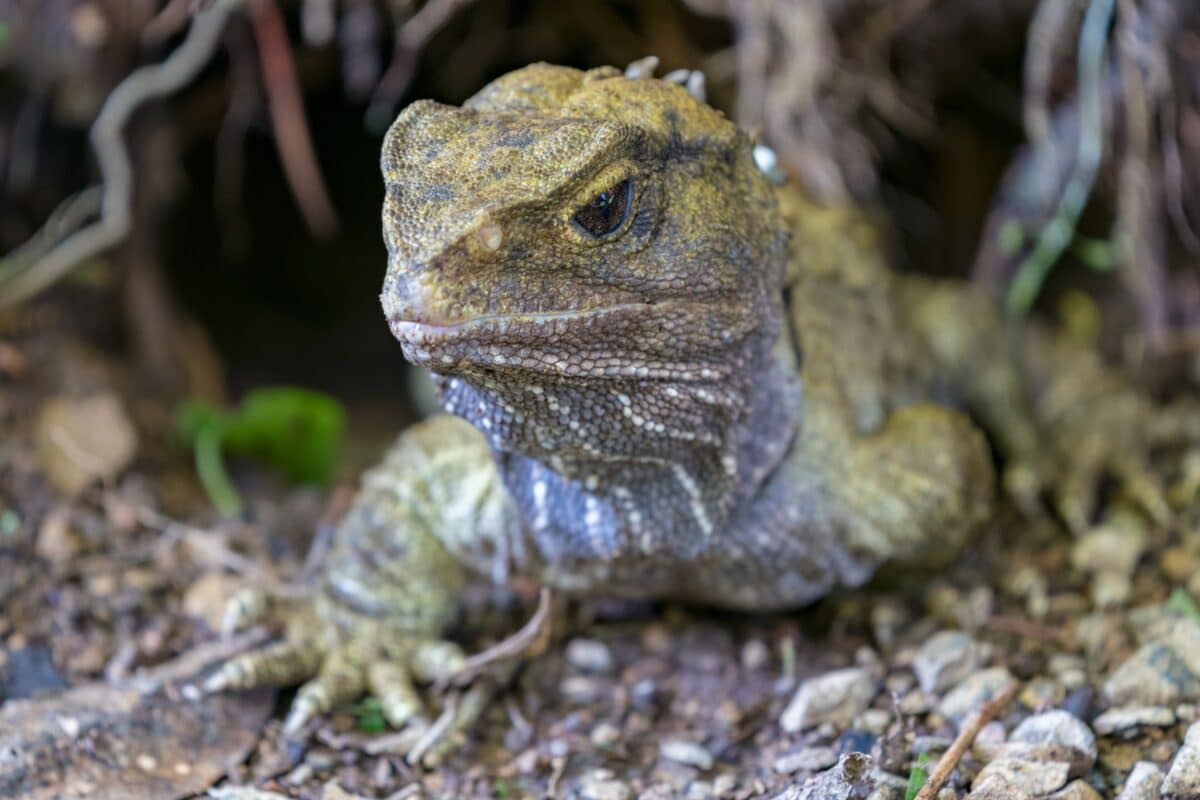
TuataraatZealandiaEcoSanctuary-1 Type post Author David Coppedge Date June 9, 2026 CategoriesEvolutionScientific Reasoning Tagged , algorithm, Ariel Chipman, Artificial Selection, balancing selection, BioEssays, Cambrian Explosion, co-option, conservation, Darwin Devolves, Dyna Rochmyaningsih, evolution, Galápagos Islands, gene duplication, genetic drift, genetic mutations, Hugo de Vries, hybridization, introgression, John Sanford, John Templeton Foundation, magic, Matti Leisola, Michael Behe, mount improbable, Mutant Ninja Turtles, natural selection, negative selection, Owen D. Jones, personification, Phillip E. Johnson, polyploidy, process, programming, pterosaur, purifying selection, Richard Lewontin, Robert Hazen, Spiderman, stabilizing selection, Stuff Happens Law, subfunctionalization, survival of the fittest, The Design Inference, Tom Bethell, tuatara, William Dembski, Winston Ewert Evolutionists Need a Refresher Course in Natural Selection David Coppedge June 9, 2026 Evolution, Scientific Reasoning 12 Abuses of the concept of natural selection abound not only in science news but in scientific papers in major journals as well. It’s time for a remedial course. Read More ›
GinkgoLeaves Type post Author Emily Reeves Date March 10, 2026 CategoriesBiologyEvolutionLife Sciences Tagged , animal embryos, Cambrian fossils, coelacanth, common ancestor, common ancestry, common characters, common descent, convergent evolution, Darwin's Finches, embryonic stage, environmental pressures, Ernst Haeckel, evolutionary predictions, Galápagos finches, geological time, ginkgo trees, horseshoe crabs, hummingbirds, Linnaeus, living fossils, Max Telford, molecular clock, morphology, Nautilus, nightjars, penguins, South Africa, stasis, swallows, swifts, The Tree of Life, The Tree of Life (book), Tree of Life, tuatara, University College London, Wollemi pine In Stories from Max Telford’s New Book, Failed Predictions of Common Descent Emily Reeves March 10, 2026 Biology, Evolution, Life Sciences 9 Well-documented examples of organisms show remarkable stasis over hundreds of millions of years. Read More ›