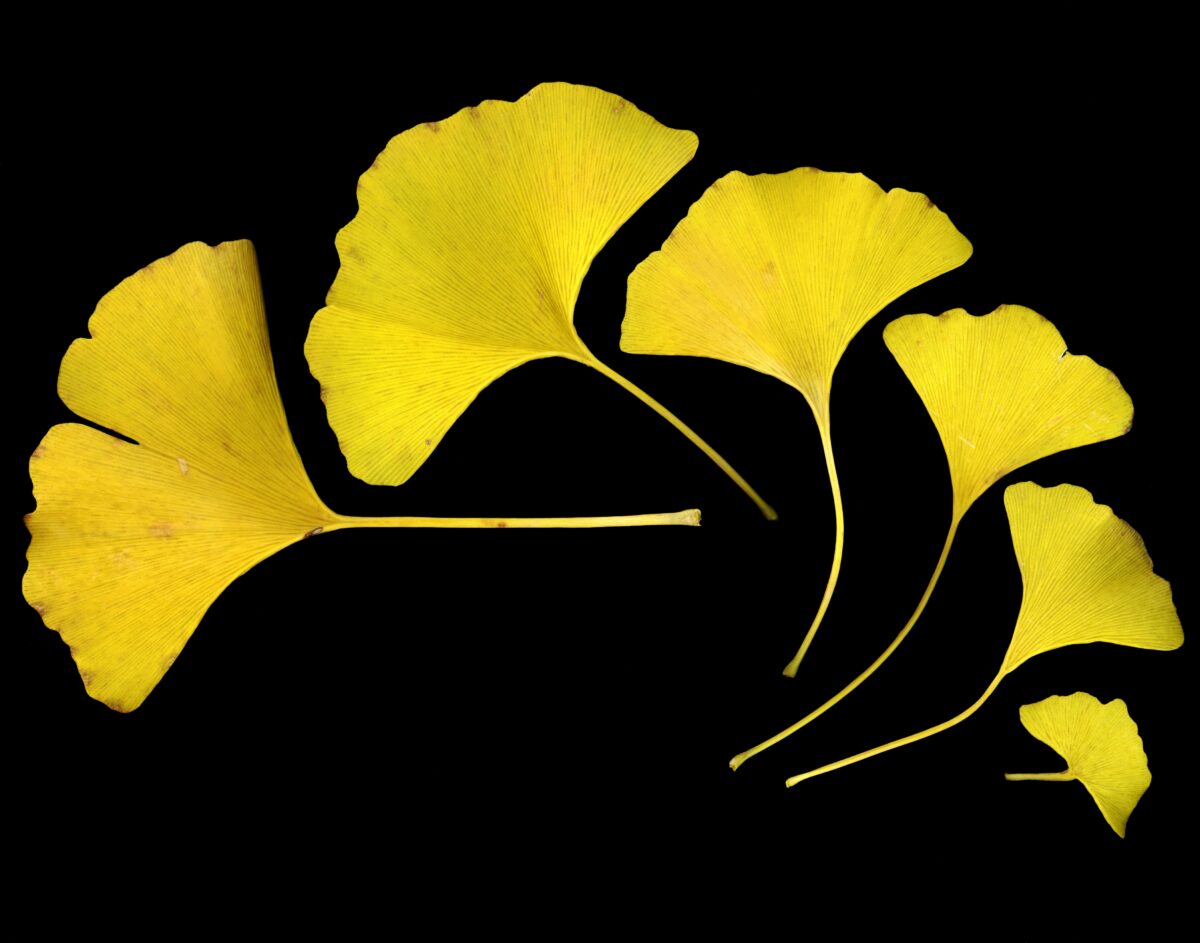
GinkgoLeaves Type post Author Emily Reeves Date March 10, 2026 CategoriesBiologyEvolutionLife Sciences Tagged , animal embryos, Cambrian fossils, coelacanth, common ancestor, common ancestry, common characters, common descent, convergent evolution, Darwin's Finches, embryonic stage, environmental pressures, Ernst Haeckel, evolutionary predictions, Galápagos finches, geological time, ginkgo trees, horseshoe crabs, hummingbirds, Linnaeus, living fossils, Max Telford, molecular clock, morphology, Nautilus, nightjars, penguins, South Africa, stasis, swallows, swifts, The Tree of Life, The Tree of Life (book), Tree of Life, tuatara, University College London, Wollemi pine In Stories from Max Telford’s New Book, Failed Predictions of Common Descent Emily Reeves March 10, 2026 Biology, Evolution, Life Sciences 9 Well-documented examples of organisms show remarkable stasis over hundreds of millions of years. Read More ›
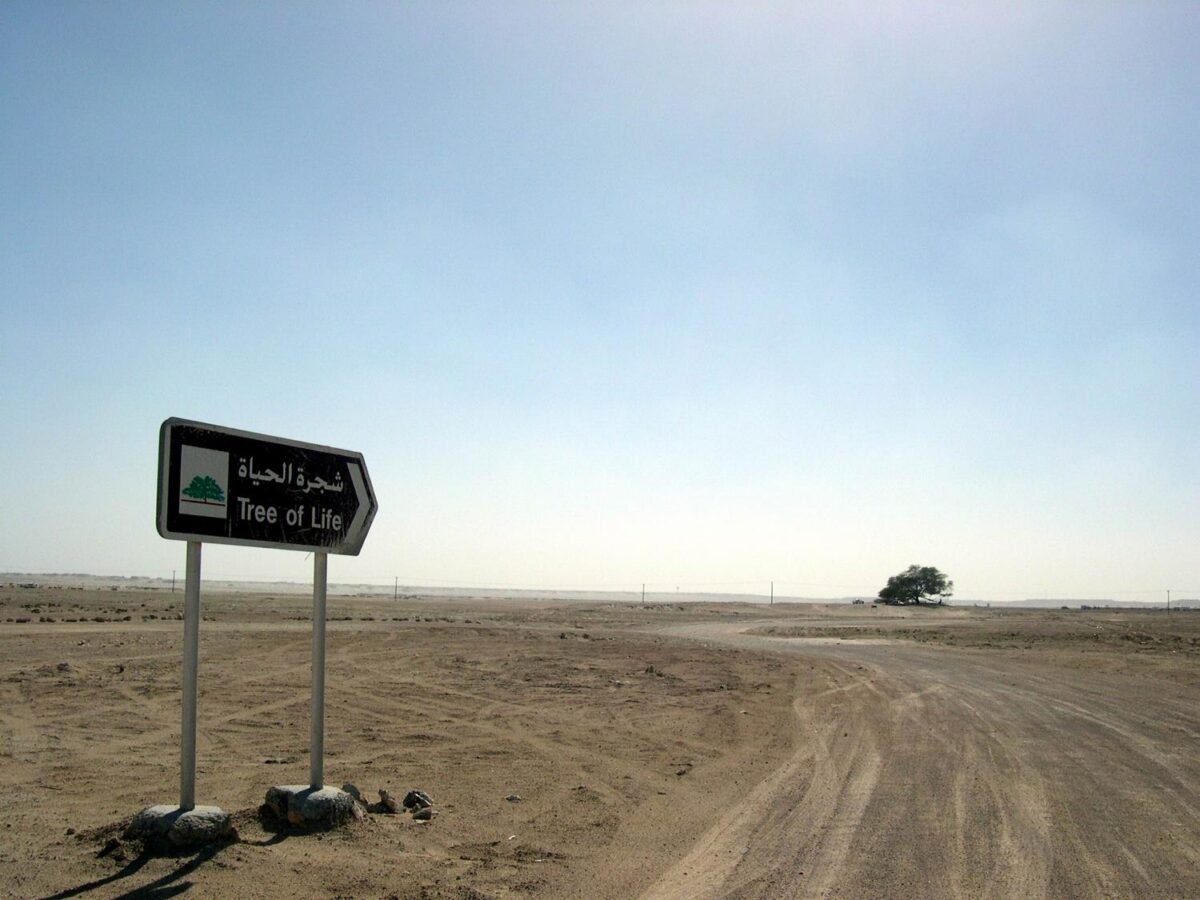
TreeofLifeinBahrain Type post Author Emily Reeves Date March 9, 2026 CategoriesEvolutionGeneticsIntelligent Design Tagged , amino acid, Barbie, beauty, Carl Linnaeus, Carol Kaesuk Yoon, classification, coelacanth, CRISPR, Dogs, evolutionary biology, genealogical ancestry, genes, genetics, goldfish, kangaroos, koalas, marsupial, Matchbox cars, Max Telford, nucleotides, phylogenetics, quolls, Tasmanian wolf, taxonomy, The Tree of Life (book), thylacine, Tim Ingold, Tindell Hopwood, trading cards, University College London On Tree of Life, Max Telford Misses the Design Possibility Emily Reeves March 9, 2026 Evolution, Genetics, Intelligent Design 9 I’ll be reviewing the book topically, beginning with the beauty and importance of classification and ending with the implications of belief in the tree of life. Read More ›