







































Science and Culture Today Discovering Design in Nature
Topic

programming

ViolinNikolai
Photo credit: Xenia Baknina, CC BY-SA 4.0 <https://creativecommons.org/licenses/by-sa/4.0>, via Wikimedia Commons.

Biology, Like Technology, Requires “Something More”
Even when formed to perfection, a violin will not “hale souls out of men’s bodies” unless a master musician draws the bow across the strings. Read More ›
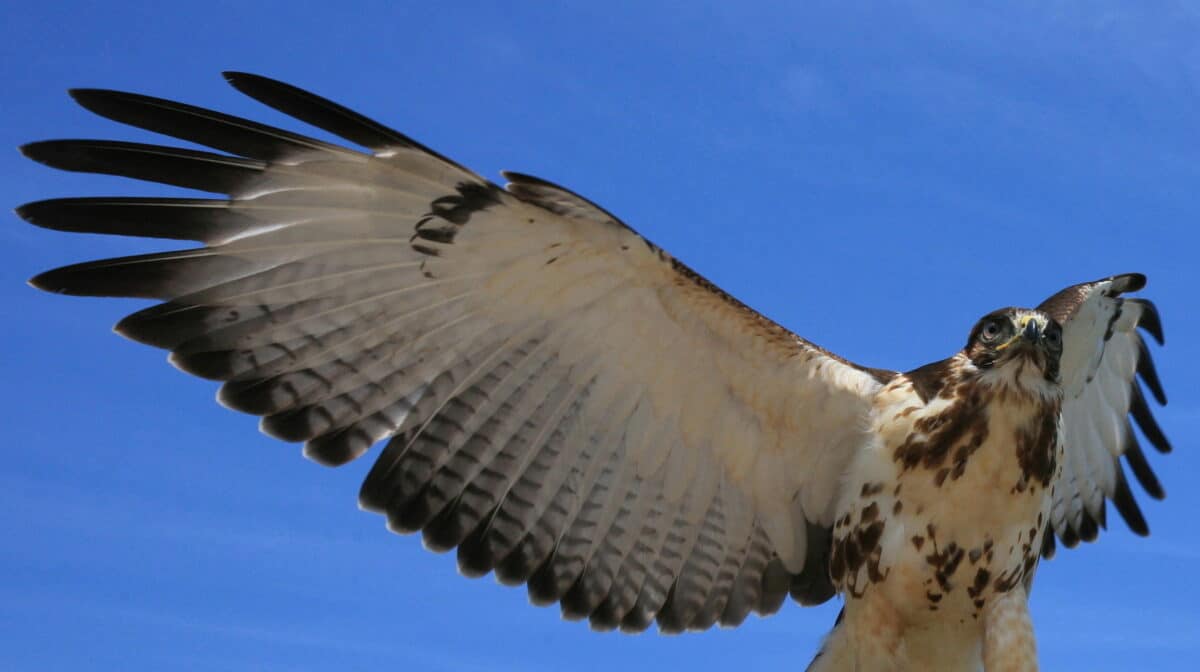
Captive_Red-tailed_Hawk_at_Bacara
Photo credit: Steve Jurvetson, CC BY 2.0 <https://creativecommons.org/licenses/by/2.0>, via Wikimedia Commons.

Developmental Biology of Vertebrate Skeletons Shows Similarities are Better Explained by Design

Evolutionists assume that the traits they classify as homologous share similarities due to their having evolved from a common ancestor. Read More ›
leaf senescence
Photo: Leaf senescence, via Wikimedia Commons.

The Superior Programming that Makes Plants Look Smart
Two signaling molecules — strigolactone and ethylene — can work independently to begin the process of leaf senescence. Read More ›
Miller West
Photo source: Discovery Institute, via YouTube.

Brian Miller: Engineering in Biology, and THE Engineer
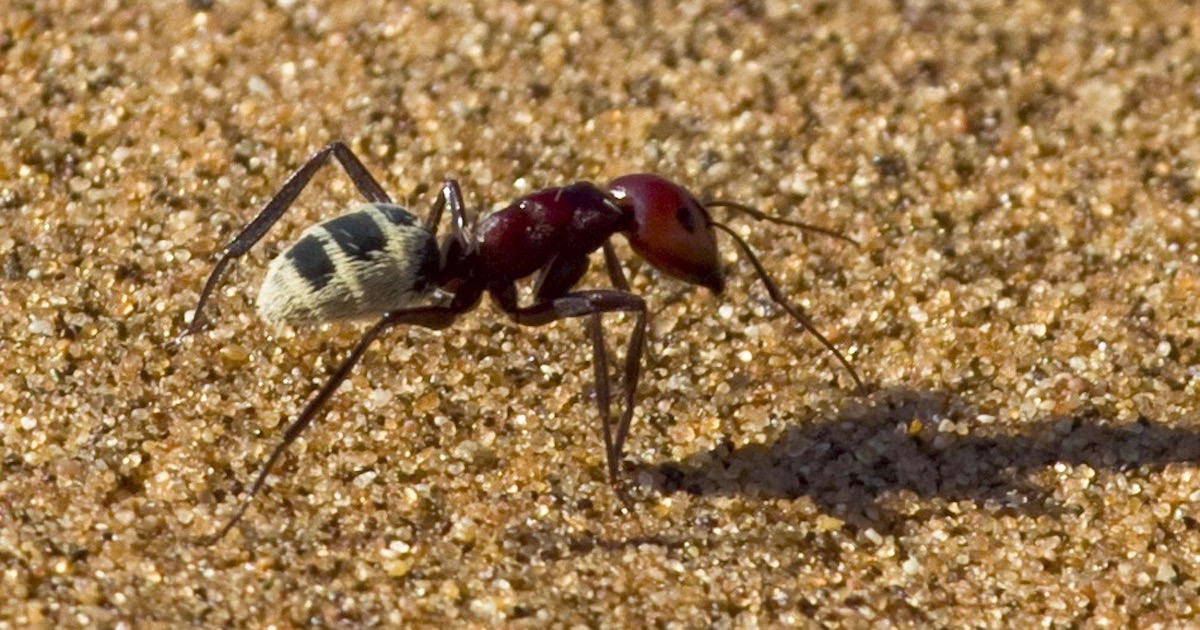
If living systems were deliberately engineered, how good an engineer was the one behind those living systems? Read More ›
desert ant
Photo credit: Muséum de Toulouse, CC BY-SA 4.0 <https://creativecommons.org/licenses/by-sa/4.0>, via Wikimedia Commons.

Animal Algorithms: Desert Ants and Honey Bees

Eric Cassell argues that these innate skills point to algorithms programmed into the ant’s brain and genome. Read More ›
poker
Photo credit: Marin Tulard, via Unsplash.

What Is Intelligent Design and How Should We Defend It?
Intelligent design is a scientific theory that holds that many features of the universe and living things are best explained by an intelligent cause. Read More ›
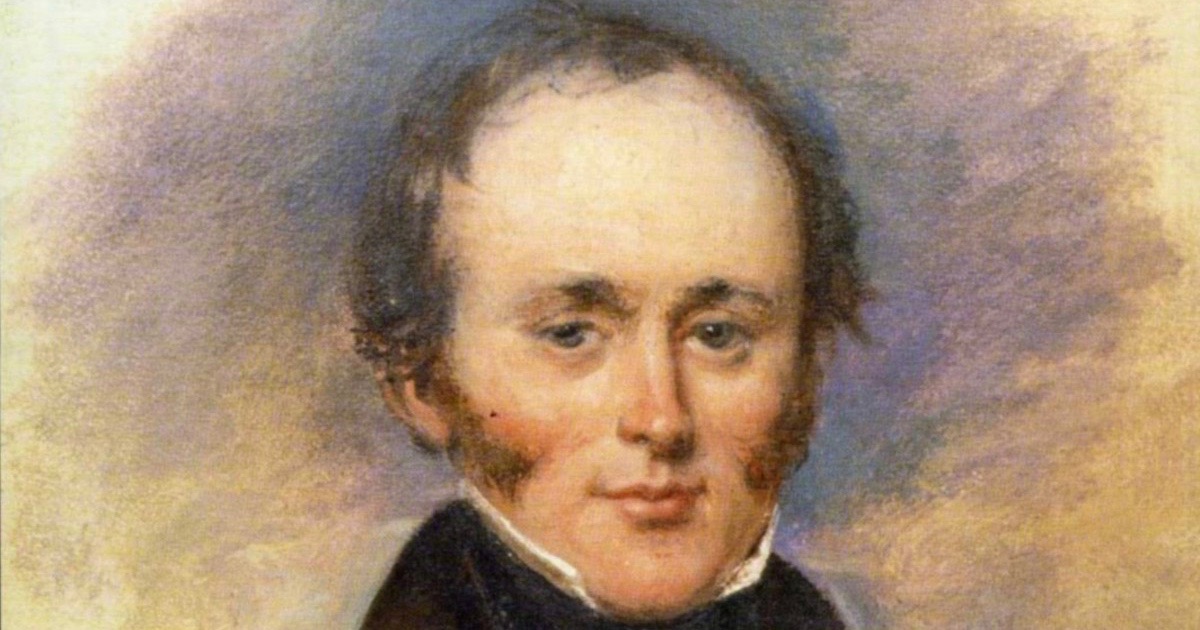
Lyell_1840
Image: Charles Lyell in 1840, by Alexander Craig, Public domain, via Wikimedia Commons.

Meyer vs. Croft: Vying for the Lyellian Mantle

Stephen Meyer has aligned himself in spirit with the geologist Charles Lyell, who explained geological features “by reference to causes now in operation." Read More ›
Douglas Axe 2

New Science Uprising Episode: “Programming Without a Programmer”?
To evolve a protein, Douglas Axe draws a comparison to seeking out — blindfolded! — a particular atom secreted away somewhere in the Milky Way. Read More ›
Falcon_eye

Modern Software and Biological Organisms: Object-Oriented Design

Let’s consider the eye, which is but one of many subsystems (along with the brain, heart, liver, lungs, etc.) in higher animals that coordinate their tasks to keep an organism alive. Read More ›
sad robot

Rights Are Not about “Feelings”

Thomas Hills argues that we will accord human-style rights to robots because we will come to empathize with them. Read More ›

© Discovery Institute