Science and Culture Today Discovering Design in Nature
Topic

protists

spider
Photo credit: Victor Grabarczyk, via Unsplash.

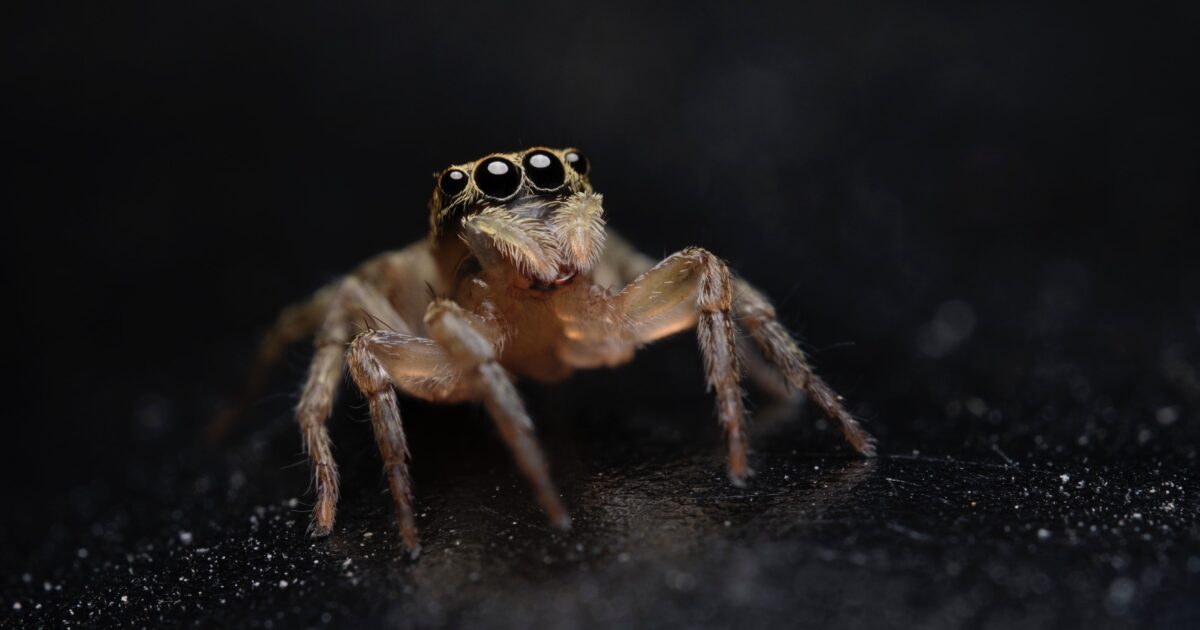
Dreaming Spiders? My Disagreement with Michael Egnor

Rapid eye movement may indicate neural activity, but dreaming for me implies a conscious awareness of the dream state, which I consider as unlikely in spiders. Read More ›
shower
Photo credit: ID 955169, via Pixabay.

Frontiers of ID: Microscopic Ecologies
Public health lecturer James Hamblin at Yale decided to go without showers — for five years! Read More ›
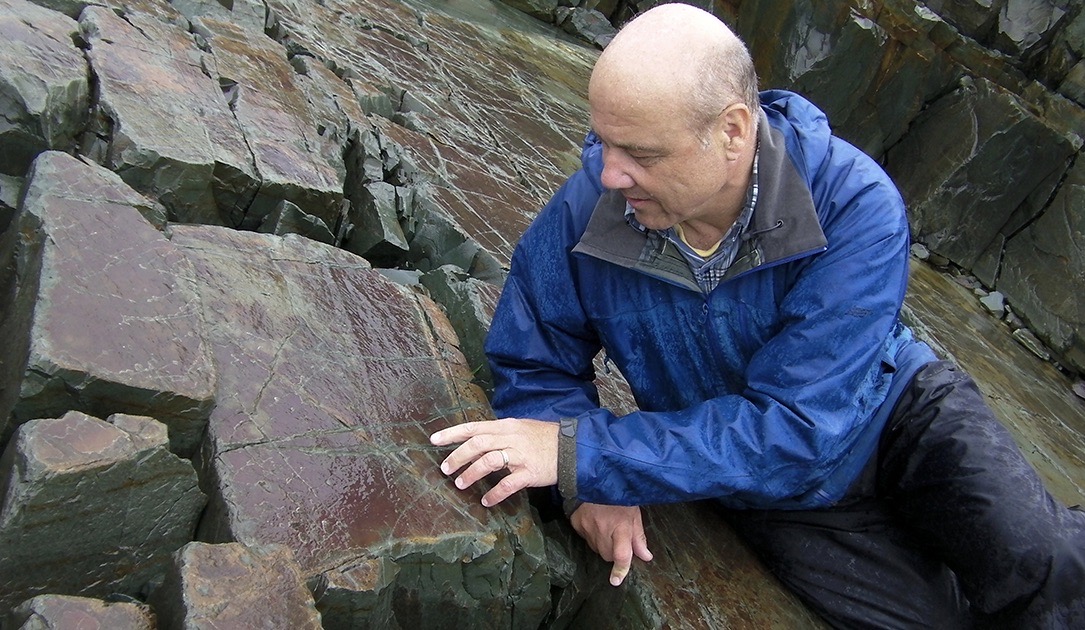
Paleontologist examines Ediacaran fossils
Photo: Paleontologist examines Ediacaran fossils, Mistaken Point Ecological Reserve, by EOL Learning and Education Group / CC BY (https://creativecommons.org/licenses/by/2.0).

Namacalathus, Alleged Ediacaran “Animal,” Fails to Refute Abrupt Cambrian Explosion
It could be anything, from a coelenterate-grade or sponge-grade organism to even a protist or an alga. Read More ›
A_Guantanamo_sponge_-a

The Myth of Precambrian Sponges

Evolutionists would expect to find sponges as the earliest animals in the fossil record. Read More ›
Bechly
Photo: Günter Bechly, speaking in Jerusalem last year, by Daniel Reeves.

Günter Bechly: Still More Evidence Against Darwinian Gradualism
Is there a paradigm change coming in evolutionary studies? Nothing fits the data better than intelligent design. Read More ›
Dickinsonia costata
junk science
Photo at top: Dickinsonia costata from the Ediacaran of Australia, by Verisimilus at English Wikipedia [GFDL, CC-BY-SA-3.0 or CC BY 2.5 ], from Wikimedia Commons.

#6 of Our Top Stories of 2018: Dickinsonia Probably Not an Ediacaran Animal

So, do high levels of cholesterol biomarkers really suggest an animal affinity of Dickinsonia? Read More ›
Dickinsonia costata
junk science
Photo at top: Dickinsonia costata from the Ediacaran of Australia, by Verisimilus at English Wikipedia [GFDL, CC-BY-SA-3.0 or CC BY 2.5 ], from Wikimedia Commons.

Why Dickinsonia Was Most Probably Not an Ediacaran Animal

So, do high levels of cholesterol biomarkers really suggest an animal affinity of Dickinsonia? Read More ›

© Discovery Institute