Science and Culture Today Discovering Design in Nature
Topic

mammals

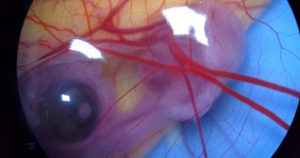
chicken embryo
embryonic development
Photo: Chicken embryo, by Ben Skála (Own work) [GFDL or CC BY 3.0], via Wikimedia Commons.

Peer-Reviewed Paper Shows Vertebrate Embryonic Variation Contradicts Common Ancestry
Evolutionary biologists often argue that vertebrate embryos develop in highly similar manners, reflecting their common ancestry. Read More ›
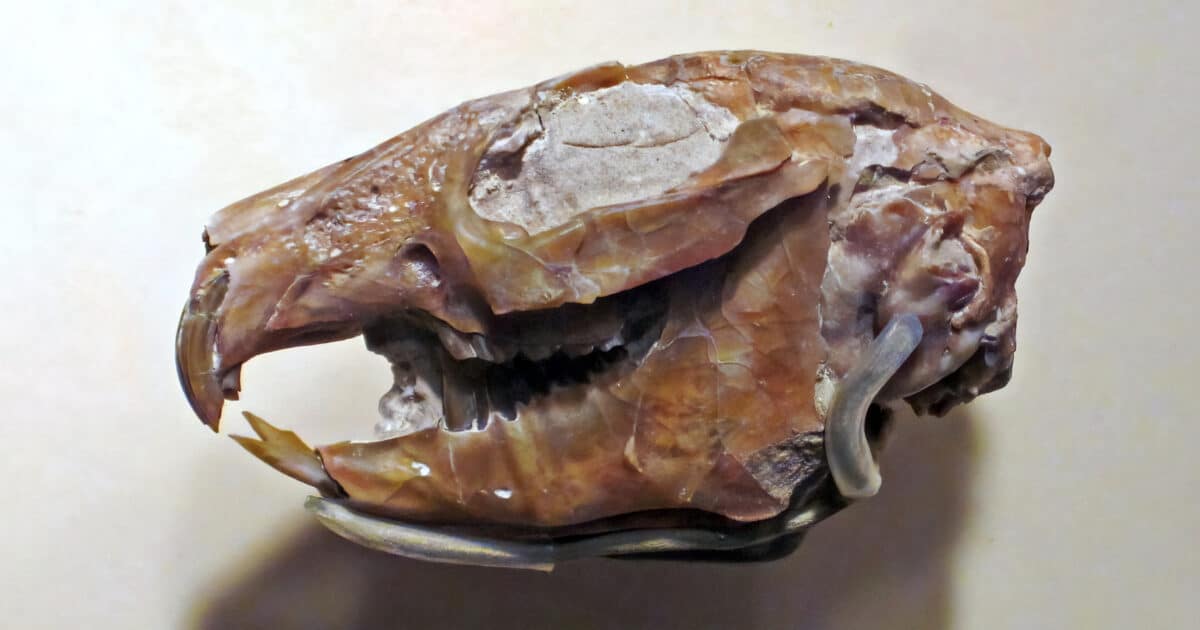
Glires
Photo: Palaeolagus haydeni, James St. John, Wikimedia, CC BY 2.0.

Fossil Friday: The Abrupt Origins of Lagomorphs and Rodents

Molecular biologist Dan Graur mentioned his weird idea that guinea pigs are not rodents at a lecture at my university in Tübingen when I was still a student. Read More ›
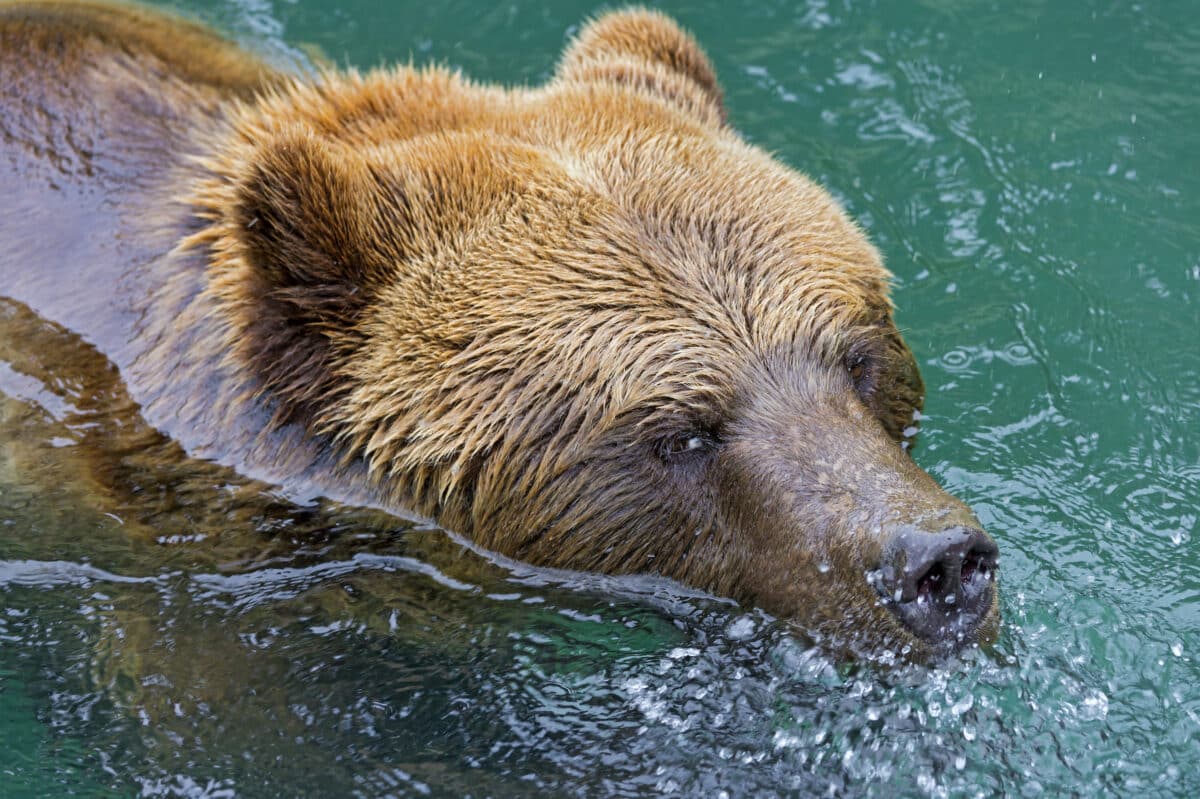
beaver
Photo: A beaver, depicted on the Canadian Parliament Building, by D. Gordon E. Robertson, CC BY-SA 3.0 <https://creativecommons.org/licenses/by-sa/3.0>, via Wikimedia Commons.

Beyond Evolutionary Fitness, Mammals Are Ecosystem Engineers
When animals give back more than they take, does that fit the model of selfishness that Darwinism promotes? Read More ›
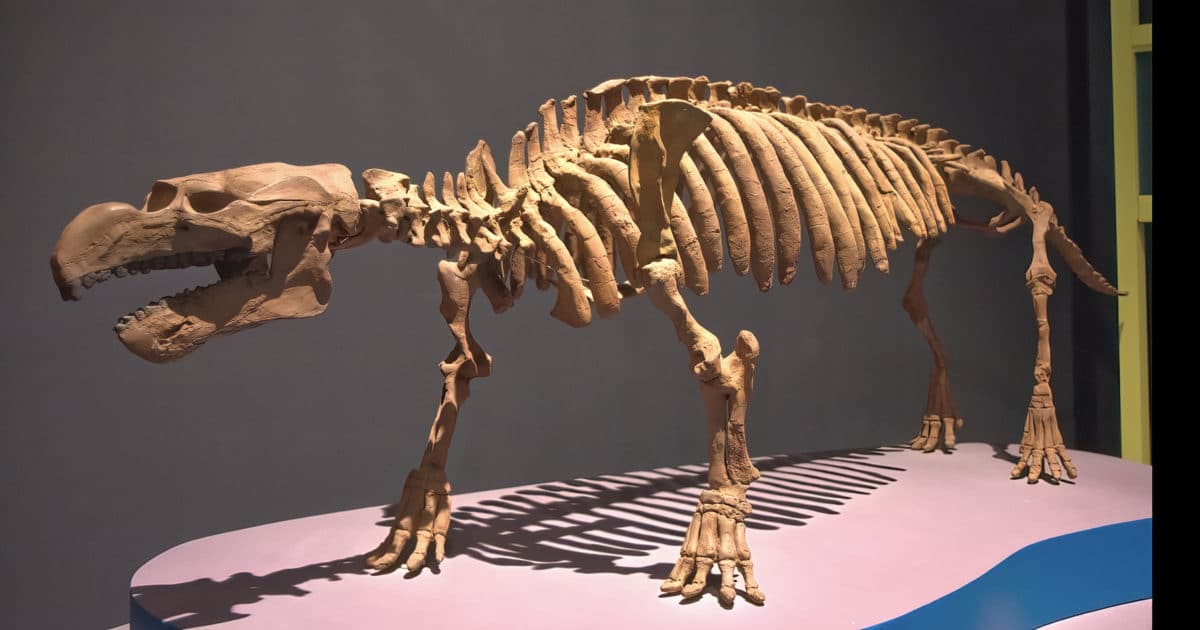
Sirenia
Photo: Pezosiren, Thesupermat via Wikimedia, CC BY-SA 3.0.

Fossil Friday: Sea Cows and the Abrupt Origin of Sirenia and Desmostylia
So, is every thing OK with Darwinism after all? No so fast. Actually, there are some problems that do not square well with a Darwinian scenario. Read More ›
zebrafish
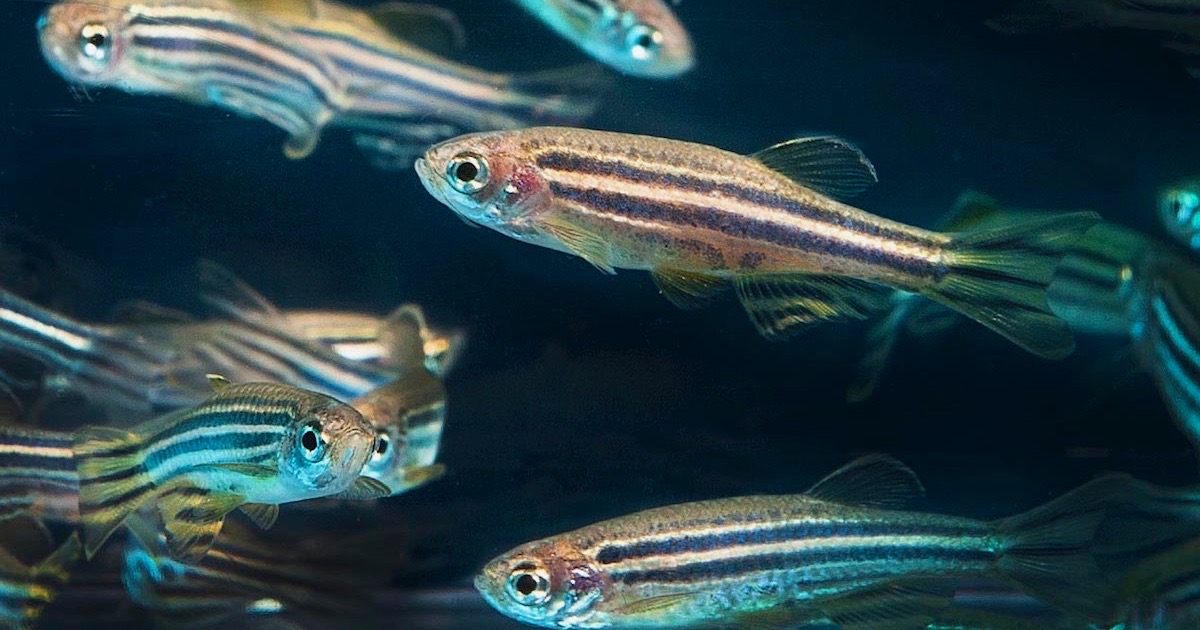
Photo: Zebrafish, by Oregon State University, CC BY-SA 2.0 <https://creativecommons.org/licenses/by-sa/2.0>, via Wikimedia Commons.

Intelligent Design in Animal Self-Location and Navigation

A question is whether such mechanisms exist in more ancient brain regions of other animals. A new study has identified a self-location mechanism in zebrafish. Read More ›
T-Rex
Photo credit: J.M. Luijt, CC BY-SA 2.5 NL <https://creativecommons.org/licenses/by-sa/2.5/nl/deed.en>, via Wikimedia Commons.

New Claim: Tyrannosaur Was as Smart as a Monkey

One researcher argues that, based on bird studies, the huge predators may have had many more brain cells than we have supposed. Read More ›
elephant
Photo credit: Coralie Mercier, via Flickr (cropped).

More Evolution by Devolution: Mammalian Hairlessness

The mechanism of Darwinian evolution absolutely works — by breaking genes, when that provides a selective advantage, or turning them off. Read More ›
Macroscelidea
Photo: <I>Namasengi mockeae</I>, mandible, Eocene, Namibia, from fig. 11 in Senut & Pickford 2021, fair use.

Fossil Friday: Fossil Elephant Shrews and the Abrupt Origin of Macroscelidea

Elephant shrews are sometimes considered to be living fossils, and their origin is believed to go back 57.5 million years in the Paleocene. Read More ›
Aardvarks
Photo: Amphiorycteropus gaudryi, Miocene Greece, modified after Koufos 2022 fig. 3, fair use.

Fossil Friday: Miocene Aardvarks and the Abrupt Origin of Tubulidentata

So much about the congruence of anatomical and genetic similarity predicted by Darwin’s theory. Read More ›
Purgatorius
Photo: High resolution CT scans of fossilized teeth and jaw bones of Purgatorius mckeeveri material from UCMP, Gregory Wilson Mantilla / Stephen Chester, fair use.

Fossil Friday: Purgatorius and the Abrupt Origin of Primates

Primates not only appeared suddenly, but their different subgroups of lemurs, tarsier, and simians all appeared at about the same time. Read More ›

© Discovery Institute