Science and Culture Today Discovering Design in Nature
Topic

mammals

Marlies_van_Baalen_with_Kigali
Photo: Dressage, by Fotoimage, Public domain, via Wikimedia Commons.

Do Centaurs Really Exist? The Surprising Truth
Well, a half human/half horse cannot literally exist — but the way horses and humans work together has been called a “miracle.” Read More ›
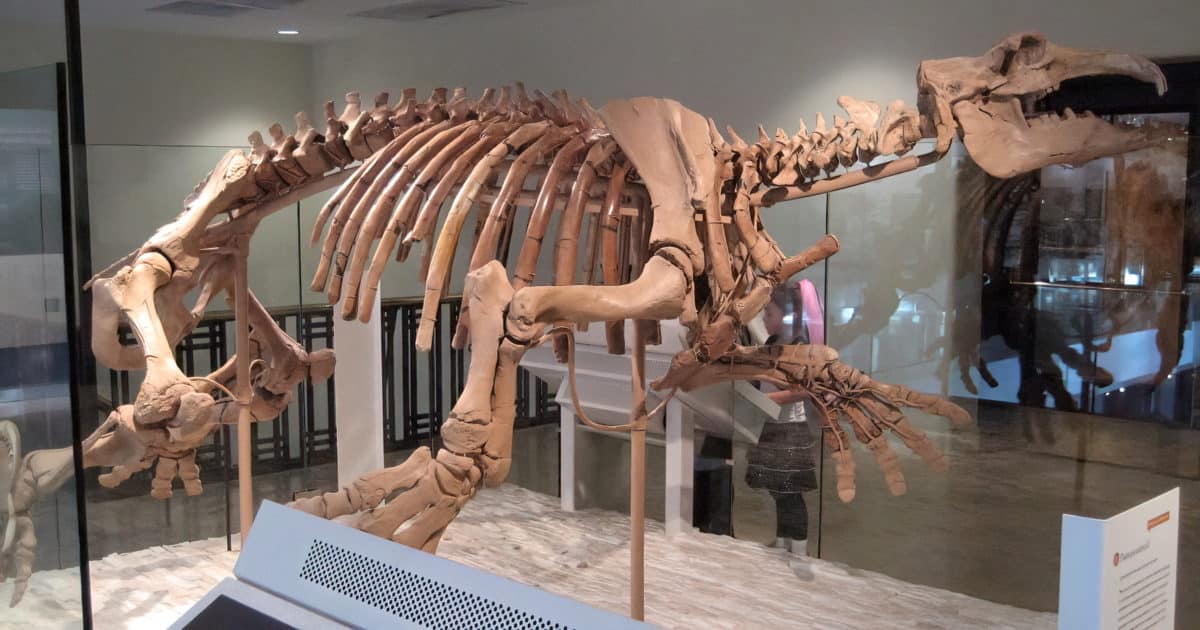
Desmostylia
Photo: Neoparadoxia cecilialina, Darwin’s Bulldog at Wikimedia, CC0 1.0 Public Domain.

Fossil Friday: Desmostylia, and the Problem of Horizontal Tooth Displacement

Nature appears to be deceptive. Are Darwinists bothered by such problems? Not at all. Read More ›
Eurotamandua
Photo: <I>Eurotamandua joresi</I> holotype, by Günter Bechly 2009.

Fossil Friday: Eurotamandua — Anteater or Not Even Close?
Darwinists have to appeal to the ad hoc hypothesis of convergent adaptation to similar lifestyles, which of course increases their problem. Read More ›
spider
Photo credit: Victor Grabarczyk, via Unsplash.

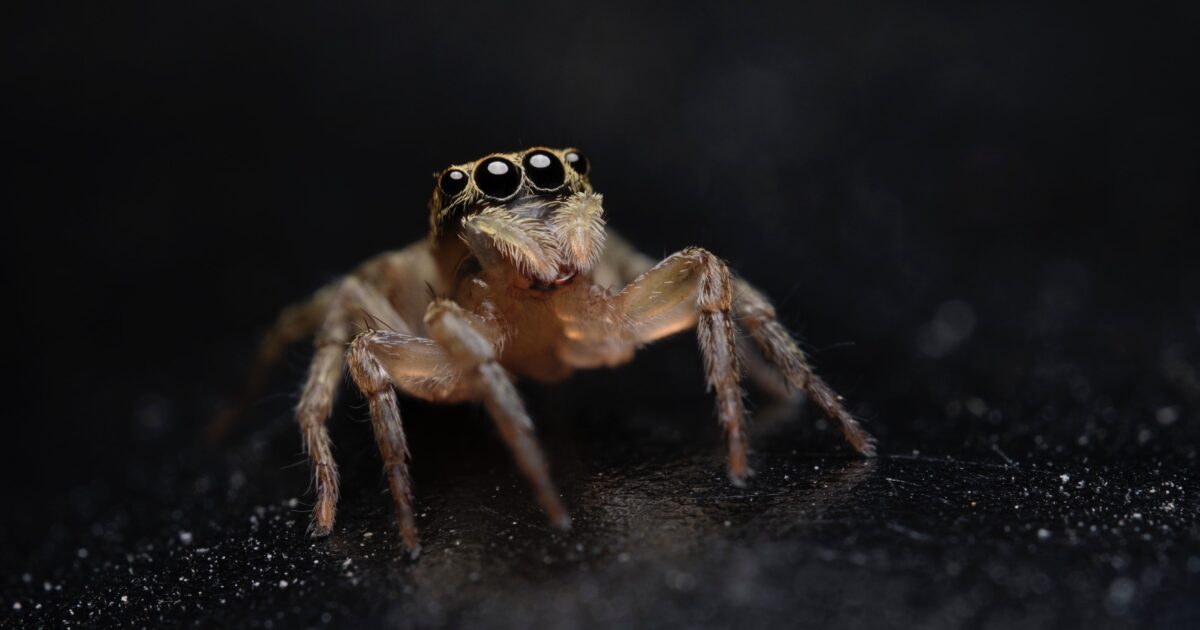
Dreaming Spiders? My Disagreement with Michael Egnor

Rapid eye movement may indicate neural activity, but dreaming for me implies a conscious awareness of the dream state, which I consider as unlikely in spiders. Read More ›
common octopus
Photo credit: Martijn Klijnstra, CC BY-SA 4.0 <https://creativecommons.org/licenses/by-sa/4.0>, via Wikimedia Commons.

How Octopuses Got So Smart? “Junk DNA”

Jumping genes used to be dismissed as junk DNA which in turn was held to be slam-dunk evidence for unguided evolutionary processes. Read More ›
Croc's smile
Photo: Susisuchus anatoceps, by Günter Bechly.

Fossil Friday: A Croc Smile from the Cretaceous

Ubiquitous discontinuities contradict the gradualist predictions of Darwin’s theory and thus should count as empirical falsifications of that theory. Read More ›
octopus
Photo credit: Pseudopanax at English Wikipedia [Public domain], from Wikimedia Commons.

If Octopuses Are So Smart, Should We Eat Them?

We have tended to assume that intelligence rose with the development of a spinal cord and brain (vertebrates), and warmbloodedness (mammals and birds). Read More ›
squirrel
Photo credit: Caleb Martin via Unsplash.

Check Their Privilege: Are Squirrels Socially Unjust?

Researchers have long assumed that people think like animals. But now we see that the equation reads the same in reverse: animals think like people. Read More ›
leafcutter ants
Photo: Leafcutter ants, by Pjt56, CC BY-SA 4.0 <https://creativecommons.org/licenses/by-sa/4.0>, via Wikimedia Commons.

Yes, Ants Think — Like Computers

Computer programmers have adapted some ant problem-solving methods to software programs (but without the need for complex chemical scents). Read More ›
octopus
Photo credit: Pseudopanax at English Wikipedia [Public domain], from Wikimedia Commons.

Can Largely Rearranged Genomes Explain Why Octopuses Are So Smart?

Even compared to each other, the genomes of three cephalopods studied had been broken up and extensively reorganized. Read More ›

© Discovery Institute