






































Science and Culture Today Discovering Design in Nature
Topic

humans

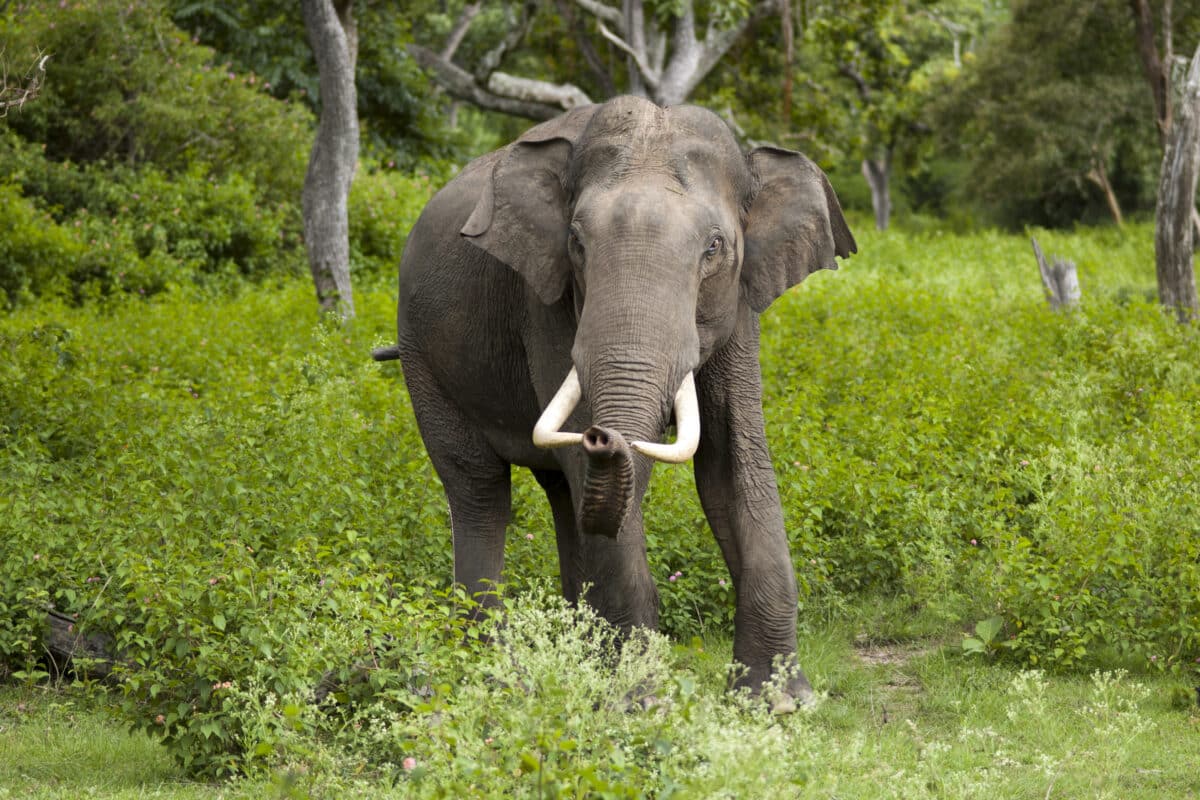
ElephasmaximusBandipur
Photo: Asian elephant, by Yathin S Krishnappa, CC BY-SA 3.0 <https://creativecommons.org/licenses/by-sa/3.0>, via Wikimedia Commons.

Günter Bechly and the “Species Pair” Problem

Asian elephants (like the one at the top of this page) and their African counterparts apparently diverged about 8 million years ago. Read More ›
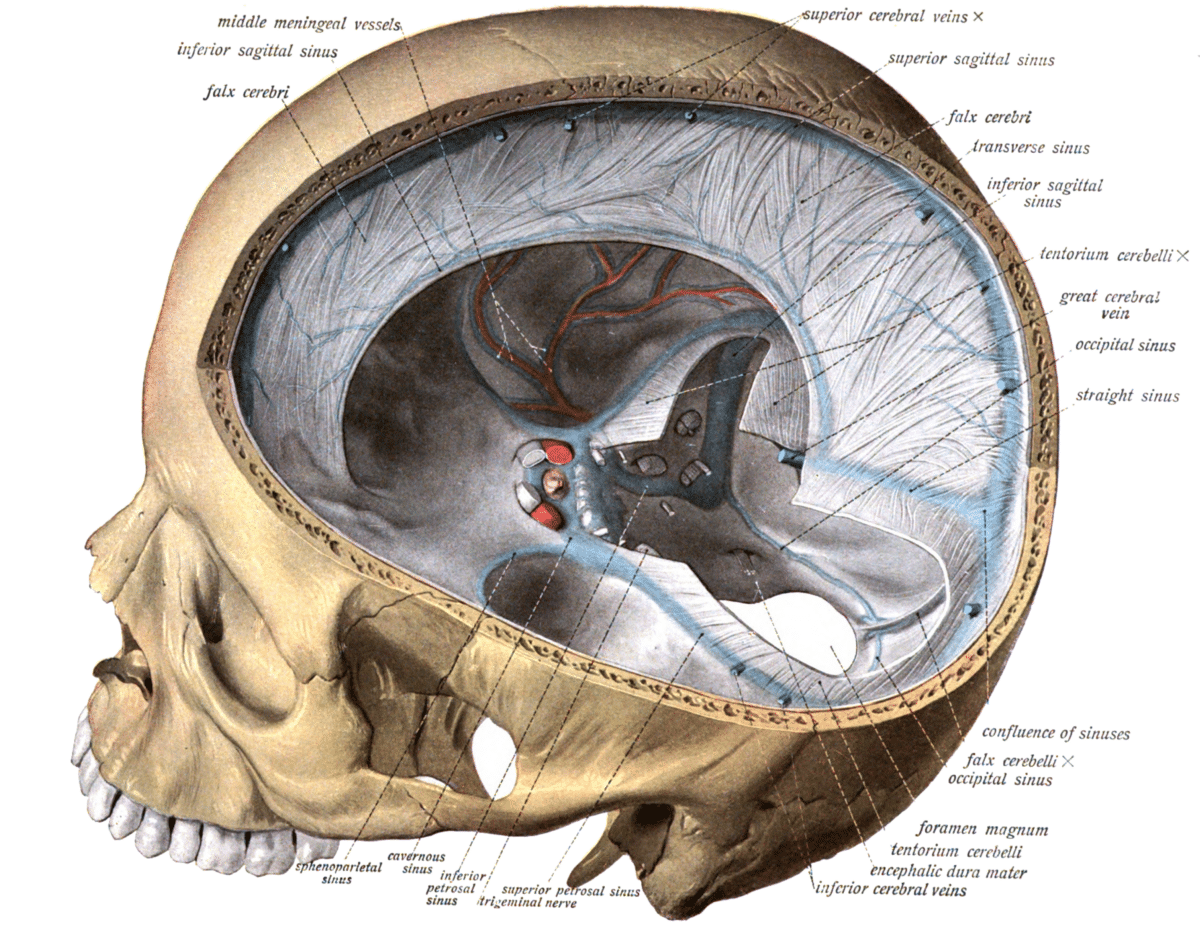
Sobo1909589
Image credit: Dr. Johannes Sobotta, Public domain, via Wikimedia Commons.

Ben Carson, John West: Human Equality in a Neurosurgeon’s View

You could draw a comparison to looking under the hood of your car, versus looking under the hood of mine. Read More ›
GrandCanyonArizonaUSALuftaufnahme--2012--5942
Photo: Grand Canyon, by Dietmar Rabich / Wikimedia Commons / “Grand Canyon (Arizona, USA), Luftaufnahme -- 2012 -- 5942” / CC BY-SA 4.0For print products: Dietmar Rabich / https://commons.wikimedia.org/wiki/File:Grand_Canyon_(Arizona,_USA),_Luftaufnahme_--_2012_--_5942.jpg / https://creativecommons.org/licenses/by-sa/4.0/.

In Fifty Years, How the Discussion About Science and Faith Has Changed

Decades ago, as I can recall from personal experience, there seemed to be only two choices. Read More ›
group-of-neanderthal-cavemen-hunting-a-mammoth-stone-age-hum-628718036-stockpack-adobestock
group of neanderthal cavemen hunting a mammoth, stone age humans
Image Credit: Alan - Adobe Stock

Let’s Catch Up with the Neanderthals!
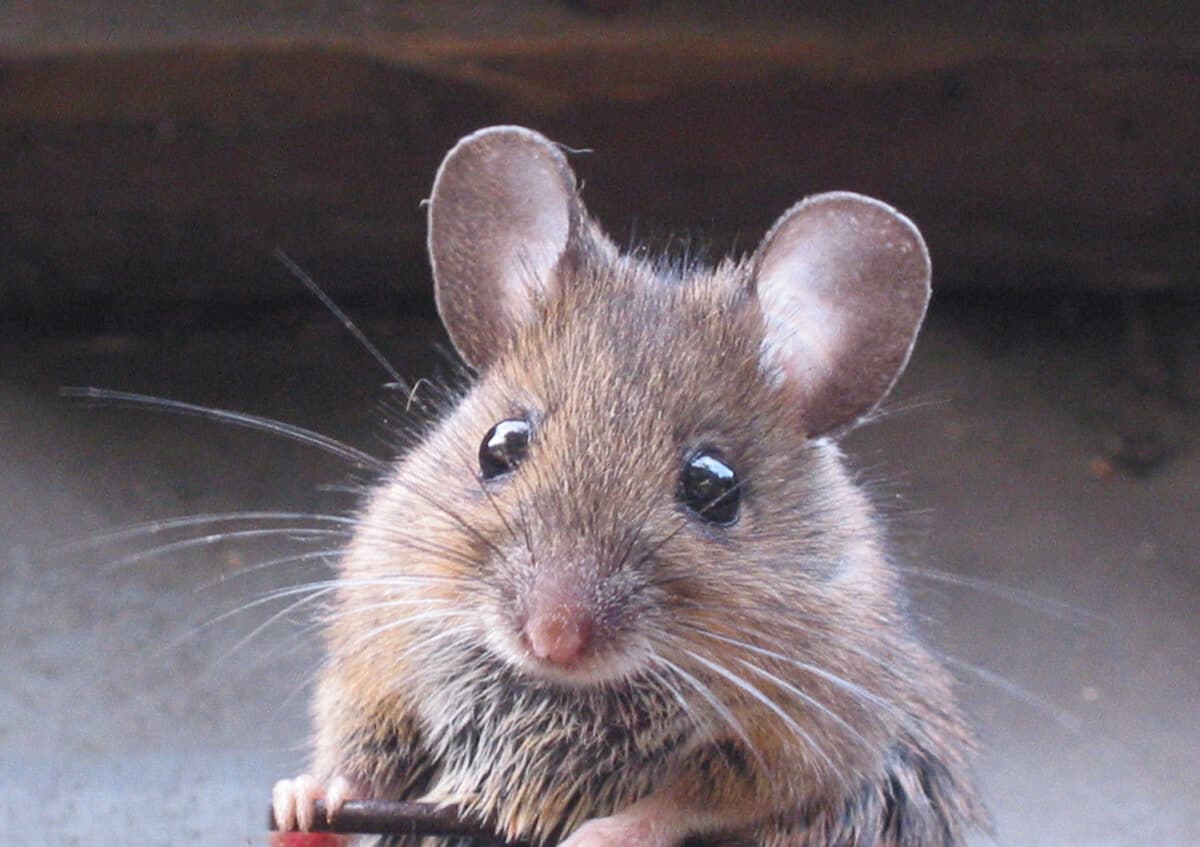
Remember the famous Neanderthal brain that was supposed to be inferior to the modern one, rendering them the big, dumb brutes of legend? Read More ›
Apodemussylvaticusbosmuis
Photo: Wood mouse, by Rasbak, CC BY-SA 3.0 <http://creativecommons.org/licenses/by-sa/3.0/>, via Wikimedia Commons.

Bad Synteny Arguments Claim “No Functional Reason” for Genomic Arrangements
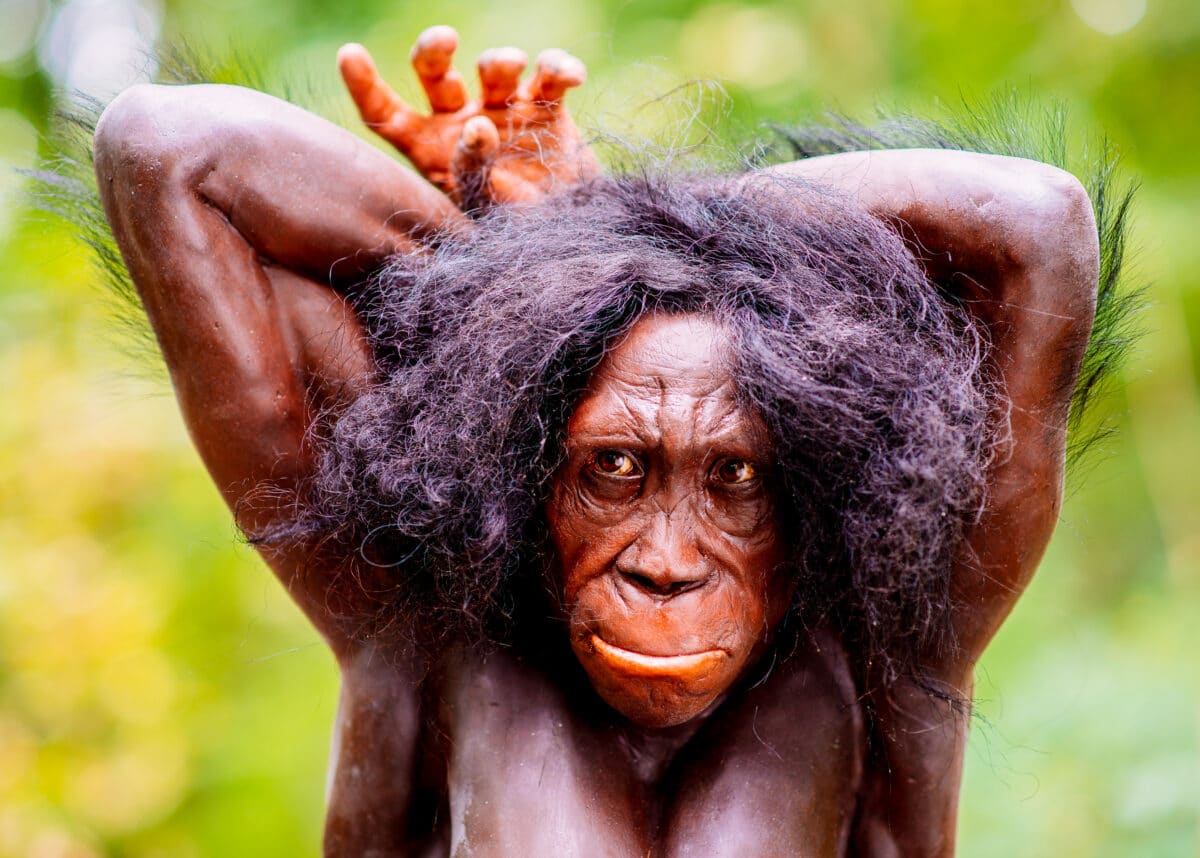
To skip to the punchline, Kuebler says that "species as distantly related as humans and mice share a huge array of synteny blocks." Read More ›
AustralopithecussedibaFundortMalapa
Photo: Australopithecus, by Neanderthal-Museum, Mettmann, CC BY-SA 4.0 <https://creativecommons.org/licenses/by-sa/4.0>, via Wikimedia Commons.

Physicist Overstates the “Gradual” Nature of Human Origins in the Fossil Record

We’ve gone back and forth with Dr. Barr many times in the past. Mainstream paleoanthropologists acknowledge that the origin of humans is sudden and abrupt. Read More ›
LakeCrescentspring
Photo: Lake Crescent, WA, by Adbar, CC BY-SA 3.0 <https://creativecommons.org/licenses/by-sa/3.0>, via Wikimedia Commons.

Under Aesthetic Arrest: Even an Atheist Might Stop and Think

Humans are the only creatures with a capacity for appreciating beauty beyond a rudimentary attraction to something eye-catching, shiny, or colorful. Read More ›
EpisodeafterBattleofZonnebeke1918Hurleyrestoration
Image credit: Frank Hurley, Public domain, via Wikimedia Commons.

Paradigm Lost: Darwinism and the Idea of Human Progress

The notion of progress is now of course increasingly questioned, especially after what has come to be known as “the calamitous 20th century.” Read More ›
TSOE
Image credit: Fathom Entertainment.

The Story, and the Meaning, of Everything
The “nerve of the thing” — telling this story based on scientific evidence — would have barely raised an eyebrow among the founders of science. Read More ›
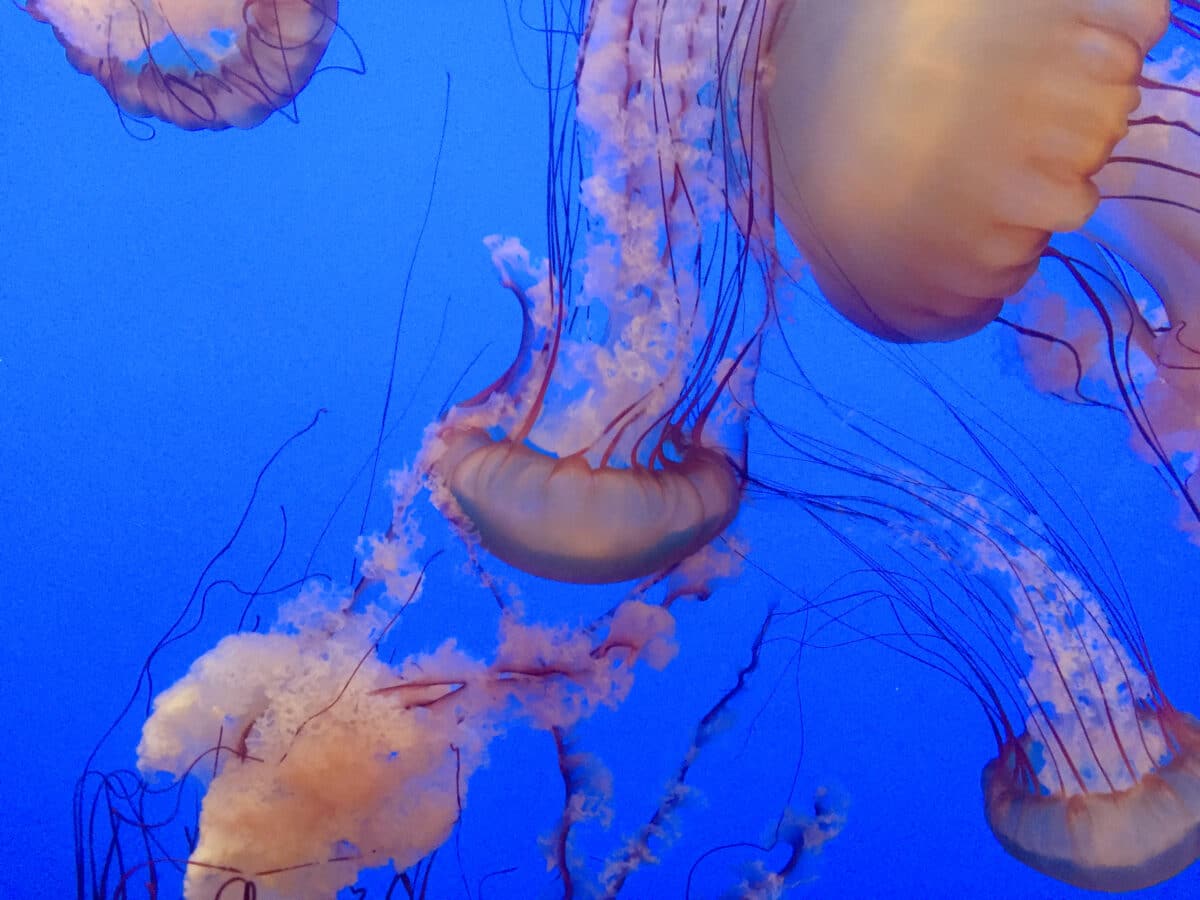
Seanettlejellyfishagainstbluebackdrop
Photo credit: Photollama, CC BY-SA 4.0 <https://creativecommons.org/licenses/by-sa/4.0>, via Wikimedia Commons.

What Would Aliens, if They Exist, Look Like? Like Us, or Like Jellyfish?

According to celebrity scientific atheist Neil deGrass Tyson, ETs would look nothing like us, because there is no reason they would. Read More ›

© Discovery Institute