TriumfofThomasAquinasfresco224157 Type post Author Brian Miller Date May 27, 2026 CategoriesEvolutionFaith & ScienceIntelligent Design Tagged , Aquinas’ Fifth Way, Aristotle, C. W. Howell, capitalism, Casey Luskin, Christianity, Daniel Kuebler, Darwin and Doctrine, Designer Science, Edward Feser, faith and science, Fr. Michael Chaberek, Franciscan University of Steubenville, intelligence, intelligent causation, intelligent design, James R. Hofmann, Jerry Coyne, Karl Marx, Logan Gage, metaphysics, Michael Behe, philosophers, poor design, purpose, Robert Koons, theologians, theology, Thomas Aquinas, unintelligent entities, William Dembski Designer Science Repeats Common Misunderstandings of Thomas Aquinas Brian Miller May 27, 2026 Evolution, Faith & Science, Intelligent Design 7 Aquinas argues that intelligence is recognized precisely because unintelligent entities achieve purposeful ends only when directed by an intelligence. Read More ›
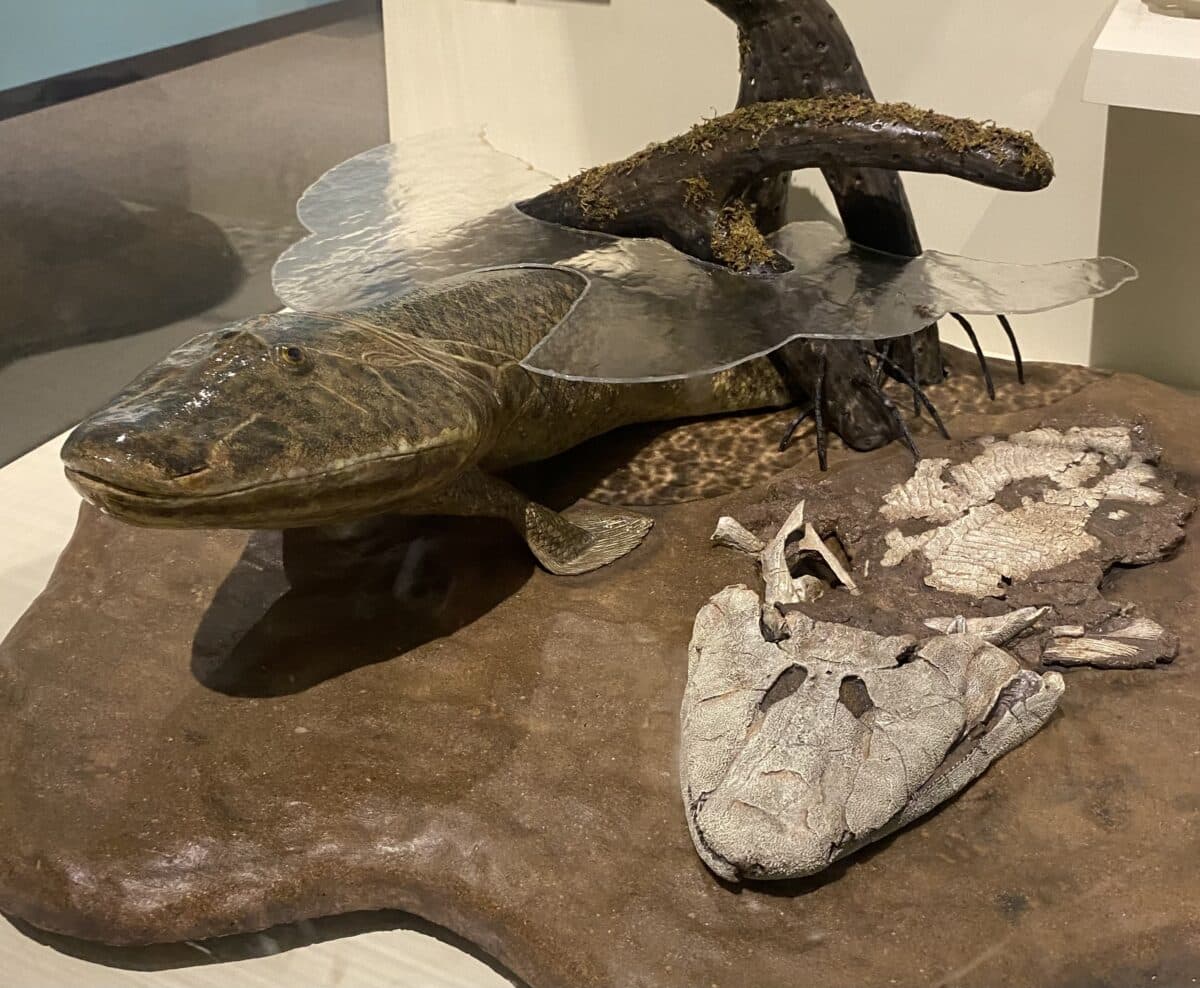
TiktaalikmodelattheHarvardMuseumofNaturalHistory Type post Author Casey Luskin Date May 21, 2026 CategoriesFaith & ScienceGeneticsPaleontology Tagged , Ann Gauger, apes, BIO-Complexity, Brown University, Christians, Chromosomal Fusion, chromosomes, common ancestry, crocodiles, Daniel Kuebler, Darwin and Doctrine, Developmental Cell, DNA, Dover trial, Eugenie Scott, evolution, fish, Franciscan University of Steubenville, genes, genetic evidence, GULO, Günter Bechly, human chromosome 2, human genetic diversity, Kenneth Miller, National Center for Science Education, Ola Hössjer, paleontologists, Poland, pseudogenes, Return of the God Hypothesis, Stephen Meyer, tetrapods, theistic evolution, tiktaalik Addressing More Icons of Theistic Evolution Casey Luskin May 21, 2026 Faith & Science, Genetics, Paleontology 10 Professor Kuebler doesn’t acknowledge the pattern of explosions in the fossil record, but he does cite a supposed transitional form. Read More ›
Apodemussylvaticusbosmuis Type post Author Casey Luskin Date May 20, 2026 CategoriesBiologyGenetics Tagged , biology, chromosomes, Daniel Kuebler, DNA, evolution, Franciscan University of Steubenville, genes, genome function, genomic regulation, genomics, humans, mice, molecular biologists, phylogenetic trees, synteny, synteny blocks, Theistic Evolution (book), theistic evolutionists, universal common descent Bad Synteny Arguments Claim “No Functional Reason” for Genomic Arrangements Casey Luskin May 20, 2026 Biology, Genetics 5 To skip to the punchline, Kuebler says that "species as distantly related as humans and mice share a huge array of synteny blocks." Read More ›
wissenschaftler-untersucht-dna-gel-stockpack-adobe-stock-195001585-stockpack-adobestock Type post Author Casey Luskin Date May 19, 2026 CategoriesEvolutionGenetics Tagged , biology, biology class, Daniel Kuebler, Darwin and Doctrine, Douglas Theobald, Emily Reeves, engineering, evolution, Franciscan University of Steubenville, genetic code, Gerald Fudge, glycolysis, intelligent design, Jonathan McLatchie, lipid membranes, Roman Catholicism, Simon Conway Morris, Stephen Barr, Theistic Evolution (book), theistic evolutionists, theology, universal common descent, variant codes, Winston Ewert Theistic Evolution Book Cites Debunked Icons Casey Luskin May 19, 2026 Evolution, Genetics 11 Professor Kuebler uses a classical argument for common descent, citing the universality of the genetic code. Read More ›