

































Science and Culture Today Discovering Design in Nature
Topic

humans

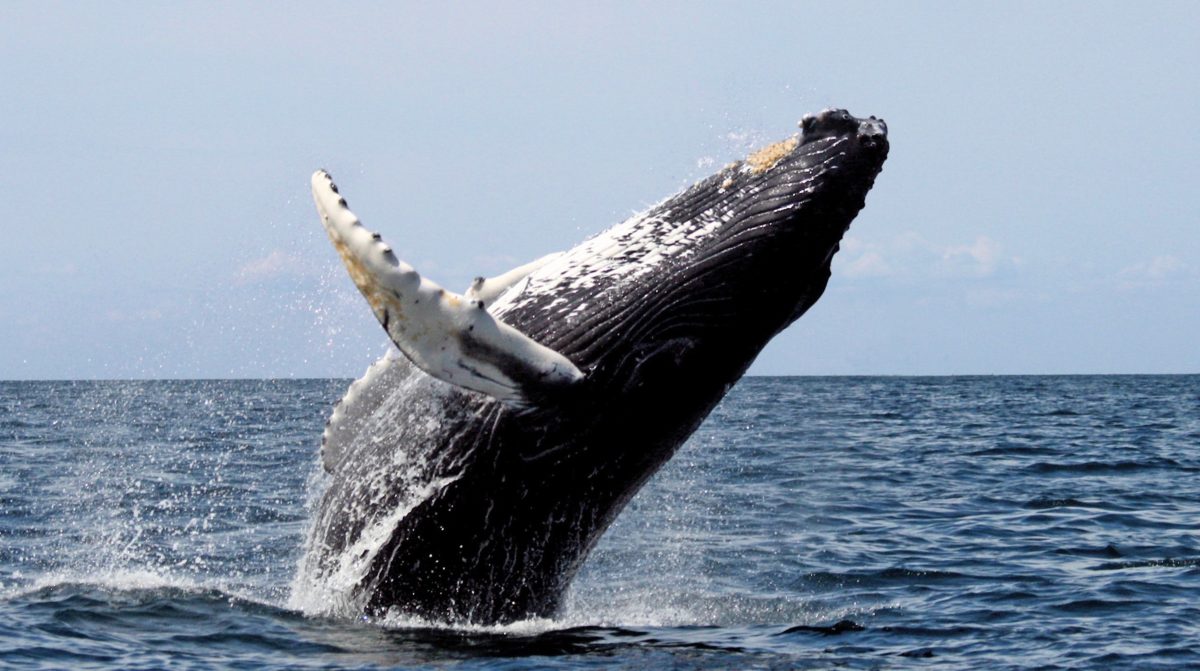
Humpback_stellwagen_edit
Photo: A humpback whale, by Whit Welles Wwelles14 / CC BY (https://creativecommons.org/licenses/by/3.0).

Similarities Between Vertebrate Limbs Are Best Explained Not by Common Ancestry but by Design

The challenge is particularly daunting in the case of whales. The flipper differs in almost every respect from that of its proposed terrestrial ancestor. Read More ›
Artificial-Intelligence
Image source: Pixabay, via Wikimedia Commons.

You Thought the Internet Would Make Life Easier? Get Ready for Mandatory “Personhood Credentials”
Governments have proven themselves quite incapable of keeping information private, as have the largest corporations. Read More ›
Wallace notebooks
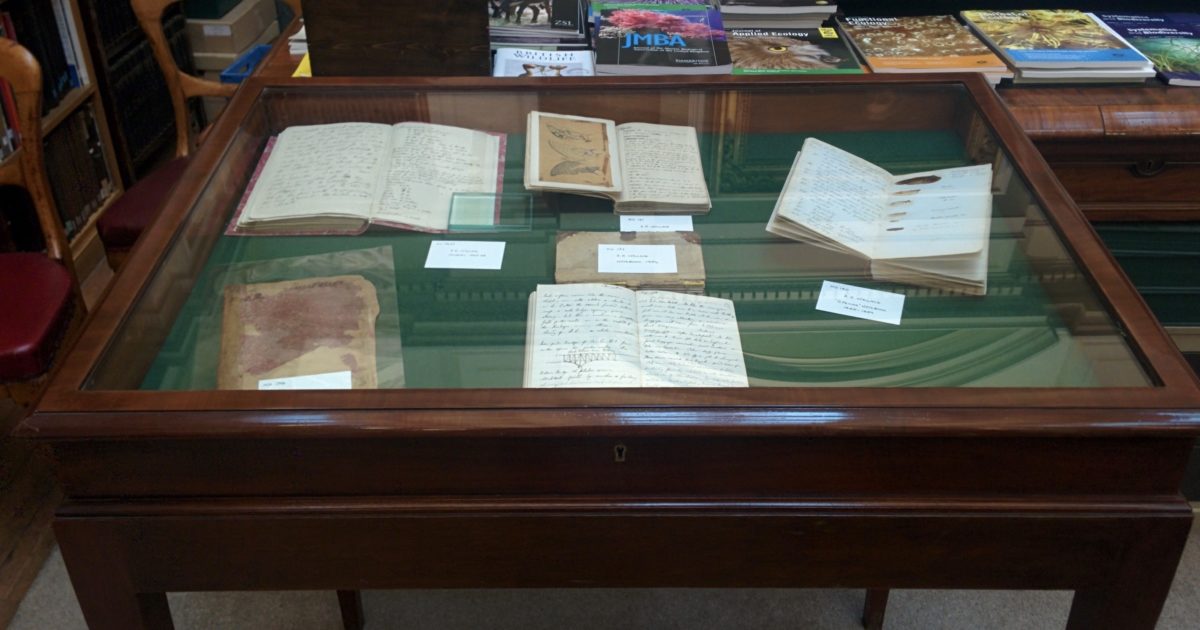
Wallace notebooks
Photo: Wallace's notebooks, at the Linnean Society, London, by John Cummings / CC BY-SA (https://creativecommons.org/licenses/by-sa/3.0).

Alfred Wallace’s Views Hold Up Well Today — Unlike Those of His Friendly Rival Charles Darwin
Wallace’s stance is remarkable in foreshadowing modern intelligent design theory. Read More ›
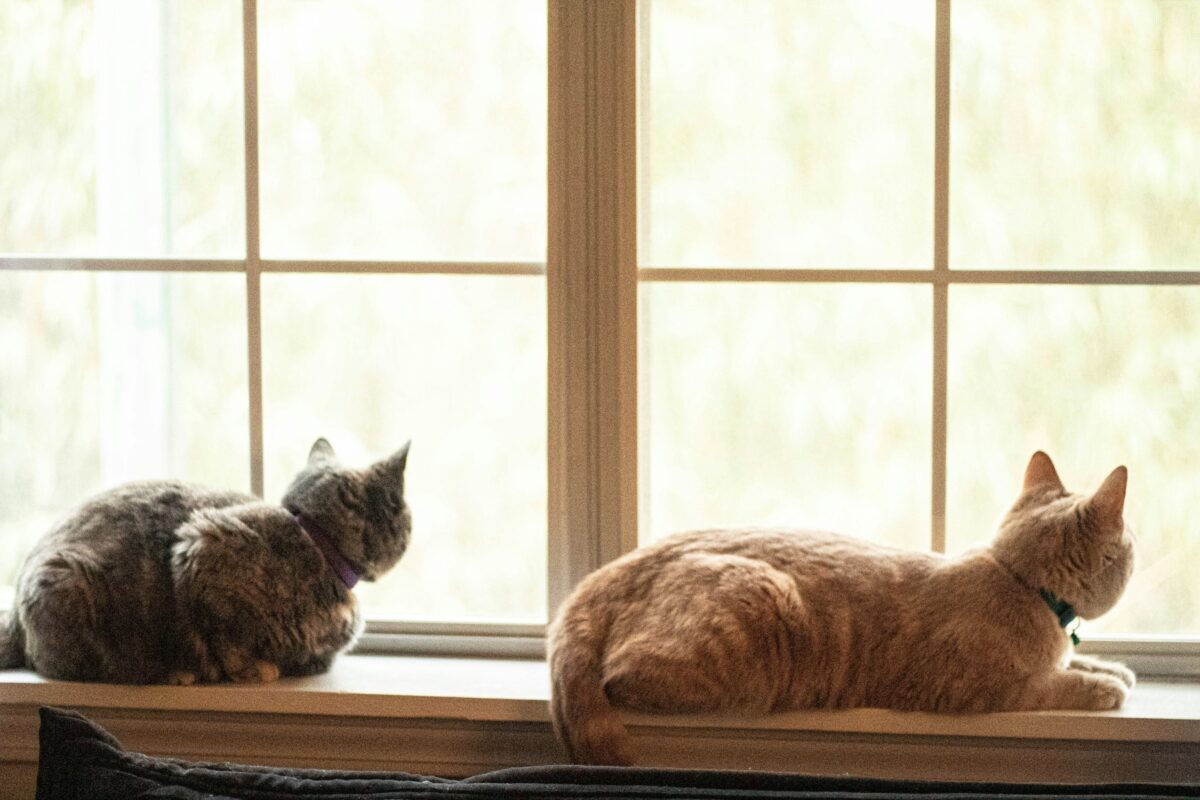
cats
Photo credit: Photo by Leighann Blackwood via Unsplash.

A (Cat’s) Grief Observed: Understanding the Gulf that Separates Us from Our Pets

The gap between the human mind and the cat mind doesn’t turn on emotions but on abstractions. Read More ›
5052744416-353f737db7-o
Photo: Earth as seen from the Moon, by NASA.

What Can We Infer About the Source of Life?

If I may, I would submit that a familial relationship exists between the author of life and what has been made. Read More ›
HamekoskiIronFoundry
Image source: Wikimedia Commons.

Eric Hedin: The Miracle(s) of Metal

Humans have successfully utilized metals for millennia, and trace amounts of metals are crucial to our survival. Is that coincidence or something more? Read More ›
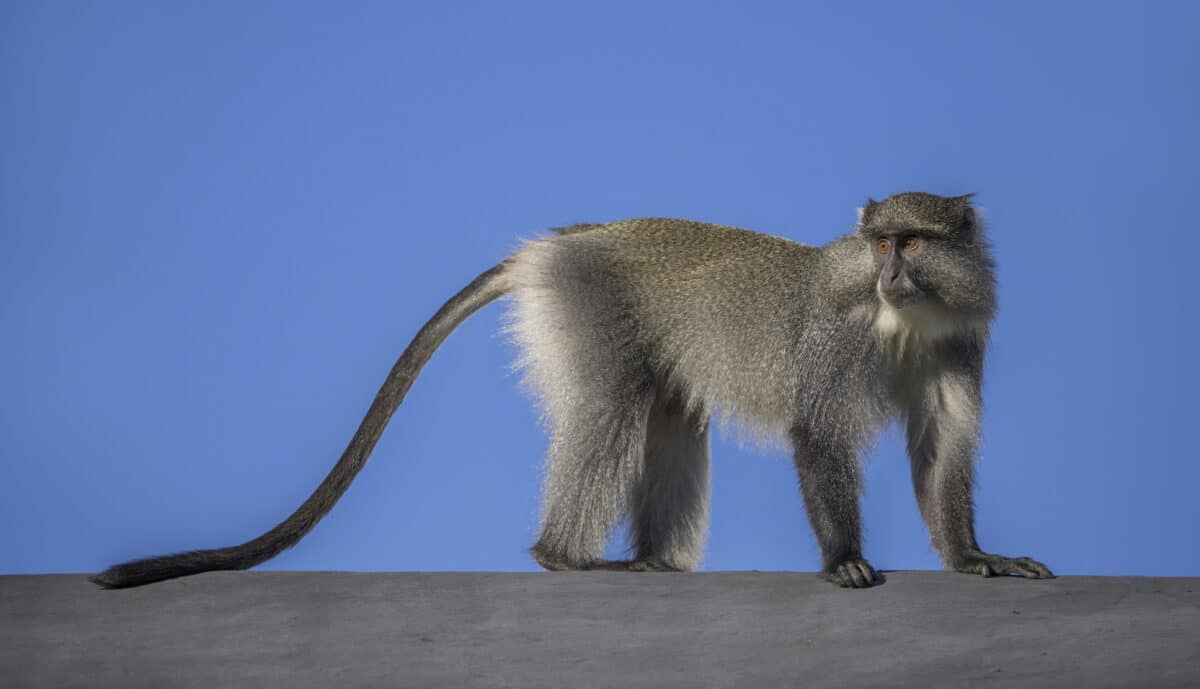
Samango_monkey_(Cercopithecus_mitis_erythrarchus)_Mount_Sheba
Photo: Samango monkey, by Charles J. Sharp, CC BY-SA 4.0 <https://creativecommons.org/licenses/by-sa/4.0>, via Wikimedia Commons.

How “Junk” DNA Got Its Function: Evolutionary Tales Fail to Convince
Earlier this year there was a flurry of stories about how “junk DNA” may explain why humans don’t have tails. Read More ›
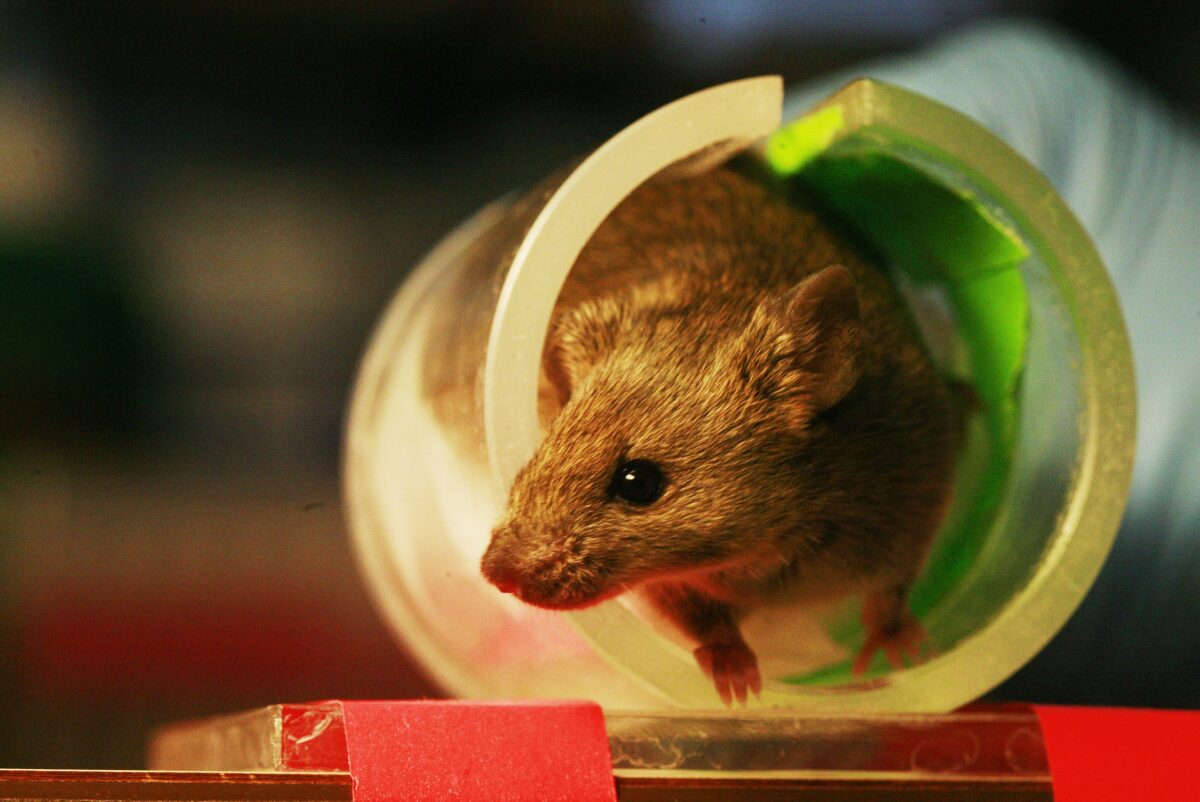
2560px-Lab_mouse_mg_3294
Photo credit: Rama, CC BY-SA 2.0 FR <https://creativecommons.org/licenses/by-sa/2.0/fr/deed.en>, via Wikimedia Commons.

Research with Mice May Explain How the Placebo Effect Works

The mice had to be placed in a painful situation in order to trigger a placebo effect. With humans, it is often just a matter of communicating orally. Read More ›
Danloux_-_Young_woman_holding_a_syringe
Image: "Young woman holding a syringe" (1781), by Henri-Pierre Danloux, via Wikimedia Commons.

Richard Weikart: Medicine’s Descent From Healing to Killing
Dr. Weikart's book is a wide-ranging history of euthanasia and assisted suicide from ancient Greece to today.  Read More ›
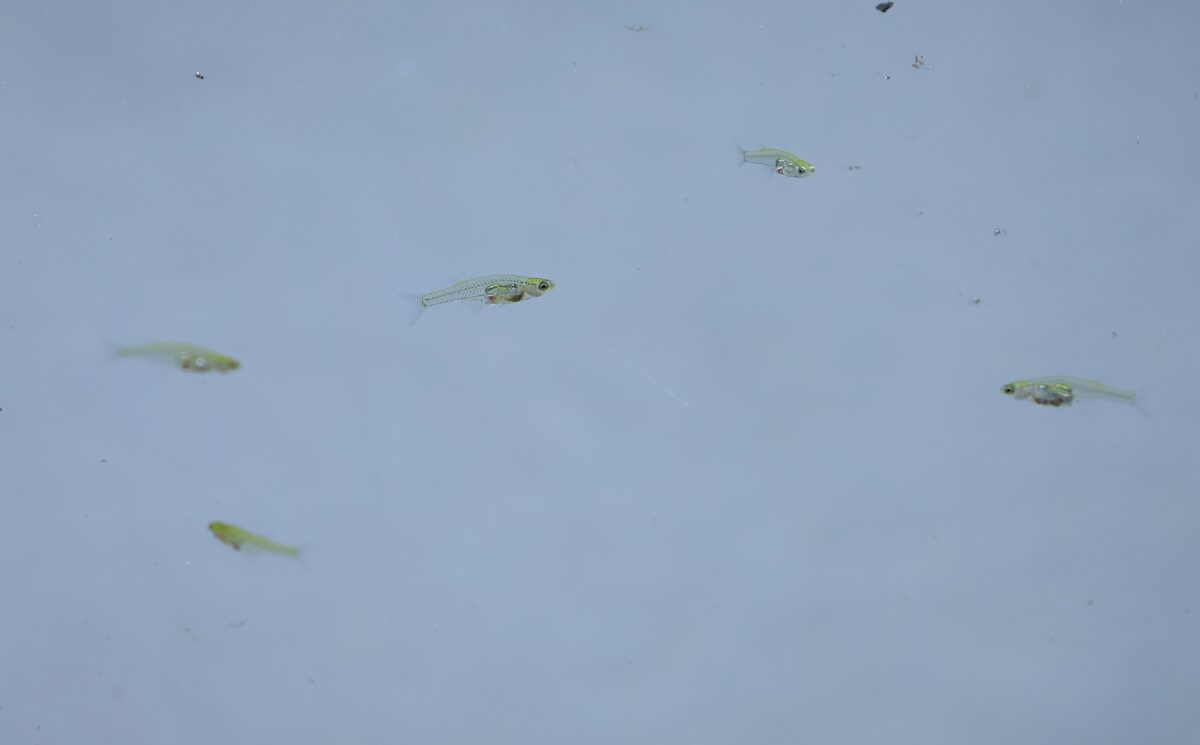
Danionella_cerebrum_1
Photo: Danionella cerebrum, by AngryBurmese, CC BY 4.0 <https://creativecommons.org/licenses/by/4.0>, via Wikimedia Commons.

Study Unravels the Mystery of Fish Hearing

The fish directional hearing algorithm appears to be another example of a complex programmed behavior in animals. Read More ›

© Discovery Institute