Earth Type post Author Granville Sewell Date March 5, 2026 CategoriesBiologyIntelligent DesignPlanetology Tagged , Albuquerque, algorithms, alternative splicing, amino acid sequences, Andrew McDiarmid, Brian Josephson, Cambrian Explosion, Cambridge University, Center for Science and Culture, David Waltham, digital information, discoveries, earth, Earth-like planets, enzymes, fundamental constants, genes, ID the Future, information processing, initial conditions, junk DNA, life, Lucky Planet, Michael Kent, molecular biology, molecular machines, mutation, natural selection, physics, Return of the God Hypothesis, Sandia National Laboratories, spliceosome, Stephen Meyer, universe, Why Evolution Is Different Stay Informed about the Evidence for Design, with Michael Kent Granville Sewell March 5, 2026 Biology, Intelligent Design, Planetology 8 Technological advances have led to the discovery of planets outside our solar system, with news heralding the discovery of many “earth-like” planets. Read More ›
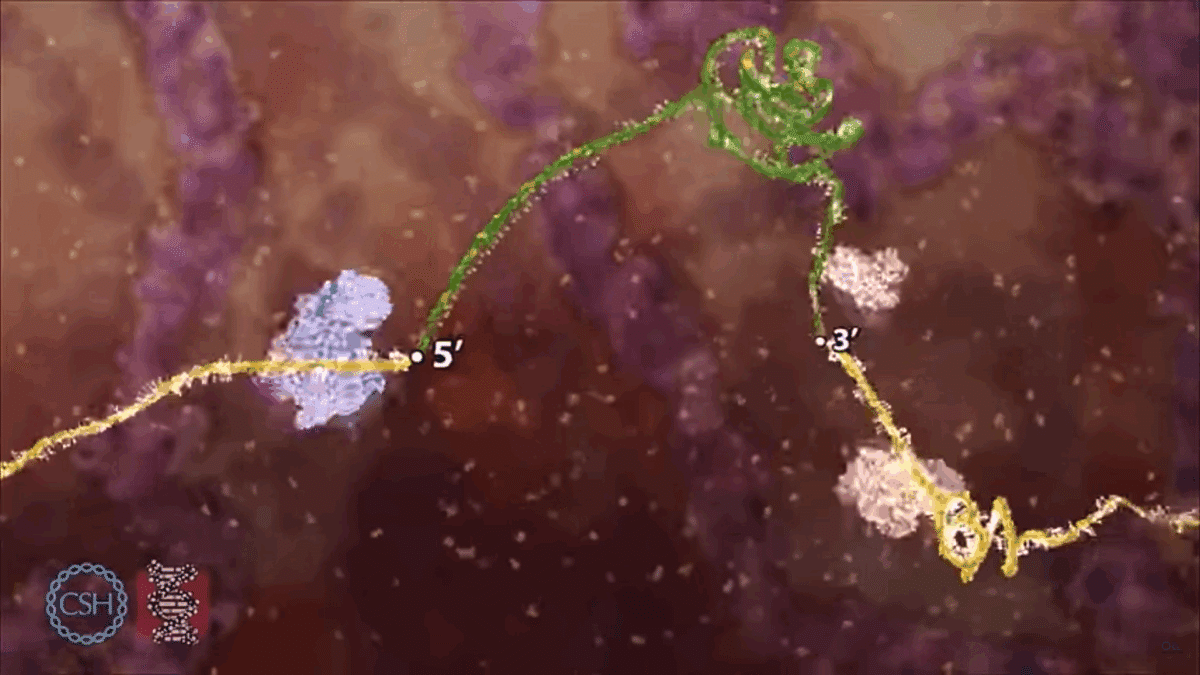
Screenshot-2025-06-17-at-35914PM-2 Type post Author Jonathan McLatchie Date June 18, 2025 CategoriesBiologyEvolutionIntelligent Design Tagged , alternative splicing, amino acids, animation, complexity, development, DNA, eukaryotes, evolution, exons, Francis Crick, genes, intelligent causation, intelligent design, introns, junk DNA, MicroRNAs, mRNA, proteins, Ribosome, spliceosome, splicing Evolutionary Obstacles to the Origin of Introns Jonathan McLatchie June 18, 2025 Biology, Evolution, Intelligent Design 18 The only type of explanation that adequately accounts for this type of phenomenon is a goal-directed, or intelligent, cause. Read More ›
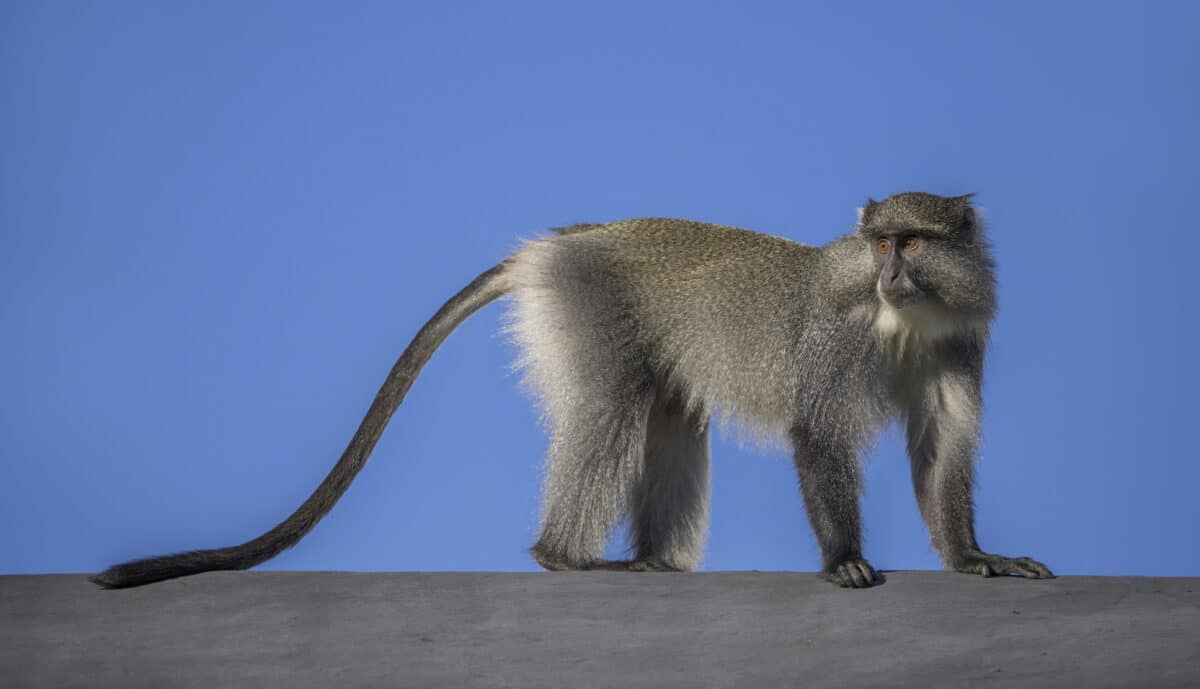
Samango_monkey_(Cercopithecus_mitis_erythrarchus)_Mount_Sheba Type post Author Casey Luskin Date August 9, 2024 CategoriesBiologyEvolutionIntelligent Design Tagged , alternative splicing, body plans, brain, diseases, evolution, function, humans, intelligent design, junk DNA, Live Science, monkeys, mutations, Nature (journal), Nature Ecology & Evolution, Scientific American How “Junk” DNA Got Its Function: Evolutionary Tales Fail to Convince Casey Luskin August 9, 2024 Biology, Evolution, Intelligent Design 6 Earlier this year there was a flurry of stories about how “junk DNA” may explain why humans don’t have tails. Read More ›
cell interior Type post Date January 29, 2020 CategoriesIntelligent DesignLife Sciences Tagged , __edited, alternative splicing, biochemists, biomolecules, cells, DNA, ENCODE, evolutionary theory, Human Genome Project, ID the Future, information, Jonathan Wells, jumping genes, junk DNA, methylation, Paul Nelson, pesticides, Phillip E. Johnson, polysaccharides, RNA, spliceosome, sugars, The Scientist, University of Chicago, Washington University Surprises in Cell Codes Reveal Information Goes Far Beyond DNA Science & Culture January 29, 2020 Intelligent Design, Life Sciences 7 Information is the stuff of life. Not limited to DNA, information is found in most biomolecules in living cells. Read More ›
Encryption 2 Type post Date July 9, 2018 CategoriesIntelligent DesignLife Sciences Tagged , __k-review, Aarhus University, alternative splicing, cryptology, Denmark, gene regulation, intelligent design, introns, programmers, RNA, splicing, steganography Encryption System Found in Genes Science & Culture July 9, 2018 Intelligent Design, Life Sciences 6 A clever method of RNA editing may explain the role of introns embedded in genes, and points to even higher levels of programming. Read More ›
Type post Author Cornelius Hunter Date May 28, 2016 CategoriesEvolutionFaith & ScienceHuman Origins and Anthropology Tagged , __tedited, alternative splicing, chimpanzee genome, chimpanzees, common ancestry, convergent evolution, Dennis Venema, genomic analysis, gorillas, human exceptionalism, human language, human lineages, ideology, patterns, probabilities, retroviruses, viruses The Naked Ape: An Open Letter to BioLogos on the Genetic Evidence, Cont. Cornelius Hunter May 28, 2016 Evolution, Faith & Science, Human Origins and Anthropology 14 It does not seem that the evidence supports evolutionary theory as Dennis Venema concludes. Read More ›