Science and Culture Today Discovering Design in Nature
Topic

carbon

Bryophyte_Leaf_Cells
Photo: Leaf cells, by KarlGaff, CC BY-SA 4.0 <https://creativecommons.org/licenses/by-sa/4.0>, via Wikimedia Commons.

An Astonishing Life-Friendly Coincidence: The Properties of the Nonmetal Atoms

It is well established that there are far more ways in which the universe might have been that are non-conducive to life than there are life-friendly ways. Read More ›
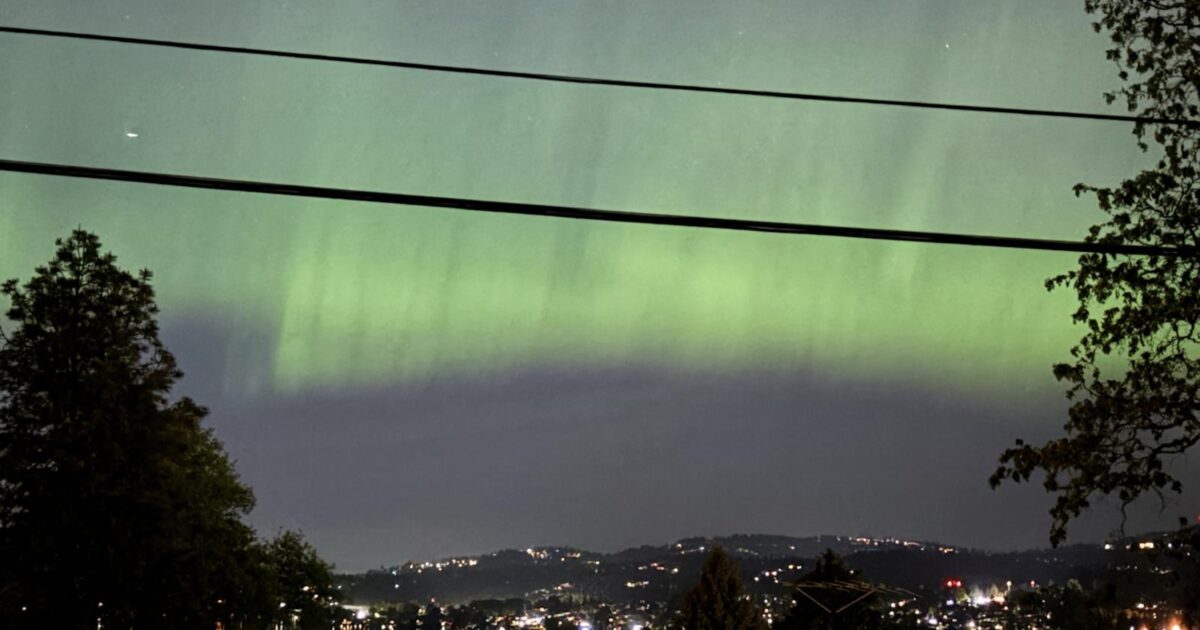
image001
Photo credit: Casey Luskin.

In Aurora Borealis, Scientific and Aesthetic Design Arguments Meet 

You appreciate the aurora borealis or aurora australis because you were not created by strictly material evolutionary processes. Read More ›
polar bear
Photo credit: AWeith, CC BY-SA 4.0 <https://creativecommons.org/licenses/by-sa/4.0>, via Wikimedia Commons.

A Closer Look at Natural Law 

The property of a keen sense of smell allows a polar bear to smell a seal miles away under the ice. Read More ›
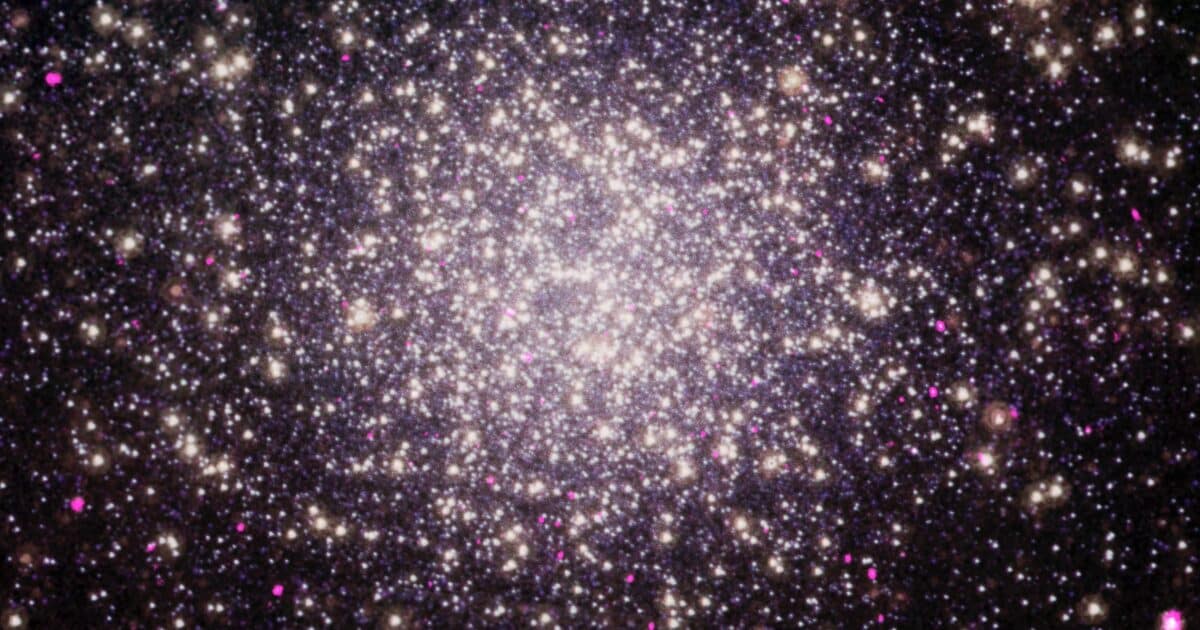
Omega=Centauri
Photo: Omega Centauri, X-ray:, by NASA/CXC/SAO; Optical: NASA/ESA/STScI/AURA; IR:NASA/JPL/Caltech; Image Processing: NASA/CXC/SAO/N.

Despite Fine-Tuning, Roger Penrose Is “Agnostic” About Intelligent Design

The slightest changes in almost any of the basic parameters of nature would have led to a universe without stable stars or without stars at all. Read More ›
Sagittarius C
Photo credit: NASA, ESA, CSA, STScI, and S. Crowe (University of Virginia).

A Philosopher Rejects the Multiverse but Embraces Mythology

Ascribing sentience or cosmic purpose to forces or the particles on which they act is to step out of the realm of science into the realm of myth-making. Read More ›
March for Science 2
Photo: March for Science, 2017, Brisbane, by interestedbystandr, via Flickr.

As Trust in Science Sinks, Prestigious Journal Decides to Showcase Yet Another Politicized Scientist

The world’s most prestigious science journal just published an ex-astronomer's remarkable screed. Read More ›
Pacific Ocean
Photo: Pacific Ocean, by NASA, Apollo 11, Public domain, via Wikimedia Commons.

How the “Other” ATP Synthase Saves the Planet
A lesser-known rotary engine within cells is responsible for a substantial portion of gases and nutrients that sustain the biosphere. Read More ›
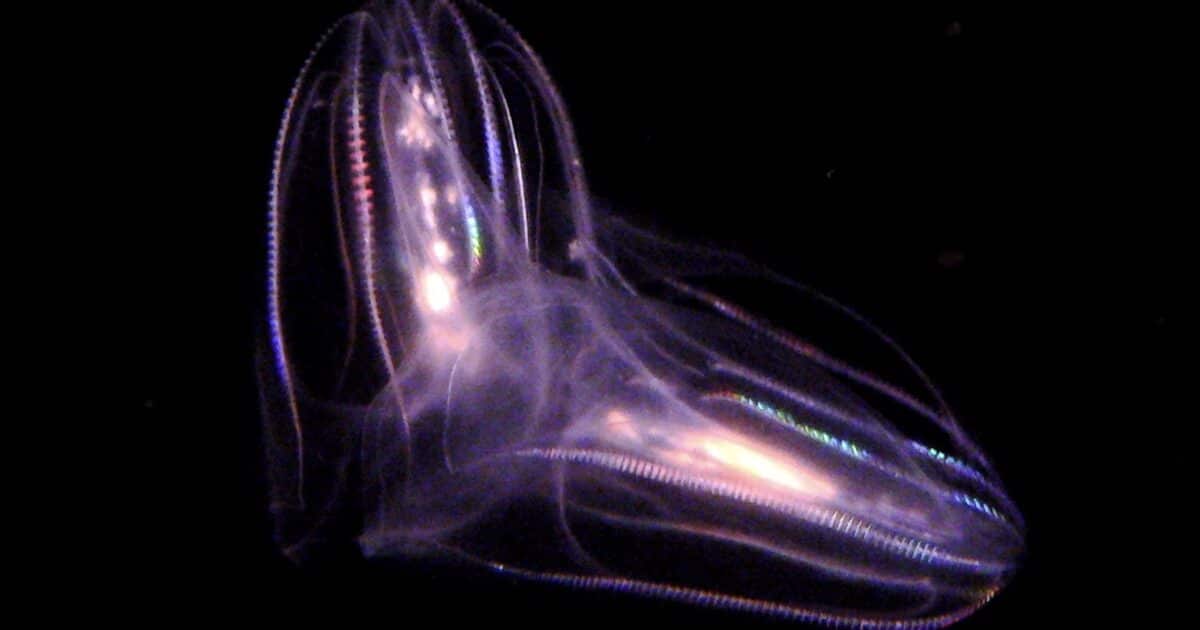
comb jelly
Photo: A comb jelly, by Steve Jurvetson from Menlo Park, USA, CC BY 2.0 <https://creativecommons.org/licenses/by/2.0>, via Wikimedia Commons.

Earliest Comb Jellies Wore Armor — “Remarkable,” Say Researchers
It would be surprising, under an evolutionary view, to find such a complex system in the earliest animal fossils. Read More ›
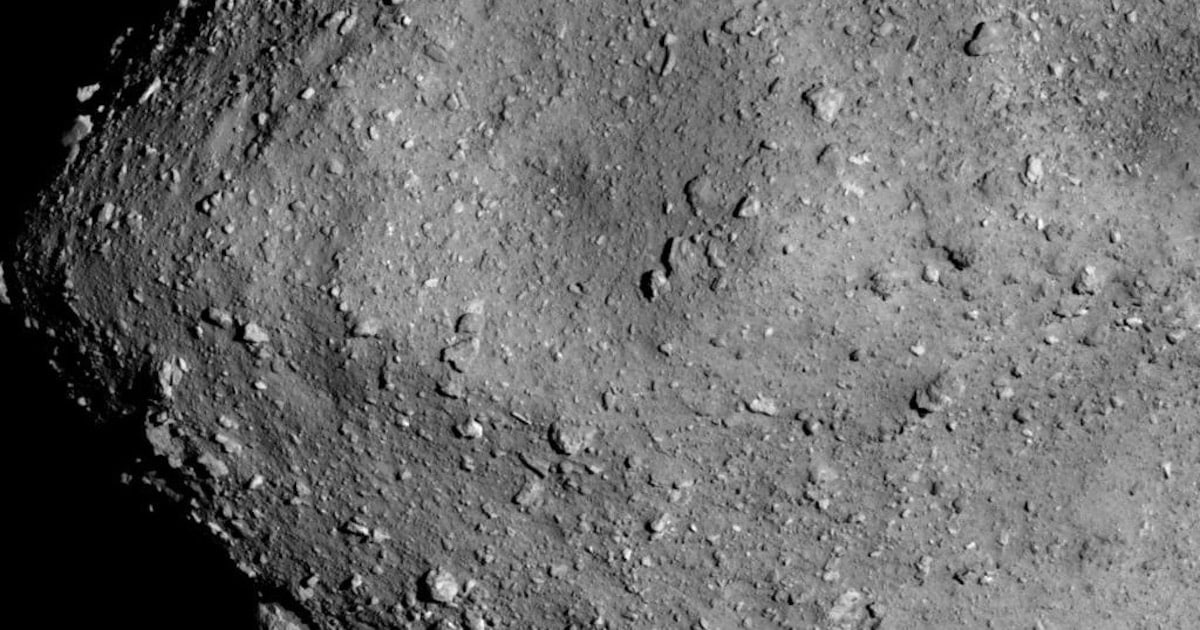
Ryugu
Photo: Asteroid Ryugu, by Stuart Rankin, via Flickr (cropped).

Uracil Discovered on Asteroid Ryugu — What Does It Mean for the Origin of Life?

These Ryugu samples appear to be our first chance to examine which organic compounds may be produced in a prebiotic setting in our solar system. Read More ›
supply chain
Photo credit: David Vives via Unsplash.

How the Earth Operates Supply Chains for Life

It’s no help having essential elements in the Earth’s crust if they can’t get to the organisms that need them. Read More ›

© Discovery Institute