


















Science and Culture Today Discovering Design in Nature
Topic

Pythagoras

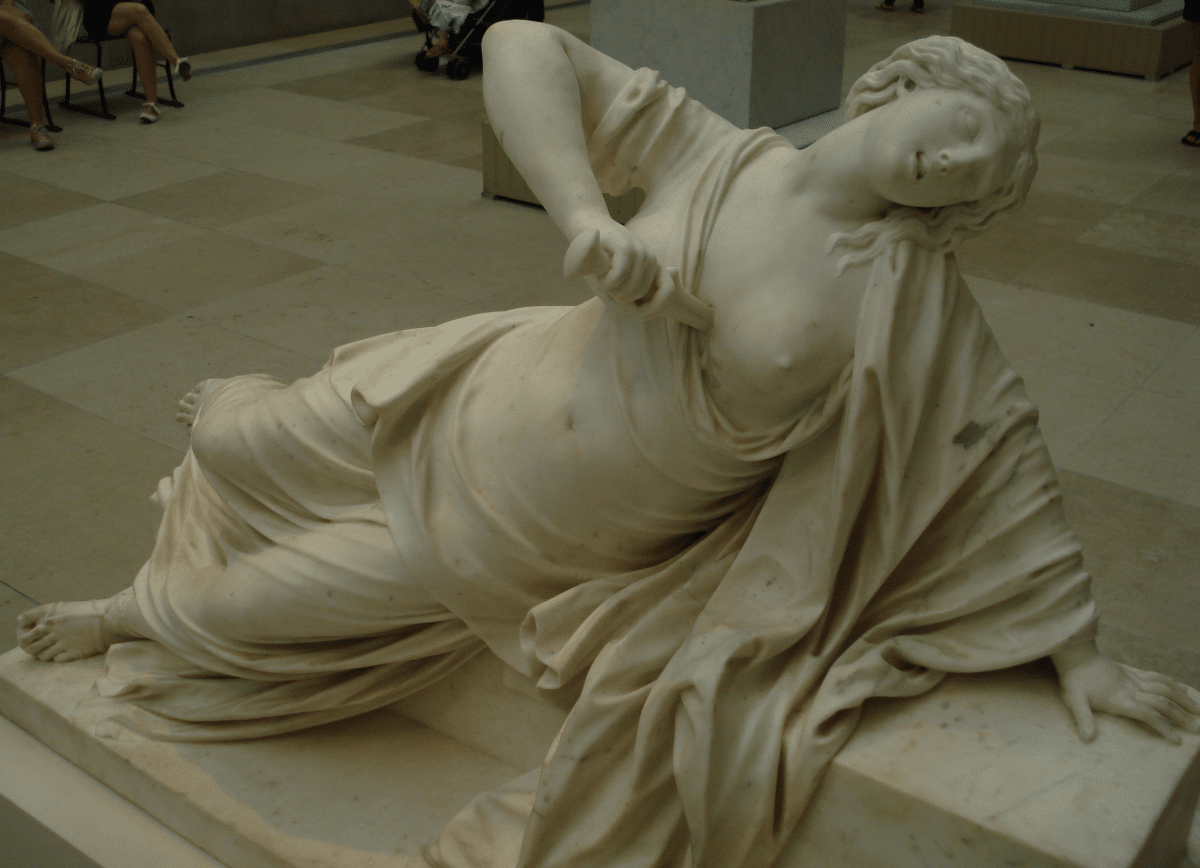
Lucretia_committing_suicide
Photo: Suicide of Lucretia, by Philippe Bertrand, Public domain, via Wikimedia Commons.

Life Devalued: Suicide and Infanticide in Classical Antiquity

Nick Vujicic’s story would probably have turned out quite differently if he had been born in ancient Greece or Rome. Read More ›
polar bear
Photo credit: AWeith, CC BY-SA 4.0 <https://creativecommons.org/licenses/by-sa/4.0>, via Wikimedia Commons.

A Closer Look at Natural Law 

The property of a keen sense of smell allows a polar bear to smell a seal miles away under the ice. Read More ›
abacus-on-white-background-stockpack-adobe-stock-240043381-stockpack-adobestock
abacus on white background
Image Credit: Yunio - Adobe Stock

The War on 2 + 2 = 4

The people weighing in against 2 + 2 = 4 are not mathematicians but in education departments where they teach the teaching of mathematics. Read More ›
spiral
Photo credit: Jossuha Théophile on Unsplash.

Is Natural Law Irreducible?

Perhaps the most fundamental distinction between naturalism and intelligent design is where each metaphysical framework draws the line at irreducibility. Read More ›
Claudius Ptolemy
Image: Claudius Ptolemy, by Joos van Ghent and Pedro Berruguete (1476), via Wikimedia Commons.

Let’s Explore How Cosmology Influenced Christianity

Many centuries prior to the rise of modern science, the philosophers of antiquity recognized the inherent rationality of the natural word. Read More ›
Selimiye_Mosque,_Dome
Photo source: Stylommatophora at Wikimedia Commons., CC BY 4.0 <https://creativecommons.org/licenses/by/4.0>, via Wikimedia Commons.

Muslims Should Be Natural Allies of Intelligent Design 
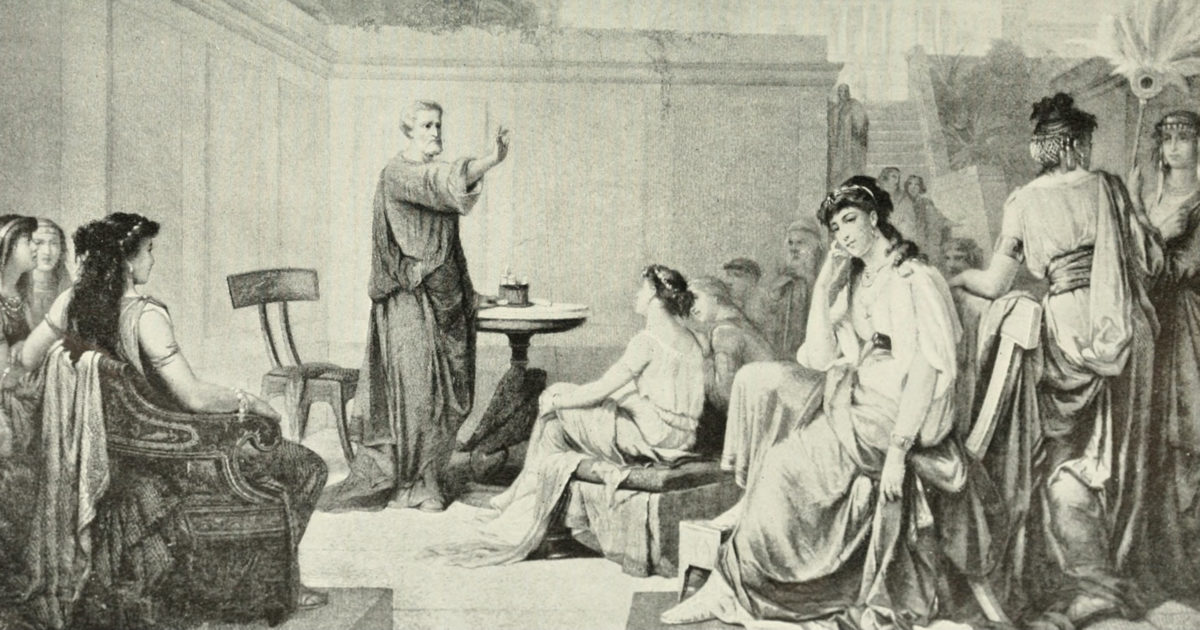
I have been invited to speak at many Islamic Centers throughout the United States and Canada over the last ten years. Read More ›
Pythagoras
Image: Pythagoras, via Wikimedia Commons.

Melissa Cain Travis: Explaining the Uncanny “Cosmic Resonance” of Mathematics

Travis considers the history of Western thinking from Pythagoras and the pre-Socratic philosophers to Philo of Alexandria and onward. Read More ›

© Discovery Institute