Science and Culture Today Discovering Design in Nature
Category

Botany

Wallace 2
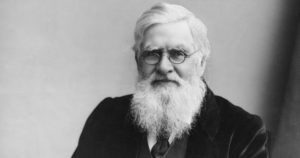
Photo: Alfred Russel Wallace, by London Stereoscopic & Photographic Company (active 1855-1922) (First published in Borderland Magazine, April 1896) [Public domain], via Wikimedia Commons.

Alfred Russel Wallace: A Life in Science, Rediscovered

Despite the notoriety of Wallace in his own day, he remains a comparatively obscure figure in the history of biology. Read More ›
snapdragons
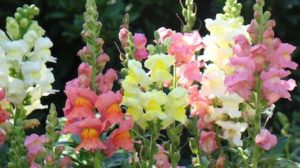
Photo: Snapdragons, by Off2riorob (talk) [CC BY 3.0 ], from Wikimedia Commons.

Three Ways that Plants Defy Darwin’s Mechanism

Plants have no brains and limited mobility, yet they have mechanisms to thrive in place. One mechanism involves the prevention of inbreeding. Read More ›
1-s2.0-S0079610718300798-gr3_lrg

With New Theory of the Cambrian Explosion, Scientists Reach (Literally) for the Stars

Darwinists will respond with the usual mirthless hyena laughter. But this is no joke. Read More ›
tree-person-2

No, Trees Are Not People Too

Novelist Barbara Kingsolver seriously asserts, in her review of a novel in which trees are characters, that they are people too. Read More ›
Puget Sound

Behind Water’s Beauty, Wondrous Utility

"The hydrological cycle has reliably delivered water to the terrestrial ecosystems of planet Earth for millions of years." Read More ›
craniopagus twins
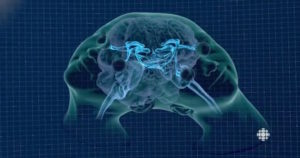
Image: Screengrab from “Twin Life: Sharing Mind and Body,” via CBC TV/YouTube.

What the Craniopagus Twins Teach Us About the Mind and the Brain
Tatiana and Krista Hogan's shared and individual powers of mind are just what Thomistic dualism predicts. Read More ›
phyllotaxis
spiral
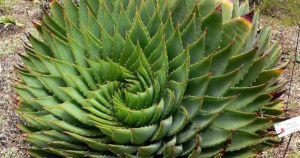
Photo credit: Stan Shebs [GFDL, CC BY-SA 3.0 or CC BY-SA 2.5], via Wikimedia Commons.

Plant Spiral Designs Still Unexplained
Even down to the level of molecules and genes, there doesn’t seem to be any physical reason for plants to grow “Golden Ratio” patterns. Read More ›
pea plant
plants
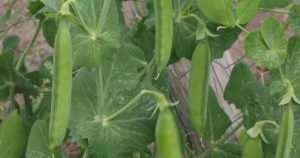
Photo: A pea plant, by Rasbak (Own work) [GFDL or CC-BY-SA-3.0], via Wikimedia Commons.

Prairie Dogs “Talk”…and Plants “Hear” – More Reasons for Dumping Humankind’s Unique Place in Nature?
Plants respond to light, but they do not “see.” Read More ›
red algae
evolution of plant-like life
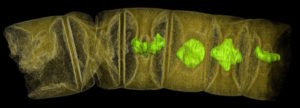
Fossil red algae, by Stefan Bengtson, CCAL via Science Daily.

Plant-Like Life Is Pushed Back 400 Million Years

In the evolution debate, Darwinists interpret time as automatically favorable to themselves. Not necessarily so. Read More ›

© Discovery Institute