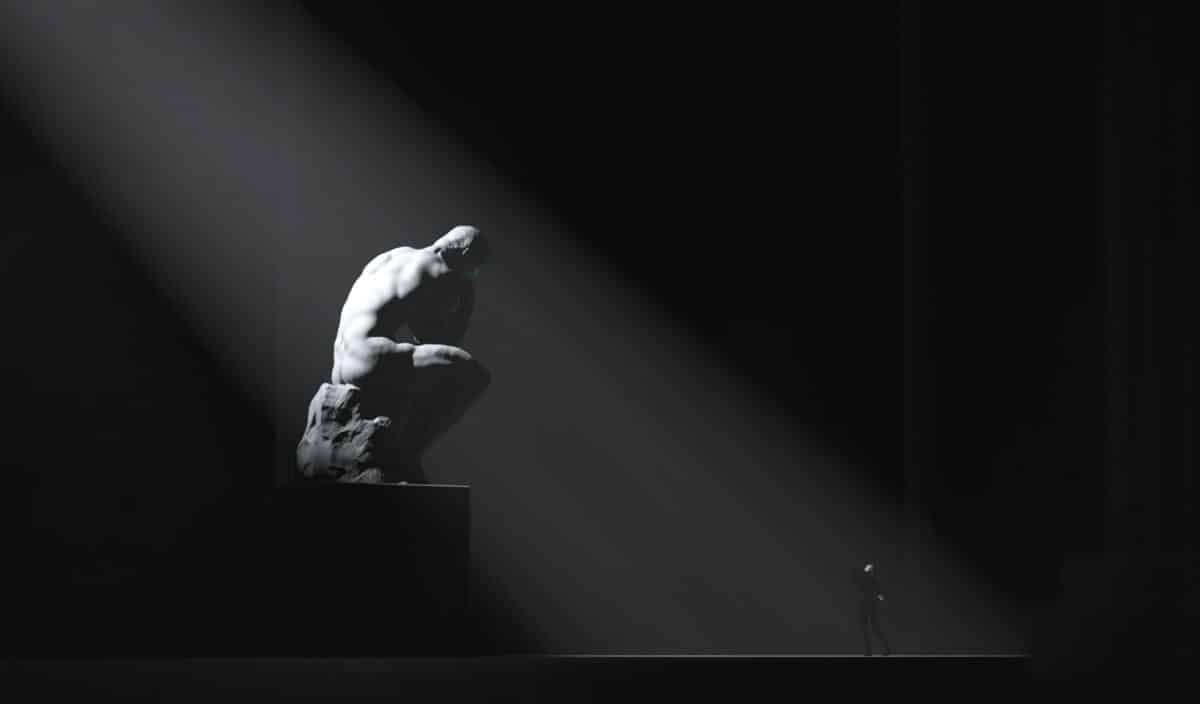
the-thinker-statue-abstract-stockpack-adobe-stock-236384243-stockpack-adobestock Type post Author Denyse O’Leary Date November 18, 2025 CategoriesHuman ExceptionalismScientific Reasoning Tagged , chimps, crows, fungi, humans, John Horgan, Johns Hopkins University, Marc Bekoff, New Scientist, New York Times, New York University, octopuses, plants, prairie dogs, Psychology Today, tools, William Egginton On New Book, Elite Opinion Cuts Loose from Reality Denyse O’Leary November 18, 2025 Human Exceptionalism, Scientific Reasoning 6 All these intellectual worthies, in deadly earnest virtue, choose to miss the point. Read More ›
black tailed prairie dog Type post Author Michael Egnor Date June 2, 2017 CategoriesLife SciencesLinguisticsNeuroscience & Mind Tagged , communication, designators, prairie dogs, signal, Tom Wolfe Prairie Dogs Are Cute, But Can They Talk? Michael Egnor June 2, 2017 Life Sciences, Linguistics, Neuroscience & Mind 7 There is no doubt that prairie dogs (and many animals) are quite clever. In some ways, animals can be cleverer than men. Read More ›
pea plant Type post Author David Klinghoffer Date May 17, 2017 CategoriesBioethicsBotanyEvolutionHuman ExceptionalismLife Sciences Tagged , __cedited, Arabidopsis, hearing, nature rights, prairie dogs, Wesley J. Smith Prairie Dogs “Talk”…and Plants “Hear” – More Reasons for Dumping Humankind’s Unique Place in Nature? David Klinghoffer May 17, 2017 Bioethics, Botany, Evolution, Human Exceptionalism, Life Sciences 3 Plants respond to light, but they do not “see.” Read More ›
prairie dog Type post Author David Klinghoffer Date May 17, 2017 CategoriesBioethicsHuman ExceptionalismLife SciencesLinguisticsScience Reporting Tagged , __cedited, Dogs, New York Times, prairie dogs, Tom Wolfe Dogs Communicate, So Do Prairie Dogs – So? David Klinghoffer May 17, 2017 Bioethics, Human Exceptionalism, Life Sciences, Linguistics, Science Reporting 3 It’s all in the spin, isn’t it? Chirping chipmunks – sorry, prairie dogs – knock down the “the last bastion encircling human exceptionalism." Read More ›