

















Science and Culture Today Discovering Design in Nature
Category

Engineering

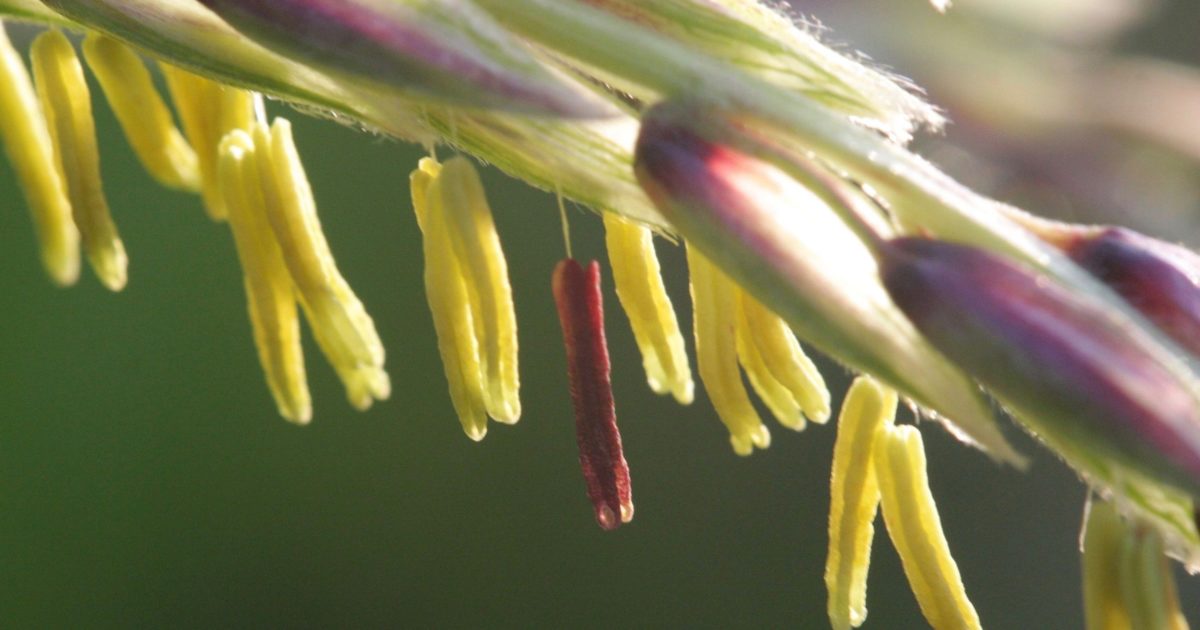
maize

Nearly All of Evolution Is Best Explained by Engineering

Transposable elements modify gene regulation in maize to confer drought tolerance, alter flowering time, and enable plants to grow in toxic aluminum soils. Read More ›
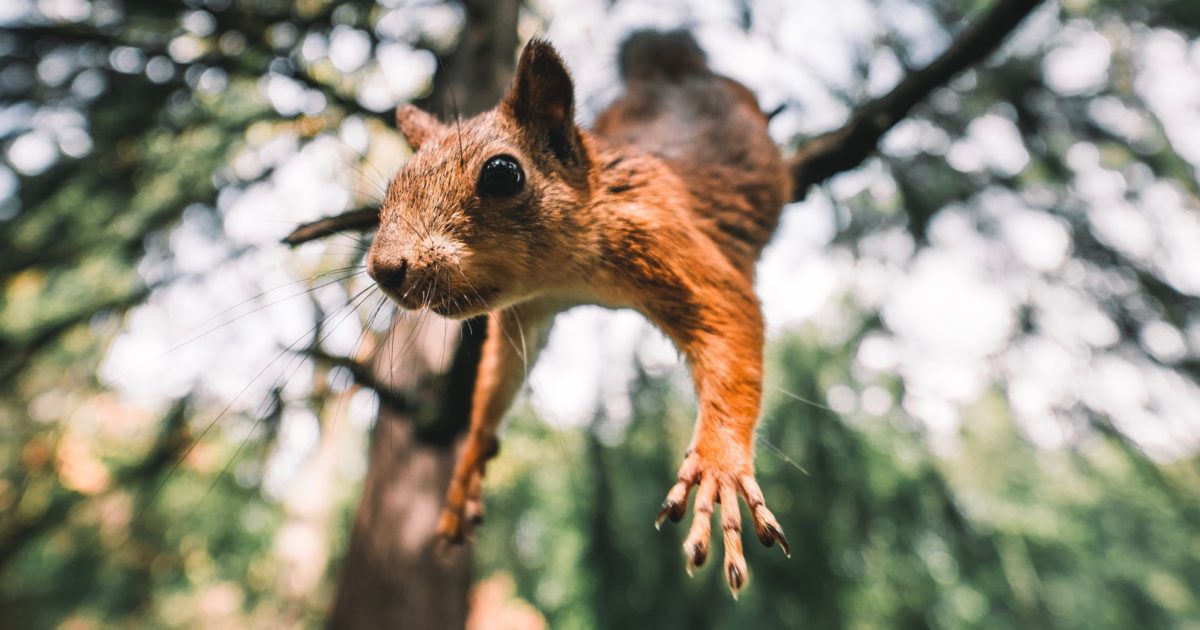
squirrel
Photo credit: Andrey Svistunov via Unsplash.

Squirrel Acrobatics Amaze Scientists

The other day, walking down a tree-lined street, we were startled by a sudden crash and scramble at our feet.  Read More ›
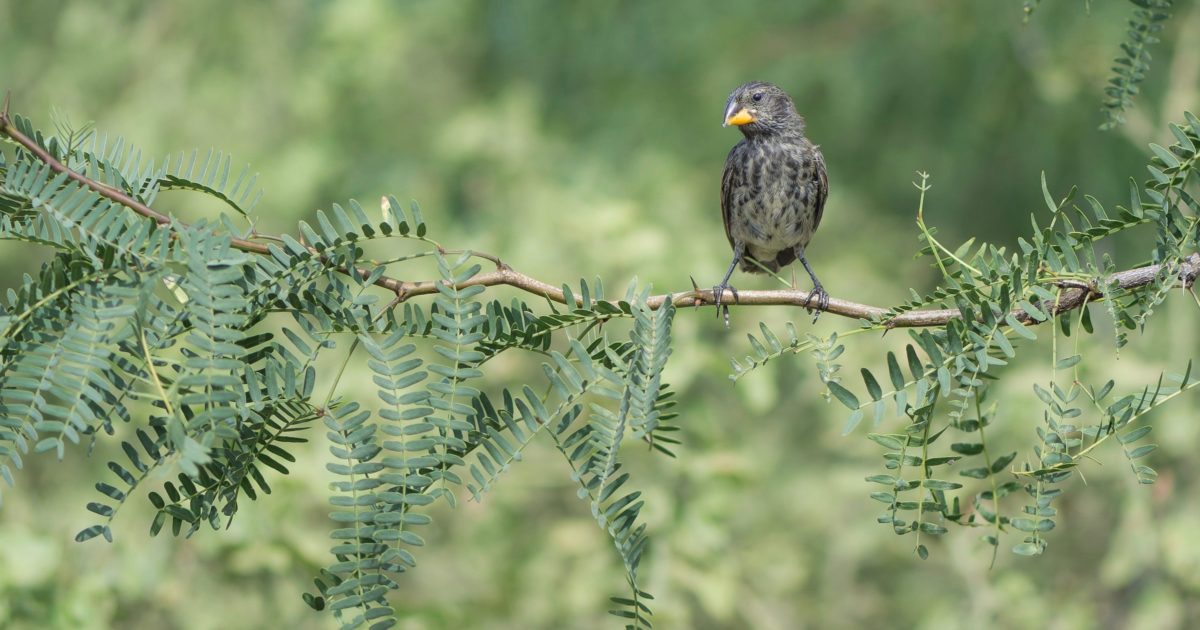
Galápagos finch
Photo: Galápagos finch, by kuhnmi, via Flickr.

Engineering Better Explains Adaptation than Evolutionary Theory
The genetic variation in any species is confined to a limited set of variables such as a finch beak’s thickness. Read More ›
diatom
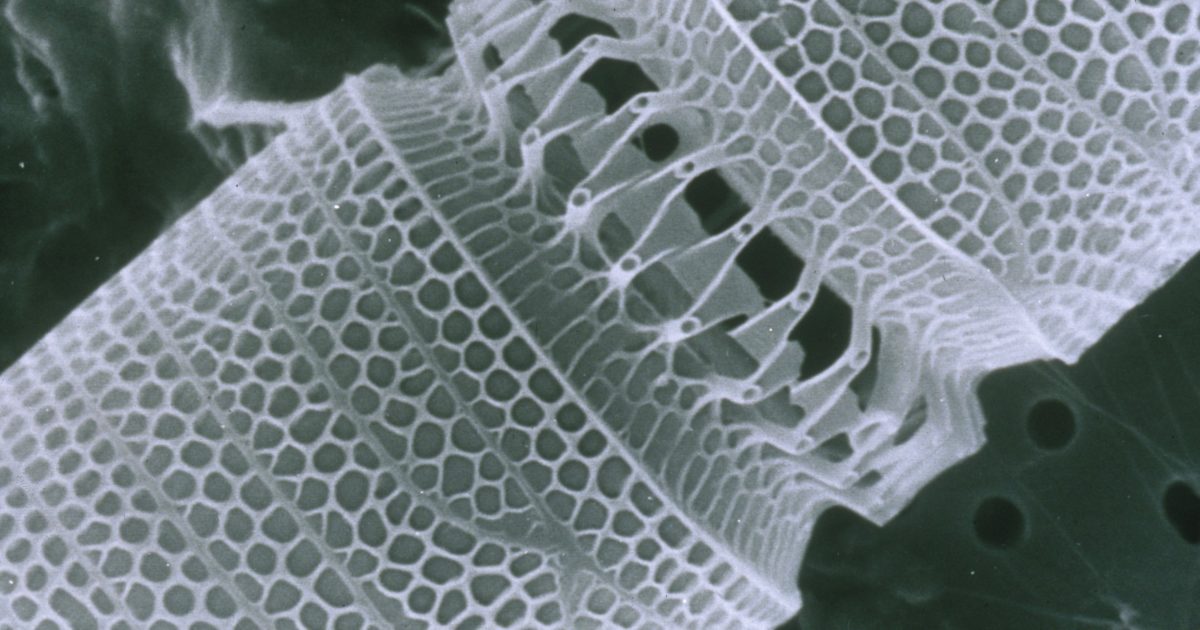
Photo credit: CSIRO, CC BY 3.0 <https://creativecommons.org/licenses/by/3.0>, via Wikimedia Commons.

Diatoms, an Evolutionary Mystery, Come into Nano-Focus
The jewels of the microbial world, when seen with new nano-scale imaging techniques, look like little modernist cathedrals. Read More ›
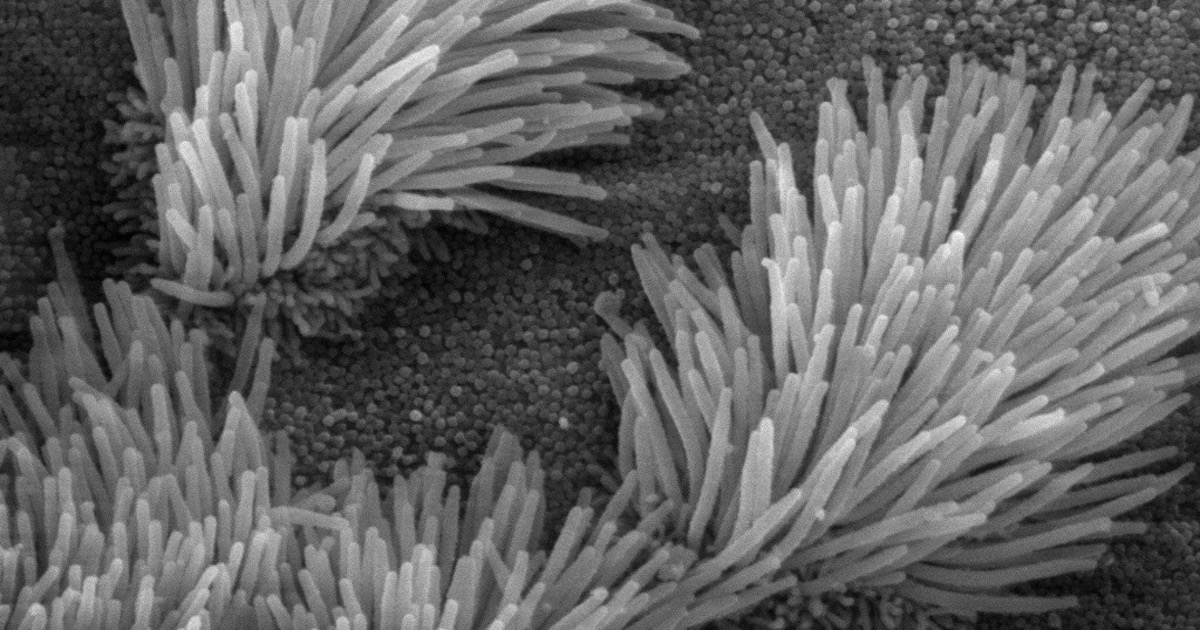
Bronchiolar_epithelium_3_-_SEM
Photo credit: Charles Daghlian, Public domain, via Wikimedia Commons.

Michael Behe and Cilia 3.0 … or, Irreducible Complexity Cubed
The once seemingly humble cilium is actually even more irreducibly complex than Dr. Behe suggested in his first book. Read More ›
bacterial-flagellum
Image credit: Illustra Media.

New Paper Investigates Engineering Design Constraints on the Bacterial Flagellum
This technique of examining biology through the eyes of engineering is not necessarily new — systems biologists have been doing it for years. Read More ›
three-spine sticklebacks
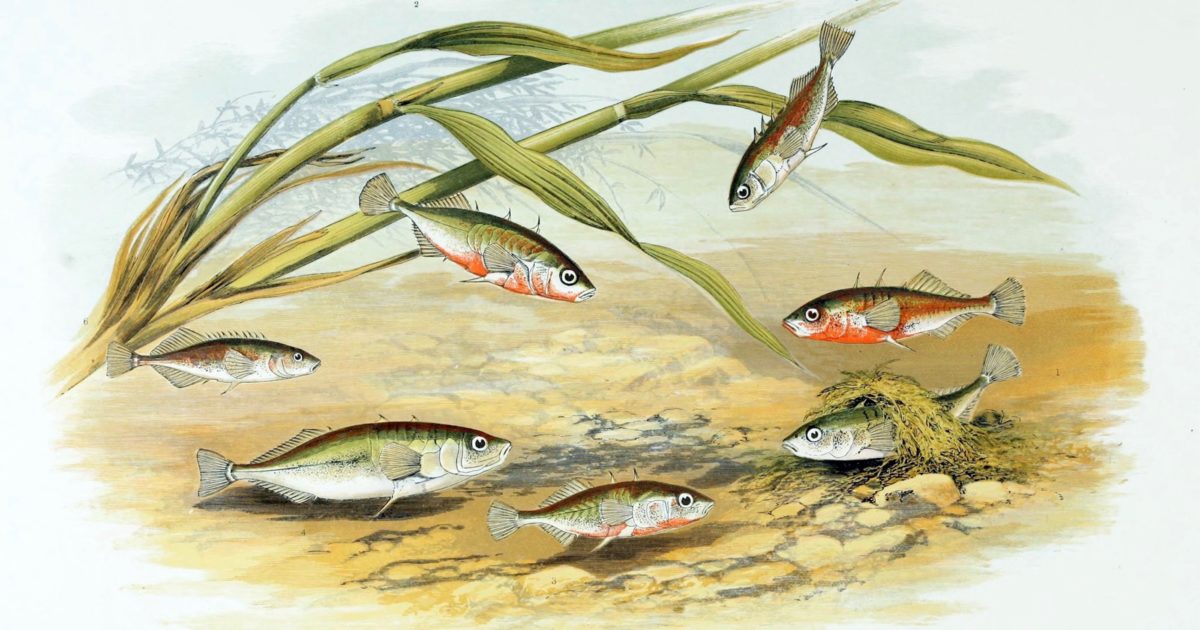
Image: Three-spine stickleback, by Alexander Francis Lydon, Public domain, via Wikimedia Commons.

Recasting Darwin Stories into Engineering Models

Darwin gets credit by default for changes in organisms that should be seen instead as engineered products of foresight. Read More ›
giraffe
Photo credit: Ryan Louderback via Unsplash.

Biology as Engineering: The Way Forward
A giraffe grows from a zygote to an 18-foot-tall adult while keeping its organs and systems coordinated. Limits to variation is a significant point to clarify. Read More ›
Lenski’s terrific LTEE
distinctions
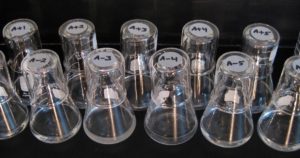
Photo: Richard Lenski’s LTEE, by Brian Baer and Neerja Hajela [CC BY-SA 1.0], via Wikimedia Commons.

Biologist Dustin Van Hofwegen Punctures Claims for Lenski’s Long-Term Evolution Experiment

Perhaps the biggest evolutionary development in the course of the experiment involved some bacteria beginning to feed on citric acid. Read More ›

© Discovery Institute