

















Science and Culture Today Discovering Design in Nature
Category

Paleontology

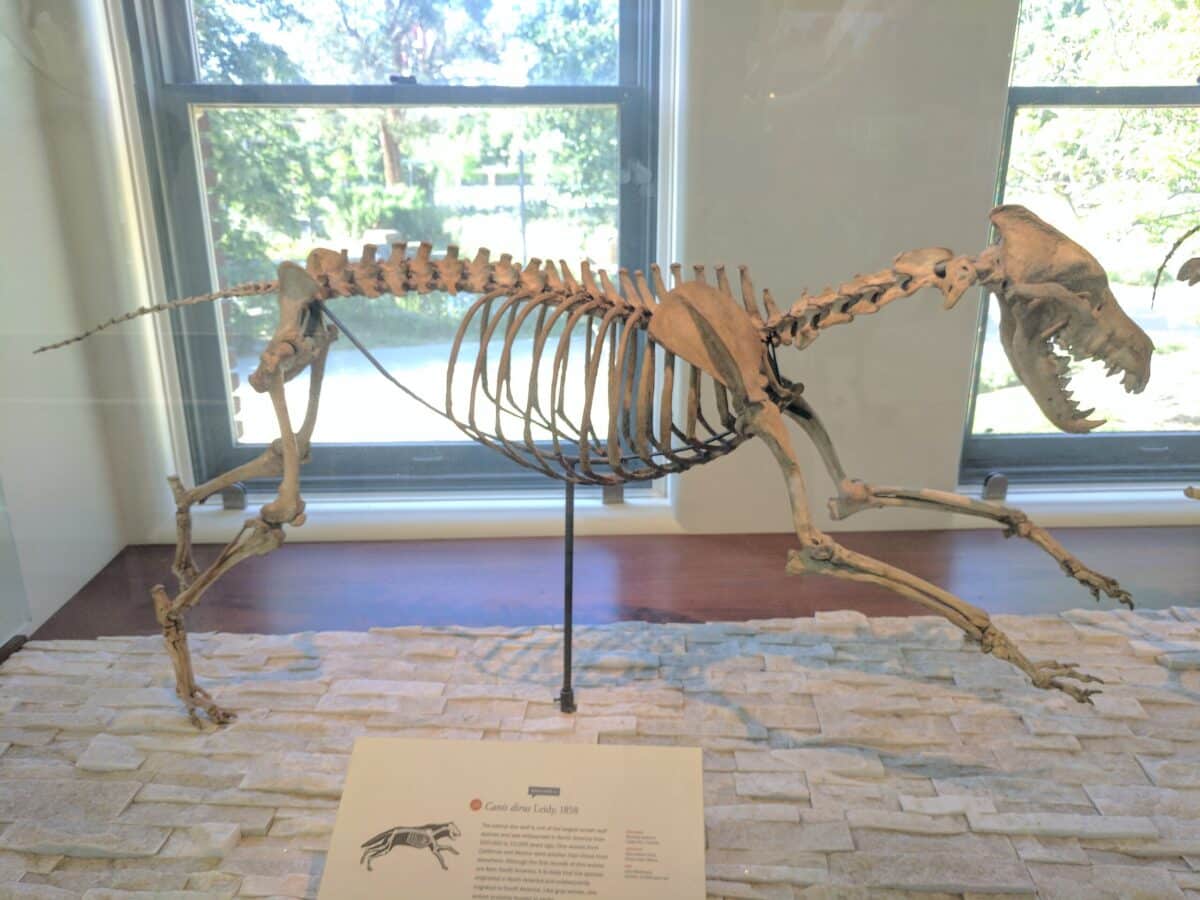
Aenocyon_skeletal_mount_NHMLA
Photo credit: Dawn Pedersen, CC BY 2.0 <https://creativecommons.org/licenses/by/2.0>, via Wikimedia Commons.

Dire Wolves Are Still Extinct

Let’s call it puffery. The company was careful to acknowledge that the dire wolf is not actually back but that the pups are “functional equivalents.” Read More ›
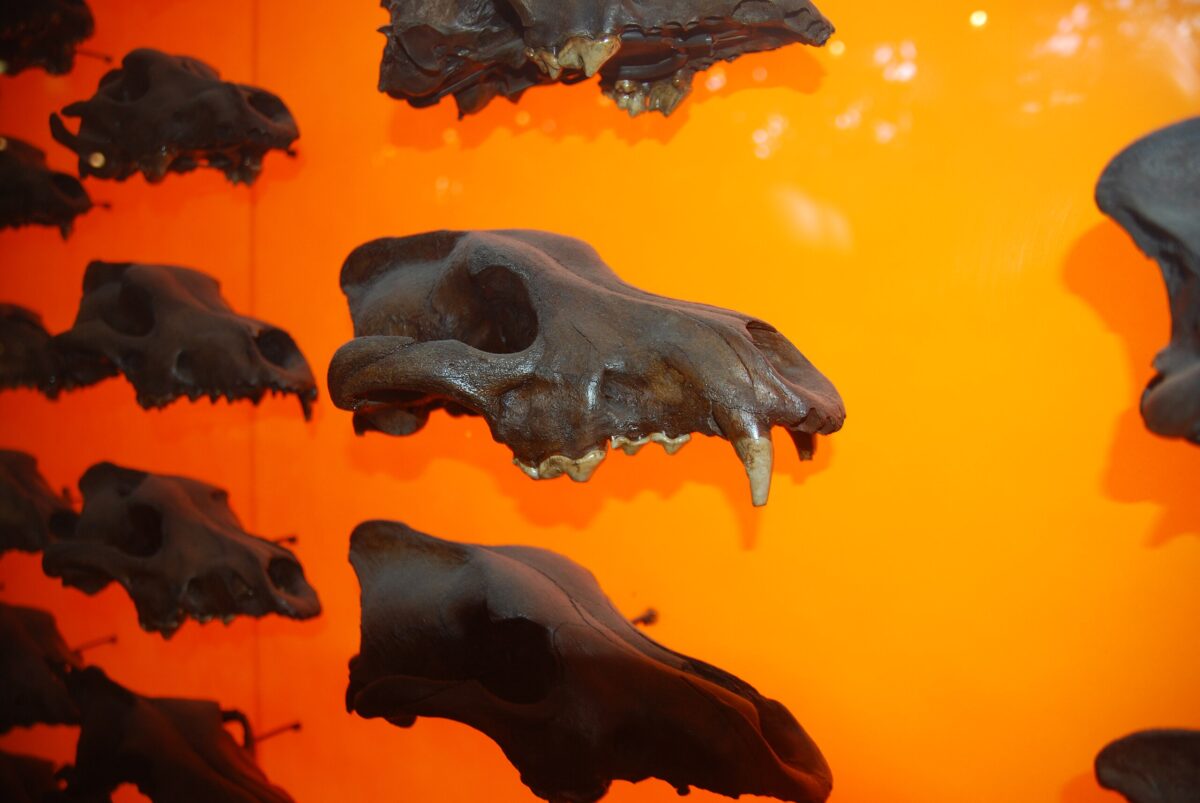
Recovered_Dire_Wolf_skulls_DSC_2019u_(23255605303)
Photo credit: Bill Abbott, CC BY-SA 2.0 <https://creativecommons.org/licenses/by-sa/2.0>, via Wikimedia Commons.

Cold Water on “Dire Wolves”

"These are not dire wolves," says evolutionary biologist Neil Shubin. "These are gray wolves with 20 edited genes." Read More ›
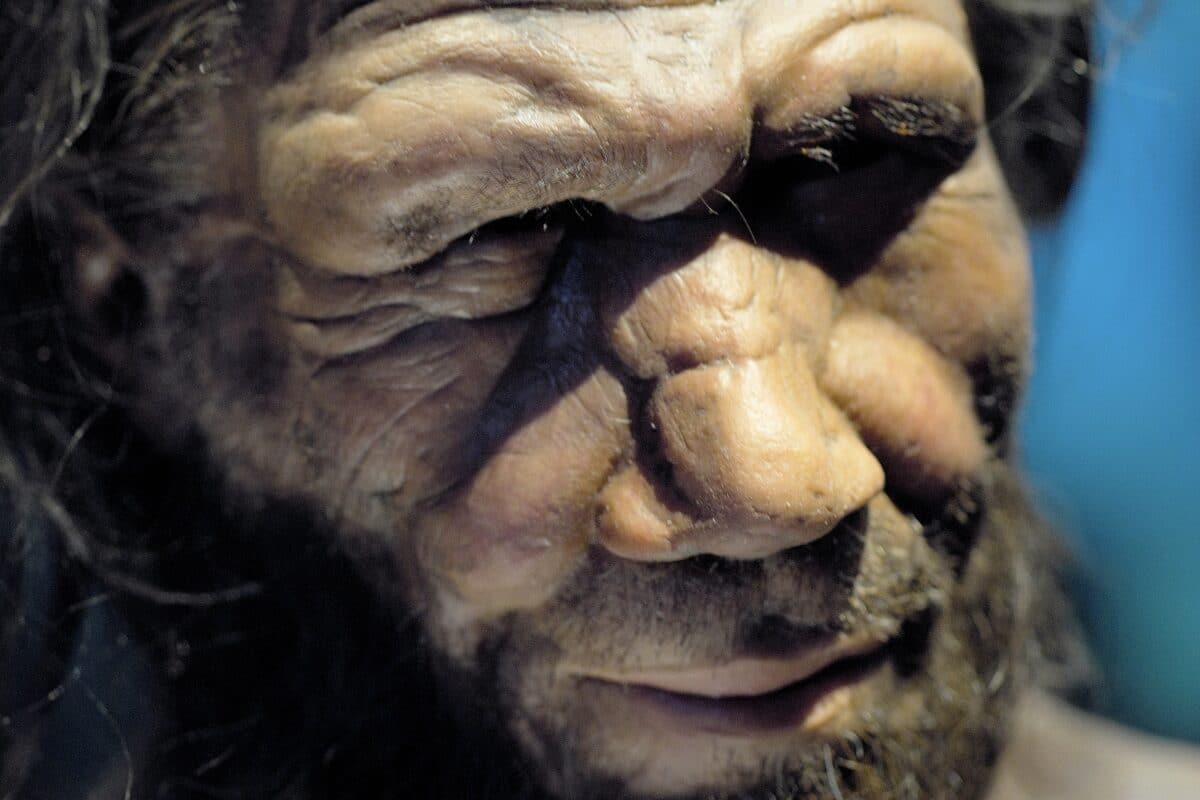
Neanderthal_man_reconstruction,_Natural_History_Museum,_London
Photo credit: Werner Ustorf, CC BY-SA 2.0 <https://creativecommons.org/licenses/by-sa/2.0>, via Wikimedia Commons.

Neanderthals Keep Getting Smarter

At one time, Neanderthals were considered stupid. Things have changed. Meanwhile, they are presenting some mysteries. Read More ›
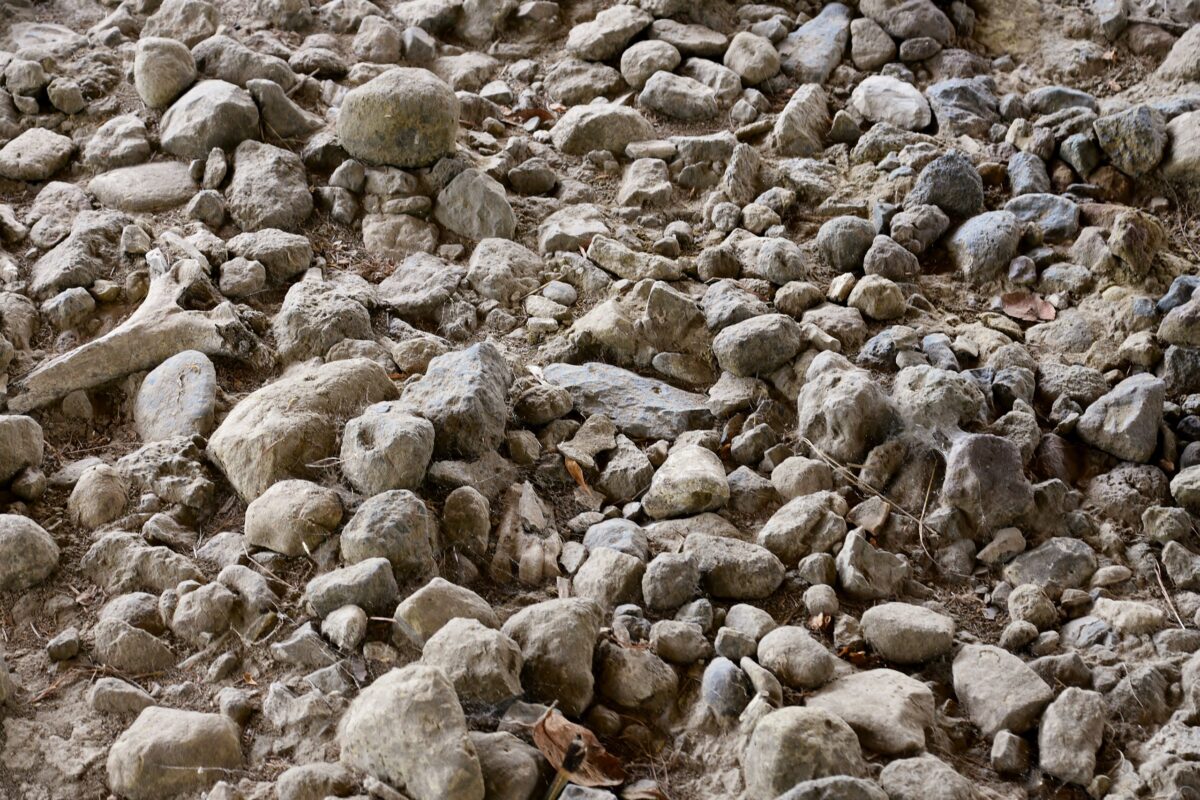
Excavation_site_at_Melka_Kunture_Prehistoric_Site,_roughly_800,000_years_before_the_present_(5)_(28838893510)
Photo: Melka Kunture, by Richard Mortel from Riyadh, Saudi Arabia, CC BY 2.0 <https://creativecommons.org/licenses/by/2.0>, via Wikimedia Commons.

How Evolutionary Theory Confuses the Study of Human History: Case of the Stone Spheres
Any state of affairs that dates to eons ago can be referred to as “evolution” even when, as in this case, the facts imply the opposite. Read More ›
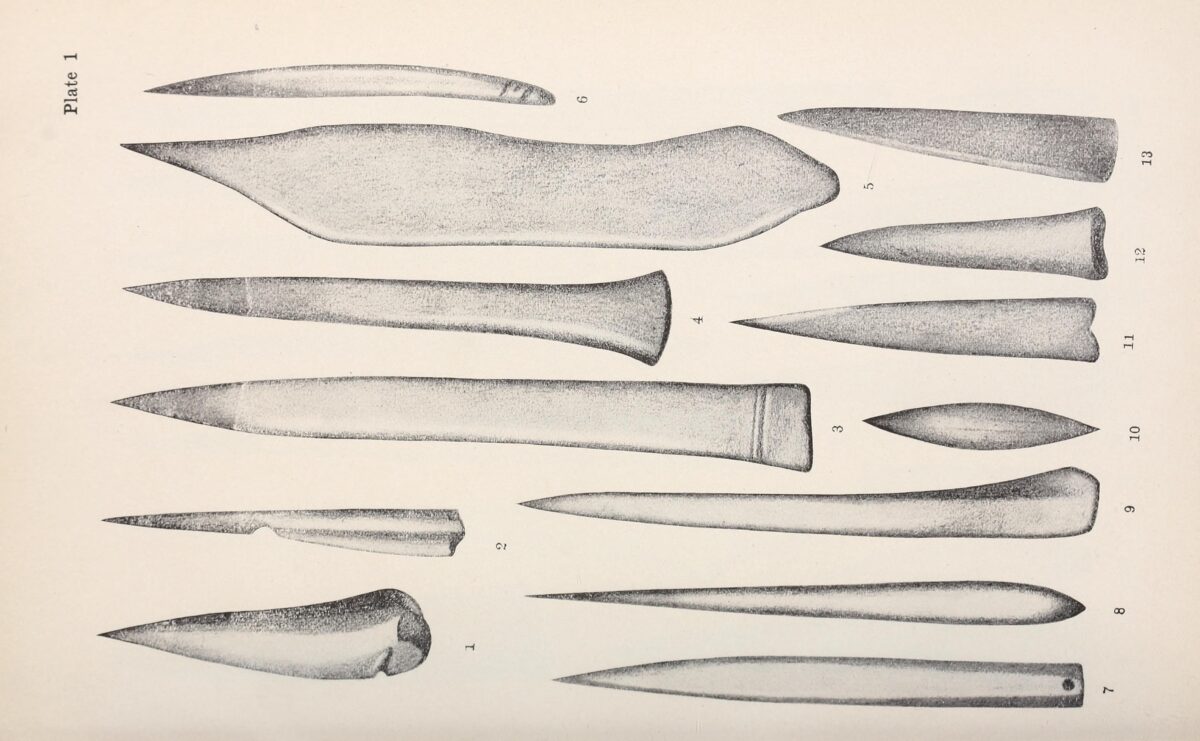
Horn_and_bone_implements_of_the_New_York_Indians_(1902)_(14780005032)
Image source: Wikimedia Commons.

Abstract Reasoning in Our Ancestors Earlier than Thought?
Researchers say, bone tools were being mass produced 1.5 million years ago in the Olduvai Gorge in Tanzania. Read More ›
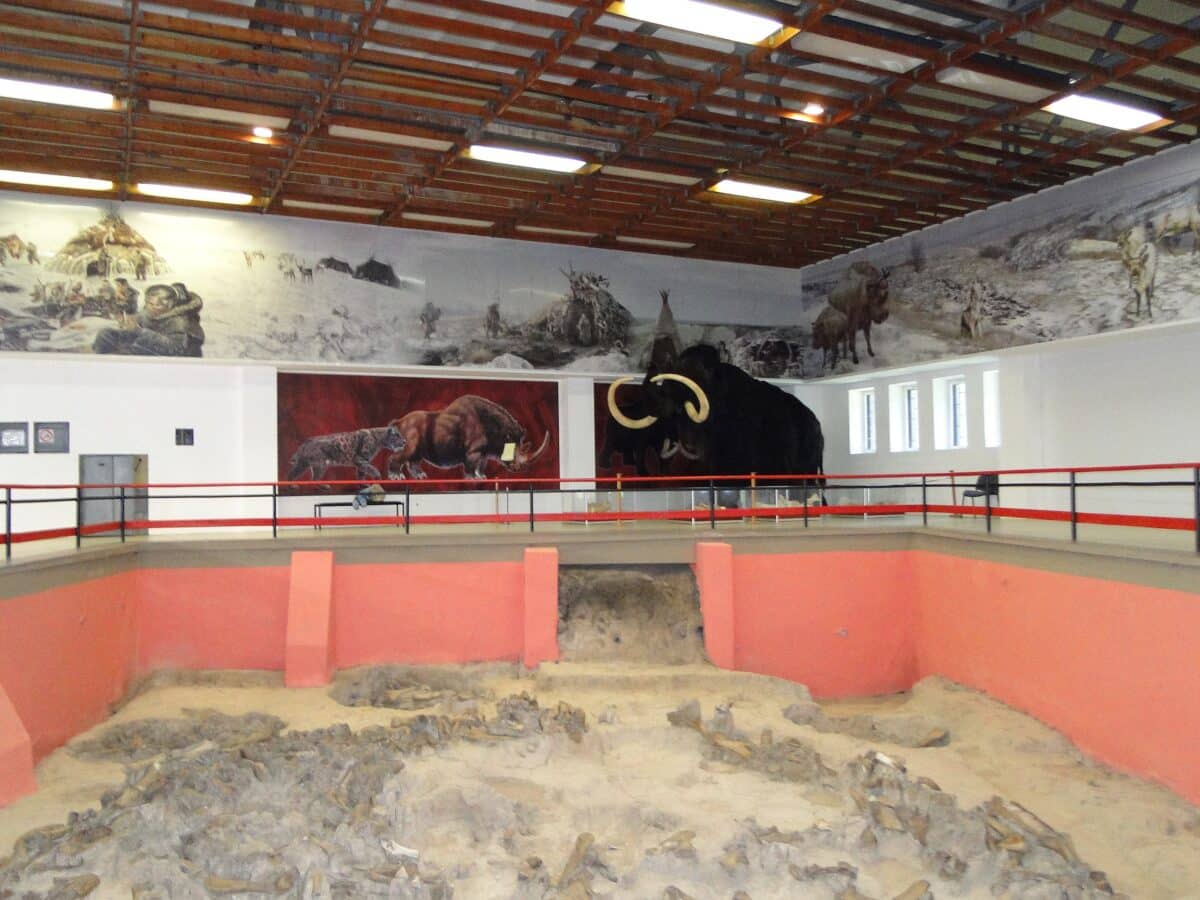
2560px-Государственный_археологический_музей-заповедник_Костенки._-_panoramio
Phot credit: Наталья Филатова, CC BY 3.0 <https://creativecommons.org/licenses/by/3.0>, via Wikimedia Commons.

Mammoth Bone Structure of 24,000 Years Ago Illuminates Stone Age
Science journalist Tibi Puiu notes, “It’s one of the most surreal ancient structures ever built — and it’s just one of over 70 found thus far.” Read More ›
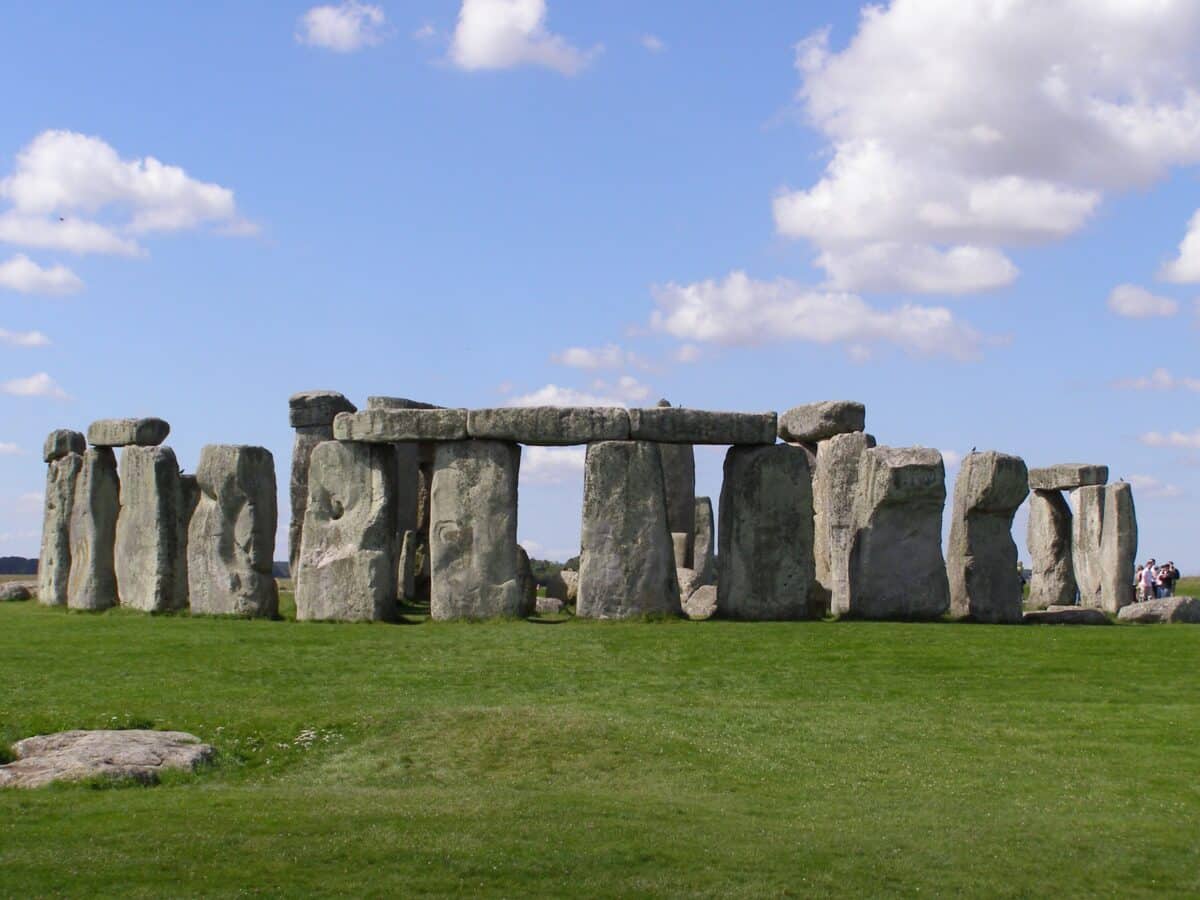
Stonehenge
Photo credit: garethwiscombe, CC BY 2.0 <https://creativecommons.org/licenses/by/2.0>, via Wikimedia Commons.

Science Writing Tries to Smash Human Exceptionalism
Stone tool use among animals versus the Stone Age provides a useful illustration of the tendency. Read More ›
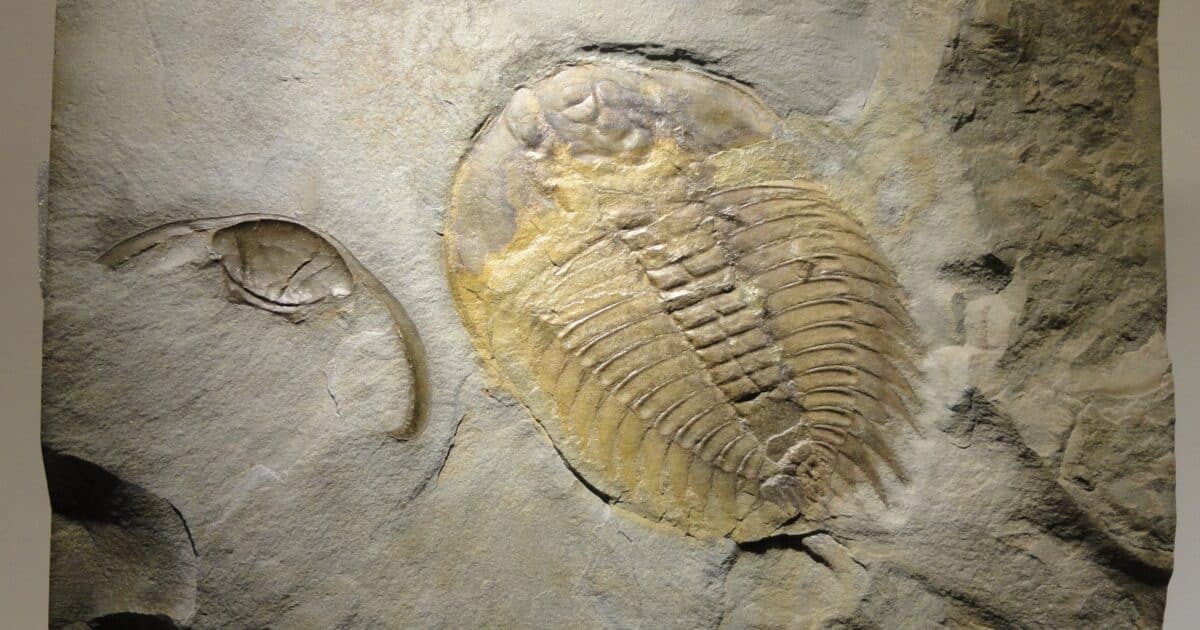
Wanneria_sp.,_Early_Cambrian,_Eager_Formation,_Cranbrook,_BC,_Canada_-_Houston_Museum_of_Natural_Science_-_DSC01398
Photo credit: Daderot, CC0, via Wikimedia Commons.

Dodging the Main Issue in the Cambrian Explosion
In three papers, scientists babble about irrelevant details but ignore the main question: the origin of new genetic information for new body plans and organs. Read More ›
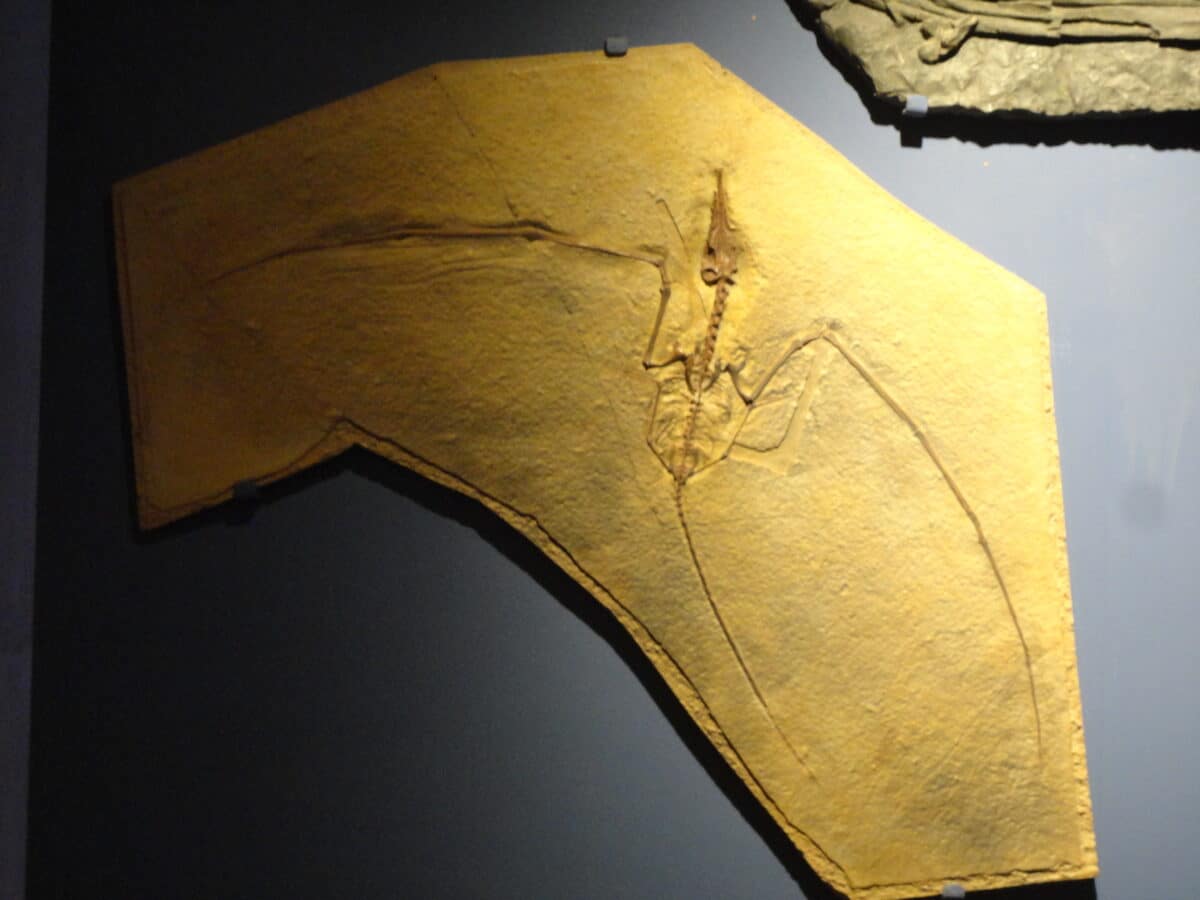
Pterosaur_fossil,_Desert_Museum.jpg
Photo credit: Juan Carlos Fonseca Mata, CC BY-SA 4.0 <https://creativecommons.org/licenses/by-sa/4.0>, via Wikimedia Commons.

Magical Thinking: Can Pterosaurs Be Darwinized?
Neil Thomas has written about “Evolutionary Theory as Magical Thinking” and there is no shortage of examples in the literature on fossils. Read More ›
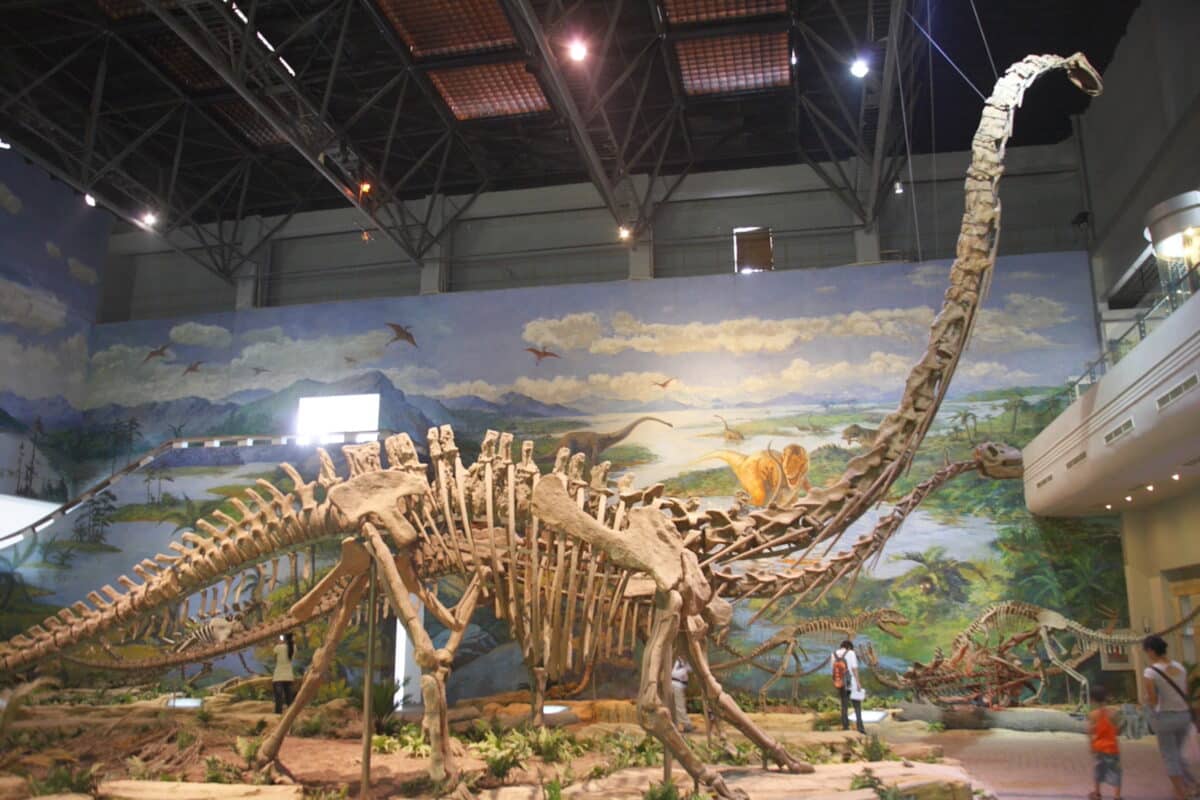
Sauropods
Photo: Skeletal Reconstruction of <I>Mamenchisaurus youngi</I>, though other sources speak of the very closely related <I>Omeisaurus</I>, in the Dinosaur Museum of Zigong, by Einar Fredriksen, CC BY-SA 2.0 <https://creativecommons.org/licenses/by-sa/2.0>, via Wikimedia Commons.

Günter Bechly on Life’s Sudden Information Explosions

“There’s no reasonable way,” Bechly concludes, “to get from bacteria to mammals via evolutionary processes.” Read More ›

© Discovery Institute