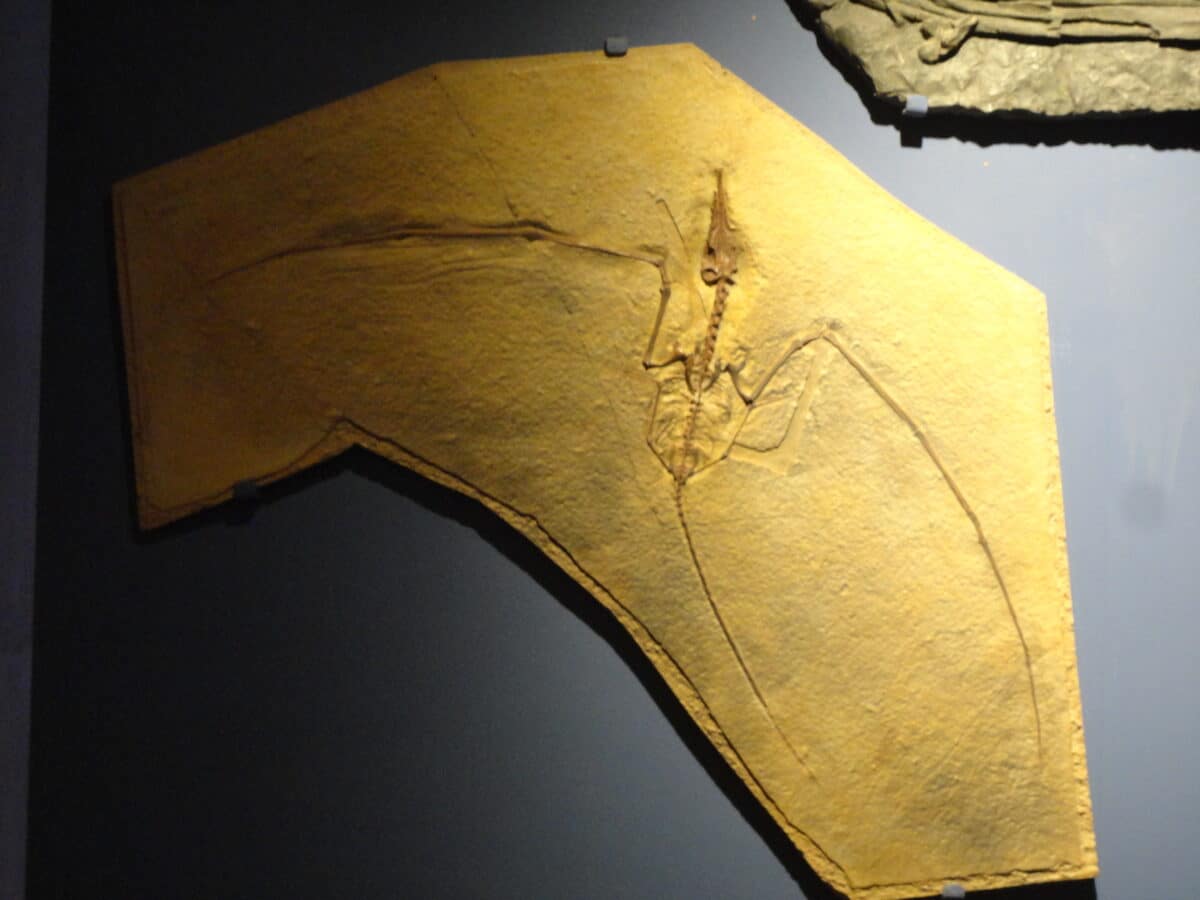
Pterosaur_fossil,_Desert_Museum.jpg Type post Author David Coppedge Date January 28, 2025 CategoriesEvolutionPaleontology Tagged , bats, BBC News, birds, Boeing 747, Current Biology, fossils, gigantism, Günter Bechly, magic, mutations, Neil Thomas, Origin, paleontologists, pterosaurs, Scleromochlus, selection, The Conversation, University of Edinburgh, University of Leicester, University of Portsmouth Magical Thinking: Can Pterosaurs Be Darwinized? David Coppedge January 28, 2025 Evolution, Paleontology 8 Neil Thomas has written about “Evolutionary Theory as Magical Thinking” and there is no shortage of examples in the literature on fossils. Read More ›
chimp Type post Author Denyse O’Leary Date November 9, 2024 CategoriesHuman Origins and AnthropologyNeuroscience & Mind Tagged , brain, chimpanzees, human language, languages, monkeys, neuroscience, University of Portsmouth A Mystery: How Human Languages Came to Exist Denyse O’Leary November 9, 2024 Human Origins and Anthropology, Neuroscience & Mind 5 Neuroscientists wrestle with human language even more than poets or (for example) English majors do. Read More ›
Mount Rushmore Type post Author David Coppedge Date November 9, 2023 CategoriesIntelligent DesignLife Sciences Tagged , Amazonia, beavers, forests, Harvard University, Mount Rushmore, New Scientist, New York University, North Africa, PNAS, Rube Goldberg, Science (journal), The Design Inference, University of Portsmouth, William A. Dembski, Winston Ewert Ahead of New Book Edition, Geoglyphs and Natural Features Test Dembski’s Design Inference David Coppedge November 9, 2023 Intelligent Design, Life Sciences 9 Designed features can hide in plain sight. A closer look can sometimes reveal the intentional acts of a mind. Read More ›
mantid Type post Date October 22, 2020 CategoriesIntelligent Design Tagged , bacteria, Darwinism, deception, drugs, Forensics, gravity, humans, Jerry Coyne, lying, Mount Rushmore, Return of the God Hypothesis, Royal Society, Stephen Meyer, University of Portsmouth, Why Evolution Is True, William A. Dembski Design Filter Is Best Bet for Finding Liars Science & Culture October 22, 2020 Intelligent Design 8 Not all intelligent design is benevolent. Design can deceive. Can ID techniques filter the true from the false? Read More ›
Contortionist,_posed_in_studio,_ca._1880 Type post Author David Klinghoffer Date January 29, 2020 CategoriesOrigin of LifePhysical SciencesPhysics Tagged , __edited, Big Think, biological information, category error, consciousness, cosmos, Dallas Conference on Science & Faith, dark matter, Denyse O'Leary, Evolution News, gas, information, intelligent design, John Archibald Wheeler, Mass, mass-energy, materialism, Mind Matters, natural world, Robert J. Marks II, University of Portsmouth, William A. Dembski Information as Matter’s “Fifth State” — A Physicist’s Contortion David Klinghoffer January 29, 2020 Origin of Life, Physical Sciences, Physics 4 Dark matter is the unknown substance thought to make up some 27 percent of the universe. It can’t be observed but only theorized. Read More ›