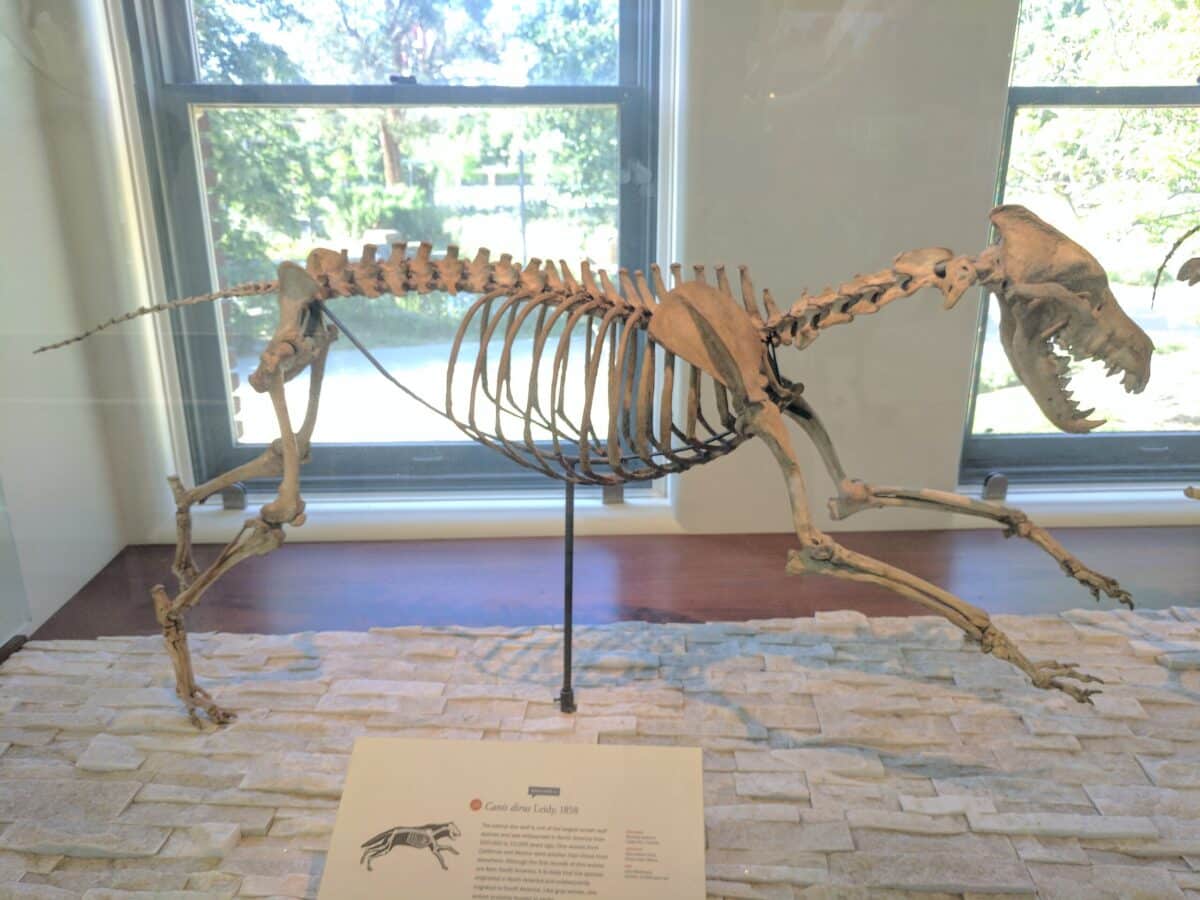
Aenocyon_skeletal_mount_NHMLA Type post Author Wesley J. Smith Date April 9, 2025 CategoriesArchaeologyPaleontologyScience ReportingTechnology Tagged , base pairs, biotech, clicks, Colossal Biosciences, de-extinction, dire wolves, elephant, fur, gene editing, gray wolves, headlines, media, New Scientist, woolly mammoth Dire Wolves Are Still Extinct Wesley J. Smith April 9, 2025 Archaeology, Paleontology, Science Reporting, Technology 3 Let’s call it puffery. The company was careful to acknowledge that the dire wolf is not actually back but that the pups are “functional equivalents.” Read More ›
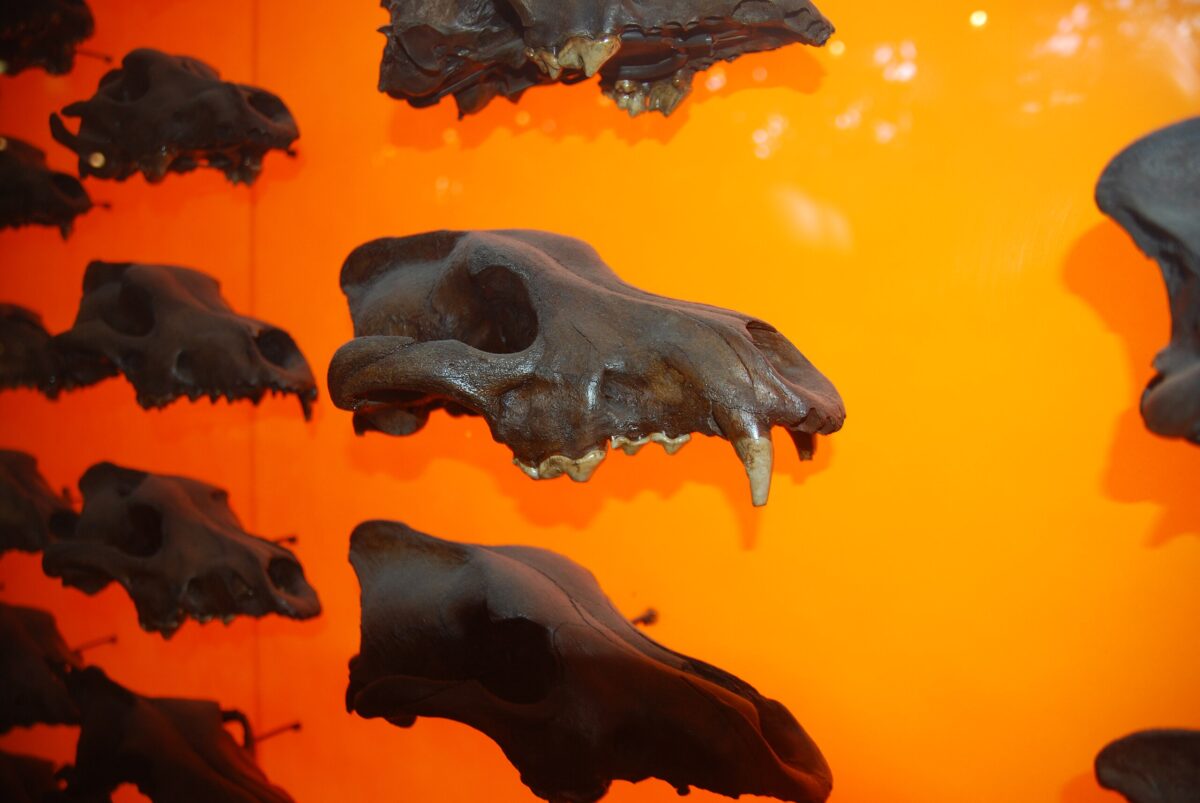
Recovered_Dire_Wolf_skulls_DSC_2019u_(23255605303) Type post Author David Klinghoffer Date April 9, 2025 CategoriesArchaeologyIntelligent DesignPaleontology Tagged , biology, Colossal Biosciences, de-extinction, dire wolves, evolutionary biologists, genes, gray wolves, immaterial genome, Neil Shubin, Richard Sternberg, USA Today Cold Water on “Dire Wolves” David Klinghoffer April 9, 2025 Archaeology, Intelligent Design, Paleontology 2 "These are not dire wolves," says evolutionary biologist Neil Shubin. "These are gray wolves with 20 edited genes." Read More ›
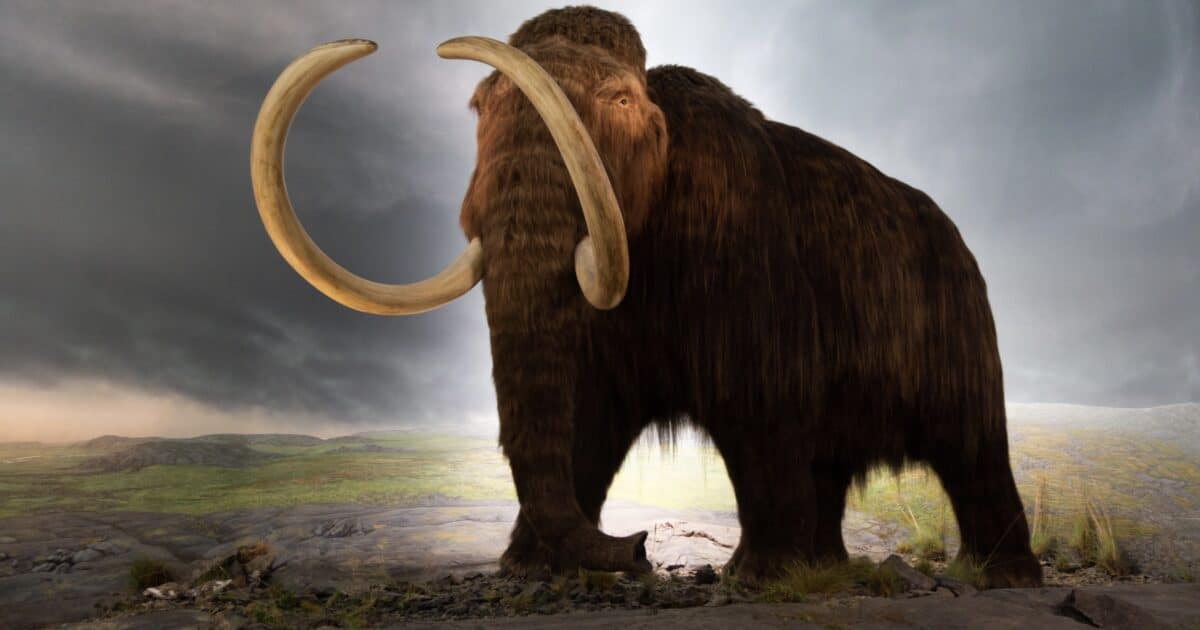
Mammoth Type post Author Rob Sheldon Date April 5, 2023 CategoriesEcologyEvolutionPaleontology Tagged , “consensus science”, bison, Brave New World, carbon dioxide, CRISPR-Cas9, de-extinction, DNA, elephants, epigenetics, extinction, global warming, Great Lakes, Ice Age, marsupials, methane, North America, Pleistocene, settled science, Siberia, South Africa, The Atlantic Pleistocene Park: What Could Possibly Go Wrong? Rob Sheldon April 5, 2023 Ecology, Evolution, Paleontology 6 The idea is to recreate some of the DNA from the sequencing of frozen mammoths, and inject it into an Asian elephant egg. Read More ›