






































Science and Culture Today Discovering Design in Nature
Category

Paleontology

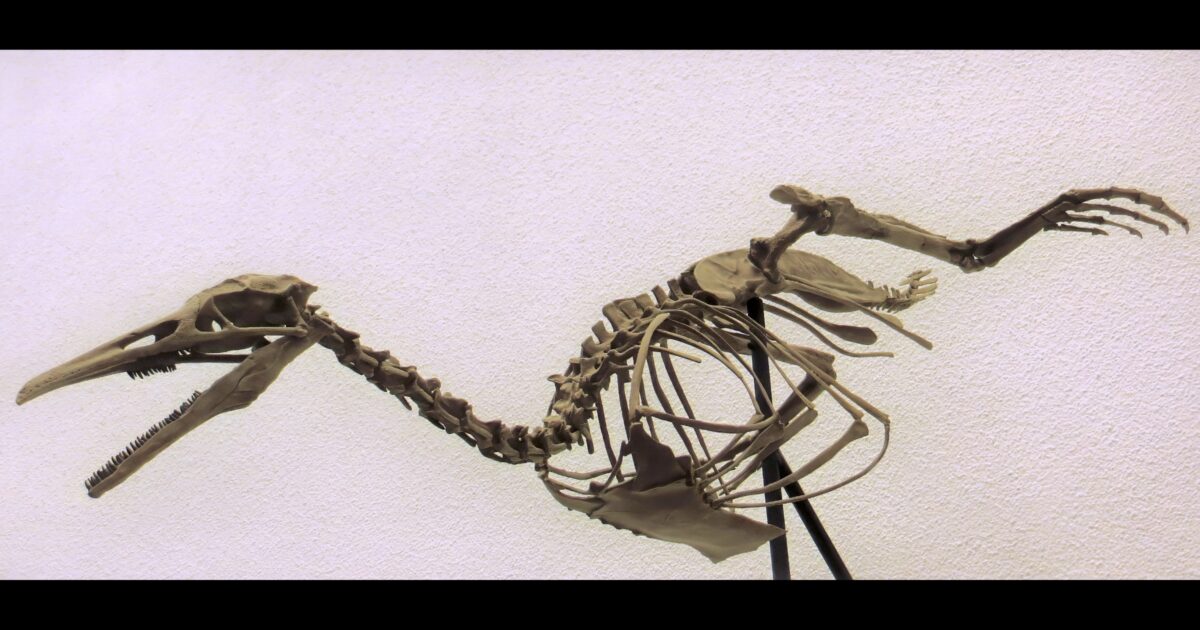
Hesperornis skeleton
Photo: Hesperornis skeleton, Ghedoghedo via Wikimedia, CC BY-SA 4.0.

Fossil Friday: New Evidence Against Dinosaur Ancestry of Birds

Few hypotheses in evolutionary biology have become as popular among lay people as the postulated ancestry of birds from bipedal dinosaurs. Read More ›
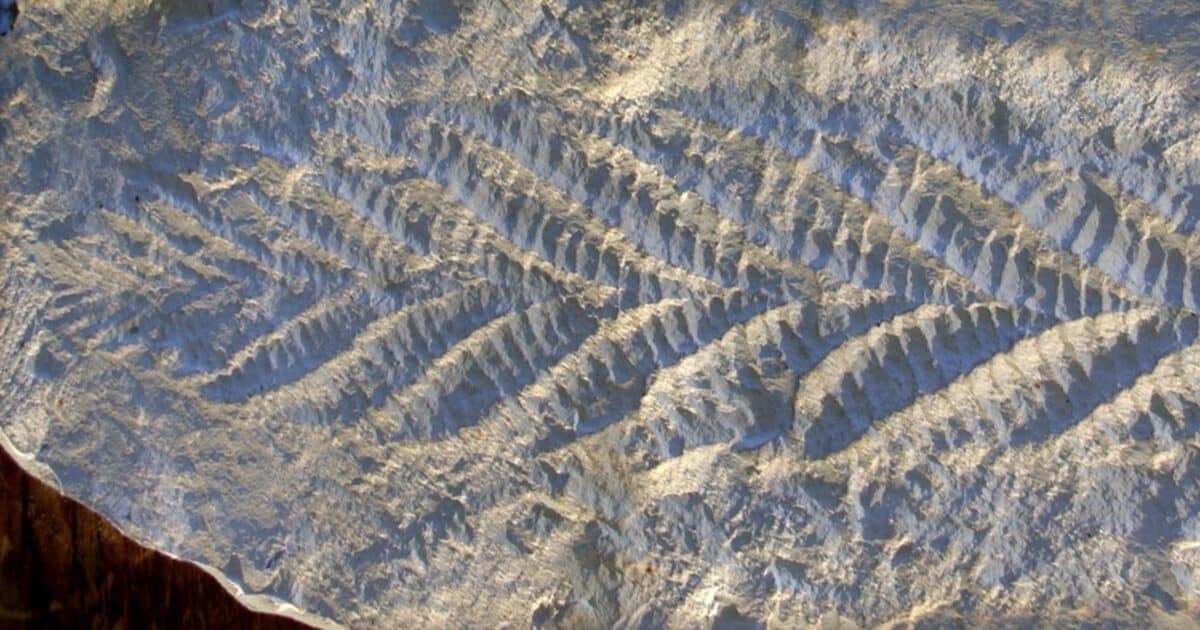
Charnia-masoni
Photo: Charnia masoni, by Verisimilus at English Wikipedia, CC BY-SA 3.0 <http://creativecommons.org/licenses/by-sa/3.0/>, via Wikimedia Commons.

No. 3 Story of 2023: Textbook Wisdom on Origin of Multicellular Life Turns Out to Be Wrong
Incidentally, a few days ago I received a message from my paleobiologist colleague Dr. Ken Towe, a retired senior scientist at the Smithsonian Institution. Read More ›
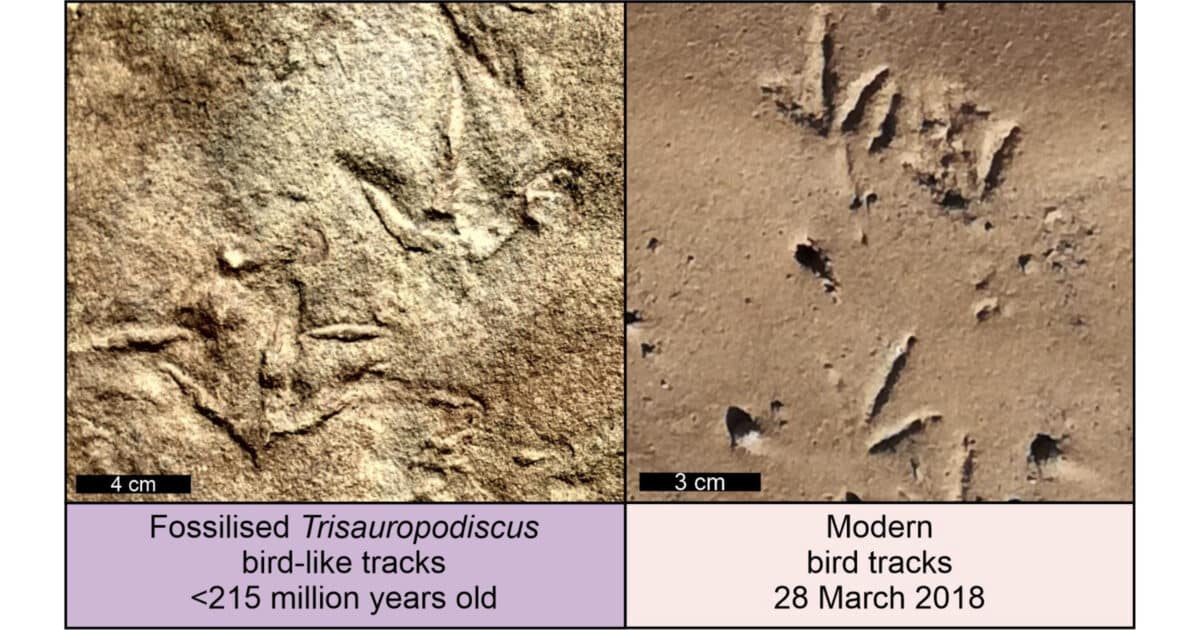
bird tracks
Photo: Trisauropodiscus and bird tracks, Abrahams et al., CC-BY-4.0.

Fossil Friday: Fossil Bird Tracks Expand the Temporal Paradox
The origin of birds involves a severe problem for Darwinists, which paleo-ornithologist Alan Feduccia has called a temporal paradox. Read More ›
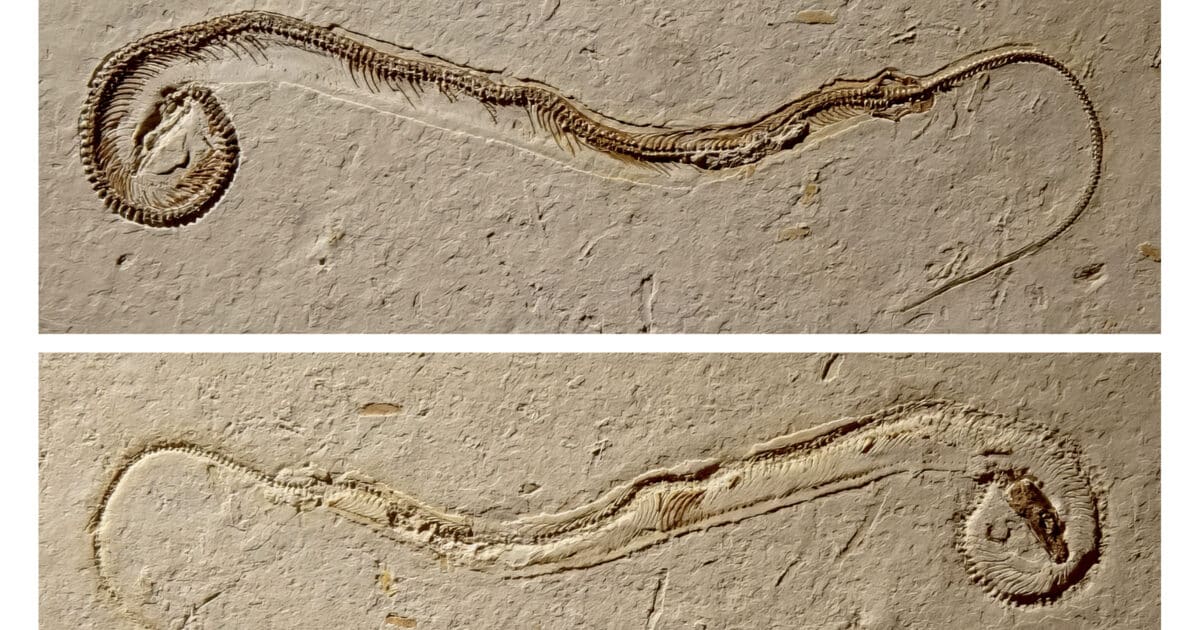
Tetrapodophis
Image: Tetrapodophis, photo Tischlinger in Gramling 2016, fair use.

Fossil Friday: Is the Four-Legged Snake Tetrapodophis a Missing Link or Not?
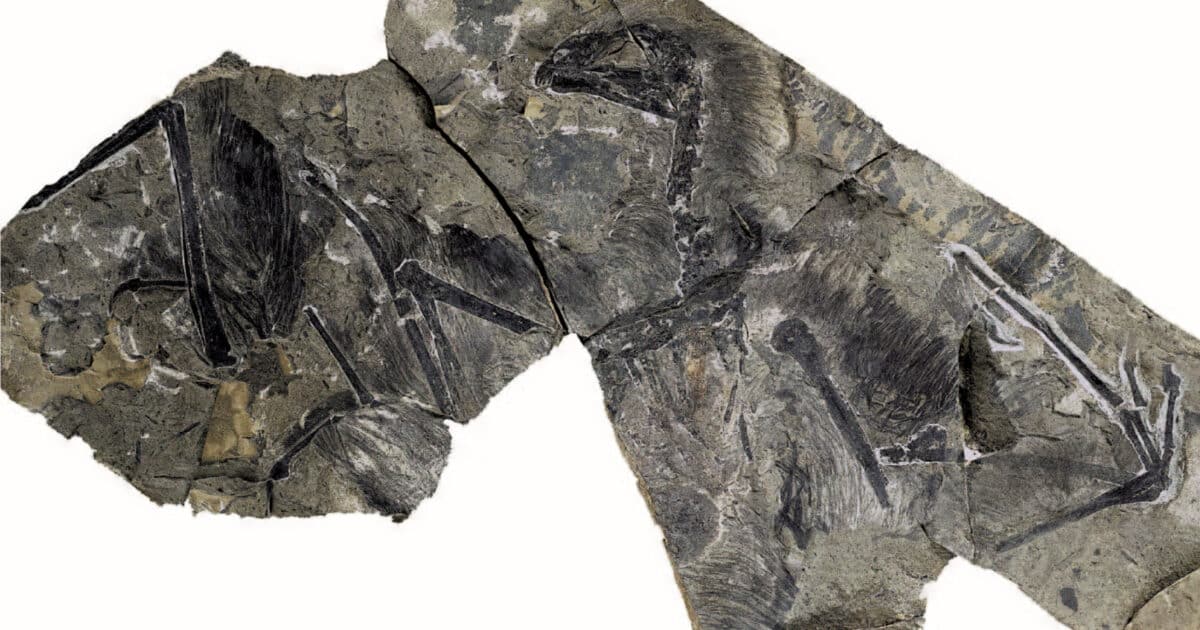
There should have existed transitional forms, which exhibit at least some typical features of basal snake anatomy. Read More ›
Scansoriopterygidae
Photo credit: i qi, Xu et al. 2015 fig. 1a, fair use.

Fossil Friday: Scansoriopterygidae, Bizarre Bird-Like Dinosaurs, Illustrate Darwinist Trickery
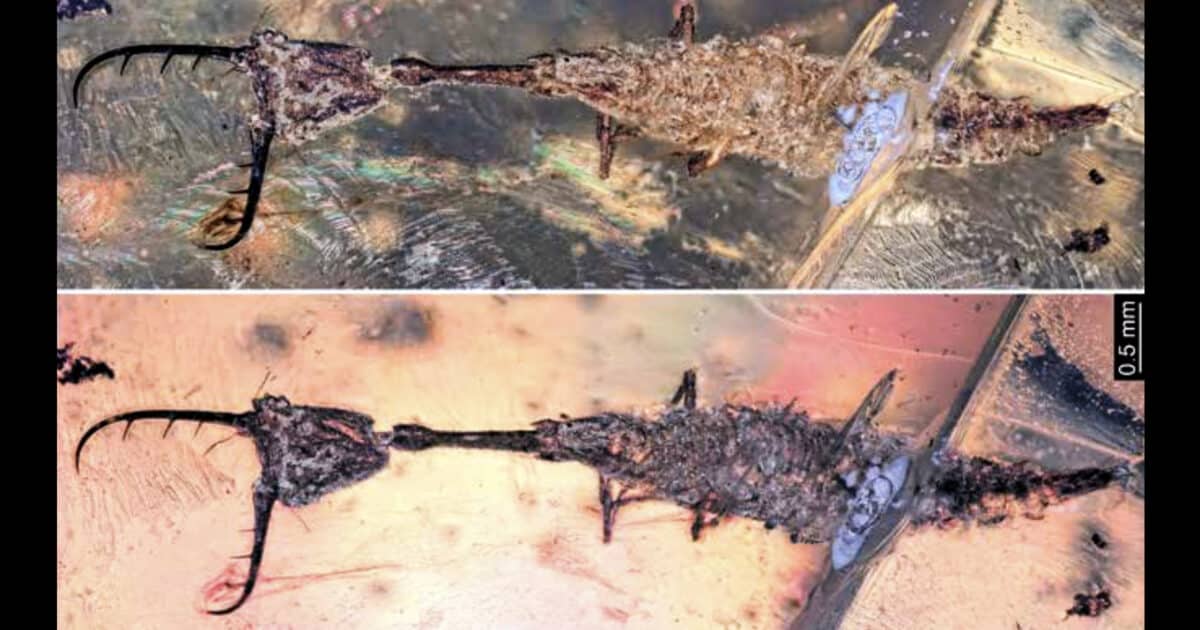
Common descent is assumed and the evidence interpreted accordingly, rather than common descent being deduced from the evidence. Read More ›
chimera
Photo: Neuropteran larva from Burmese amber, Haug et al. 2019 fig. 1, fair use.

Fossil Friday: Cretaceous Insect Chimera Illustrates a Design Principle
Why does this fossil insect specimen have implications for intelligent design? The reason lies in the striking convergences it exhibits. Read More ›
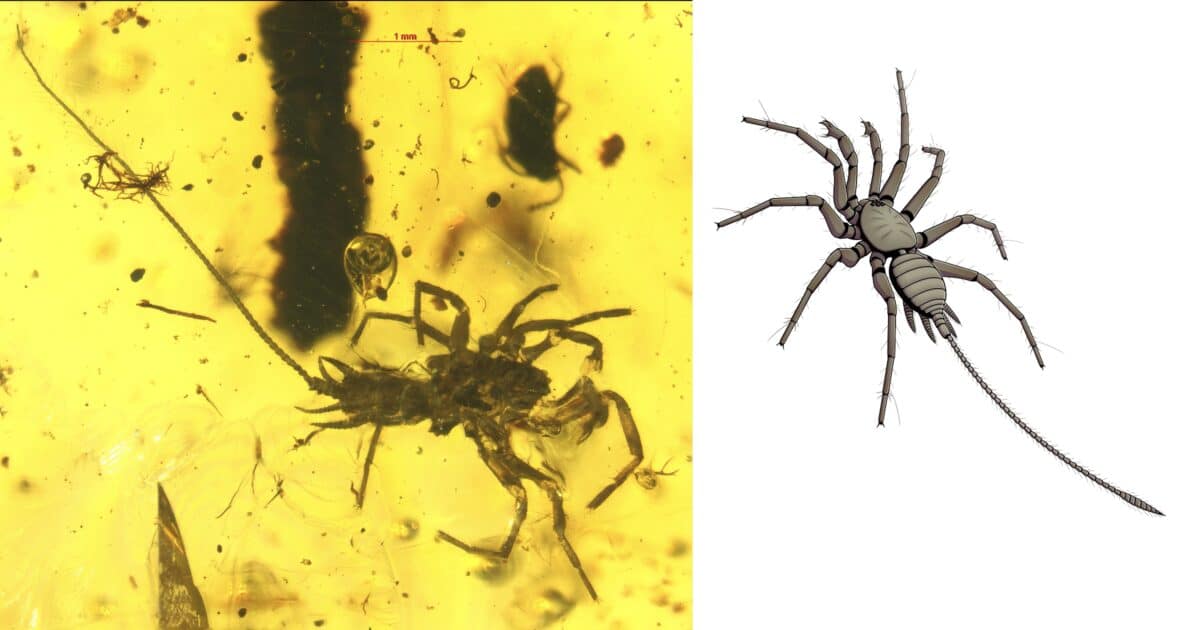
Chimerarachne yingi
Images: Chimerarachne yingi, Gonzalo Giribet and Junnn11 via Wikimedia, CC0 1.0 and CC BY-SA 4.0 DEED Sources: https://commons.wikimedia.org/wiki/File:M466395.jpg https://commons.wikimedia.org/wiki/File:20200828_Chimerarachne_yingi.png.

Fossil Friday: The Mess of Arachnid Phylogeny, and Why I’ve Become More Skeptical of Common Descent

True skeptics should question everything, and not just everything apart from Darwinism and materialism. Read More ›
Cambrian Bryozoa
Photo: Fossil bryozoan, Carboniferous of Ohio, James St. John via Wikimedia, CC BY 2.0 DEED.

Fossil Friday: Cambrian Bryozoa Come and Go
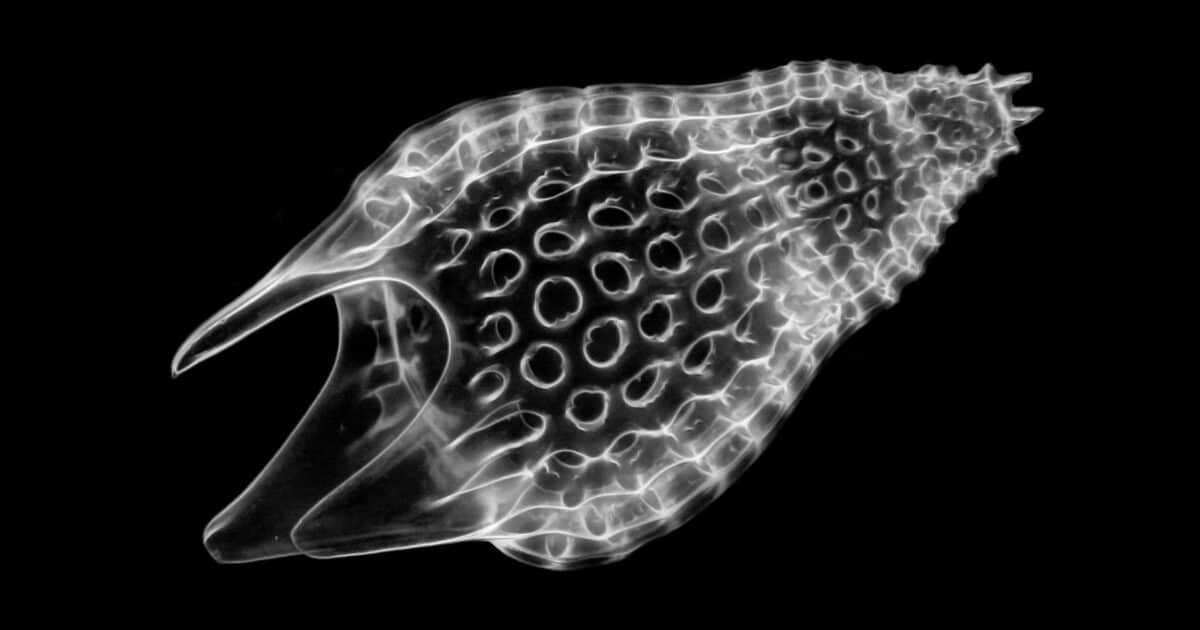
This is a field that often has more in common with the interpretation of inkblots in Rorschach tests than with hard science. Read More ›
protist
Photo credit: Andreas Drews, CC BY 2.0 <https://creativecommons.org/licenses/by/2.0>, via Wikimedia Commons.

Fossil Friday: Protists Add to the Cambrian Explosion
Not even the tiniest and most abundant organisms seem to confirm the gradualist predictions of Darwinian evolution. Read More ›
Homo naledi
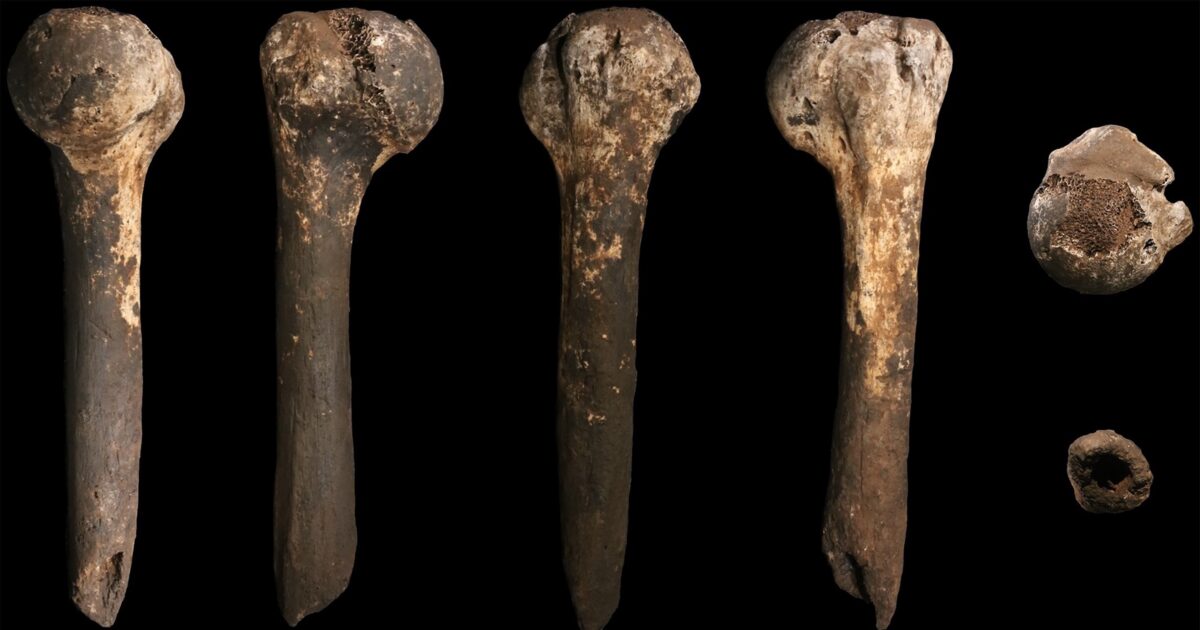
Photo: A femur, by John Hawks, Marina Elliott, Peter Schmid, Steven E. Churchill, Darryl J. de Ruiter, Eric M. Roberts, Hannah Hilbert-Wolf, Heather M. Garvin, Scott A. Williams, Lucas K. Delezene, Elen M. Feuerriegel, Patrick Randolph-Quinney, Tracy L. Kivell, Myra F. Laird, Gaokgatlhe Tawane, Jeremy M. DeSilva, Shara E. Bailey, Juliet K. Brophy, Marc R. Meyer, Matthew M. Skinner, Matthew W. Tocheri, Caroline VanSickle, Christopher S. Walker, Timothy L. Campbell, Brian Kuhn, Ashley Kruger, Steven Tucker, Alia Gurtov, Nompumelelo Hlophe, Rick Hunter, Hannah Morris, Becca Peixotto, Maropeng Ramalepa, Dirk van Rooyen, Mathabela Tsikoane, Pedro Boshoff, Paul H.G.M. Dirks, Lee R. Berger, CC BY 4.0 <https://creativecommons.org/licenses/by/4.0>, via Wikimedia Commons.

Journal Rejects Claims that Homo naledi Buried Dead, Made Rock Art, Used Fire

Researchers, led by Lee Berger, had claimed in a Netflix documentary that the species buried its dead, used fire, used tools, and made rock art. Read More ›

© Discovery Institute