

































Science and Culture Today Discovering Design in Nature
Author

Stephen J. Iacoboni

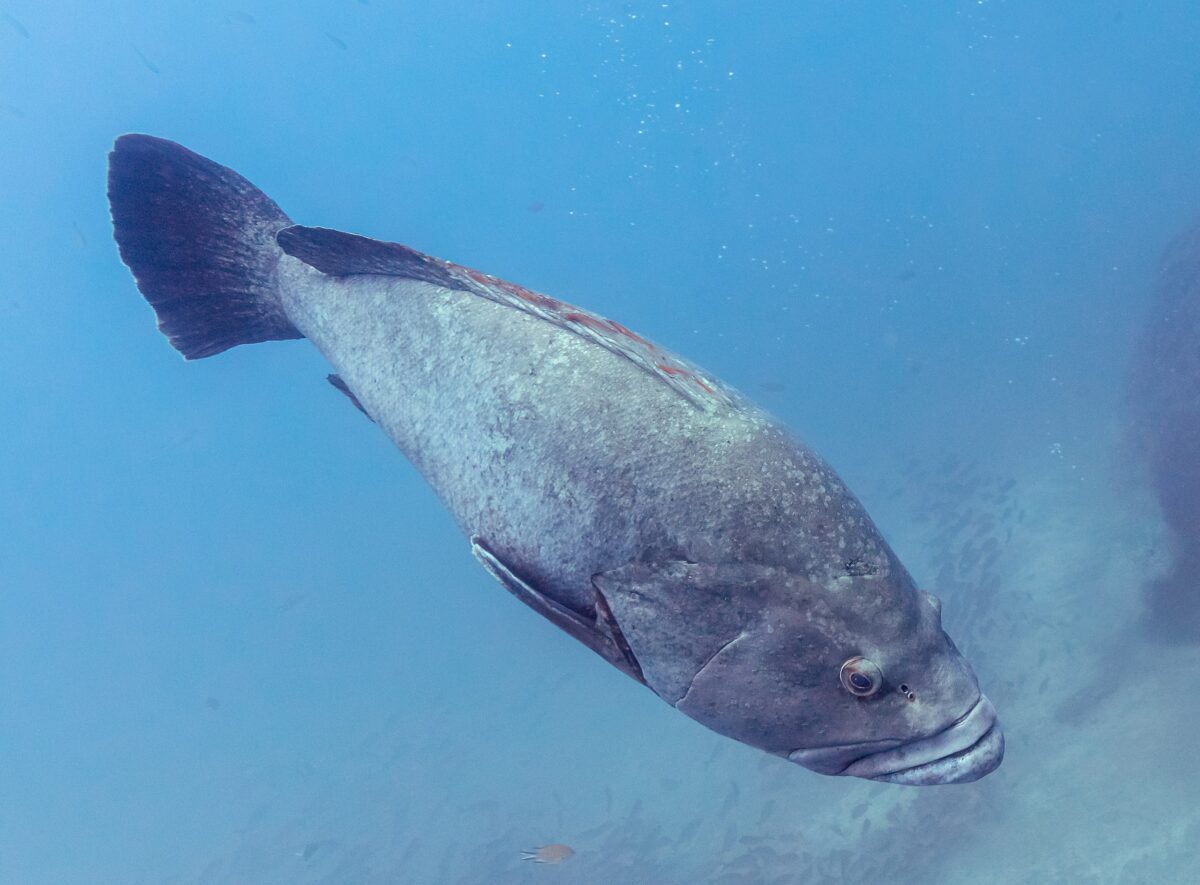
2560px-Mero_Epinephelus_marginatus_Madeira_Portugal_2019-05-31_DD_24
Photo credit: Diego Delso, CC BY-SA 4.0 <https://creativecommons.org/licenses/by-sa/4.0>, via Wikimedia Commons.

Illuminating the Power of Life

That which is unique to life alone, which offers the only valid explanation of irreducible complexity, is the manifestation of goal-directed functional logic. Read More ›
bacterial-flagellum
Image credit: Illustra Media.

Powers Ontology: Overcoming the Limits of Reductionist Materialism

Reductionism is a method for understanding something by minimizing it to a very simple level that can be restricted to abstract language. Read More ›
polar bear
Photo credit: AWeith, CC BY-SA 4.0 <https://creativecommons.org/licenses/by-sa/4.0>, via Wikimedia Commons.

A Closer Look at Natural Law 

The property of a keen sense of smell allows a polar bear to smell a seal miles away under the ice. Read More ›
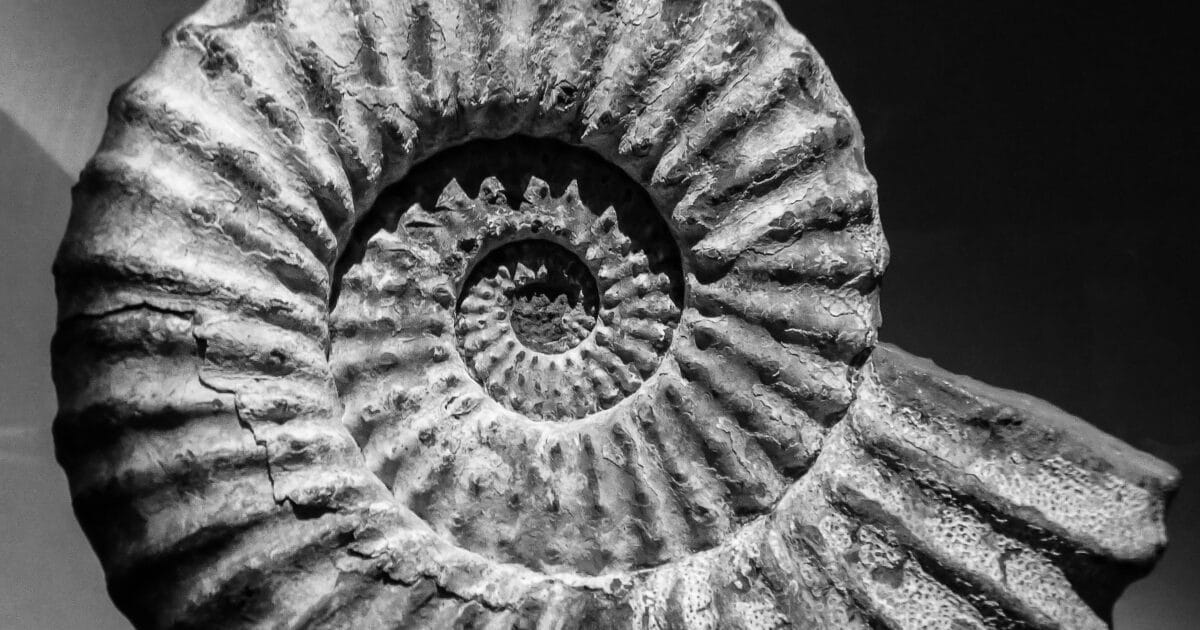
spiral
Photo credit: Jossuha Théophile on Unsplash.

Is Natural Law Irreducible?

Perhaps the most fundamental distinction between naturalism and intelligent design is where each metaphysical framework draws the line at irreducibility. Read More ›
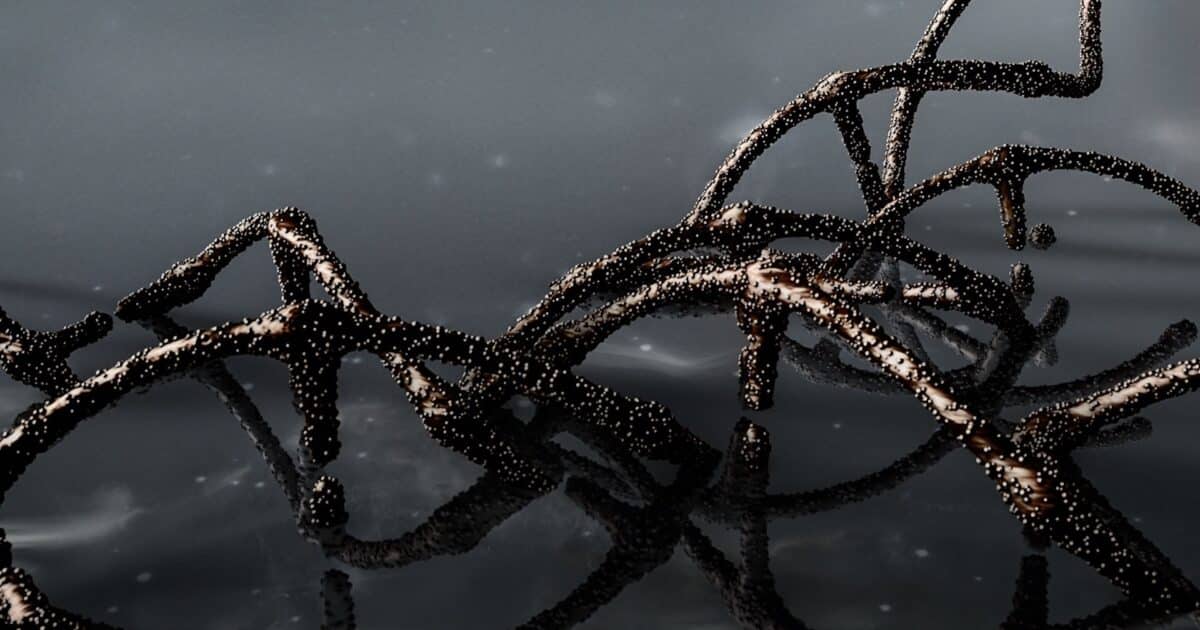
DNA
Image credit: 2541163, via Pixabay.

From Jacques Monod, a Grim Message for Humanity
Biology was becoming a "real" science, melded with chemistry into the new discipline of biochemistry. At last life was reducible to molecular interactions. Read More ›
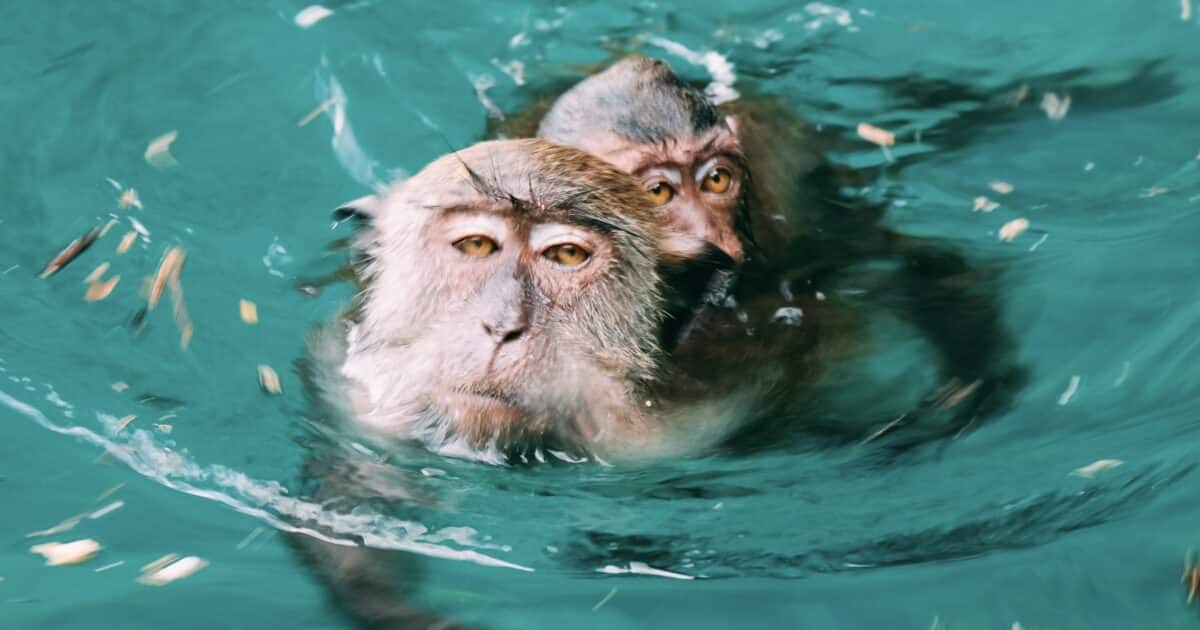
baby ape
Photo credit: Ciprian Boiciuc on Unsplash.

A Darwinian Dilemma: The Paradox of Reproduction

Astonishingly, there is one unique organ system that actually detracts from the chances of survival of even the fittest individuals. Read More ›
Apollo 17
Photo credit: Apollo 17/NASA.

“All Things Are Ordered to Their End” 
In that one simple phrase, St. Thomas Aquinas, the greatest Christian theologian of all time, echoed the fundamental teaching of Aristotle. Read More ›
DNA
Image credit: Reimund Bertrams via Pixabay.

To Understand Nature’s Intentionality, We Must Go Back to the Future

It required the truly inimitable intellect of Aquinas to Christianize and modernize what Aristotle had said 1,600 years before him. Read More ›
Descartes
René Descartes
Image: René Descartes, after Frans Hals, Public domain, via Wikimedia Commons.

How to Overcome Scientism

Descartes is one of the founding fathers of Western science. And the conversion from medieval scholasticism to Cartesian dualism propelled science dramatically.  Read More ›
prism
Photo credit: Braxton Apana via Unsplash.

Understanding the Limits of Scientism

The great impasse in empirical science was reached early in the 20th century when quantum mechanics was first being developed.  Read More ›

© Discovery Institute