






































Science and Culture Today Discovering Design in Nature
Topic

chlorophyll

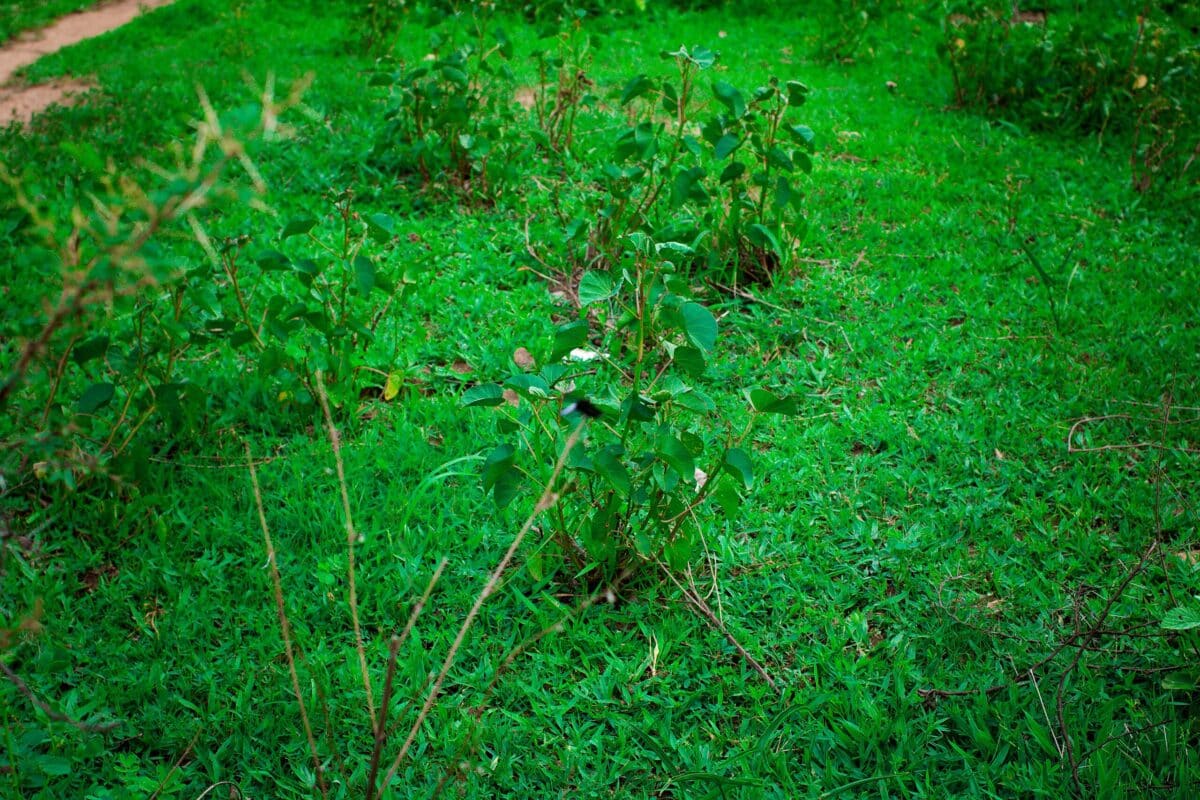
Greengrasslayout
Photo credit: Abdul Rahman Abdul Kudus, CC BY-SA 4.0 <https://creativecommons.org/licenses/by-sa/4.0>, via Wikimedia Commons.

A Thing of Beauty — The Electromagnetic Force 

As a physicist and someone with a vested interest in being alive, I stand positively in awe of the deeply designed nature of the electromagnetic force. Read More ›
Apollo 17
Photo credit: Apollo 17/NASA.

“All Things Are Ordered to Their End” 
In that one simple phrase, St. Thomas Aquinas, the greatest Christian theologian of all time, echoed the fundamental teaching of Aristotle. Read More ›
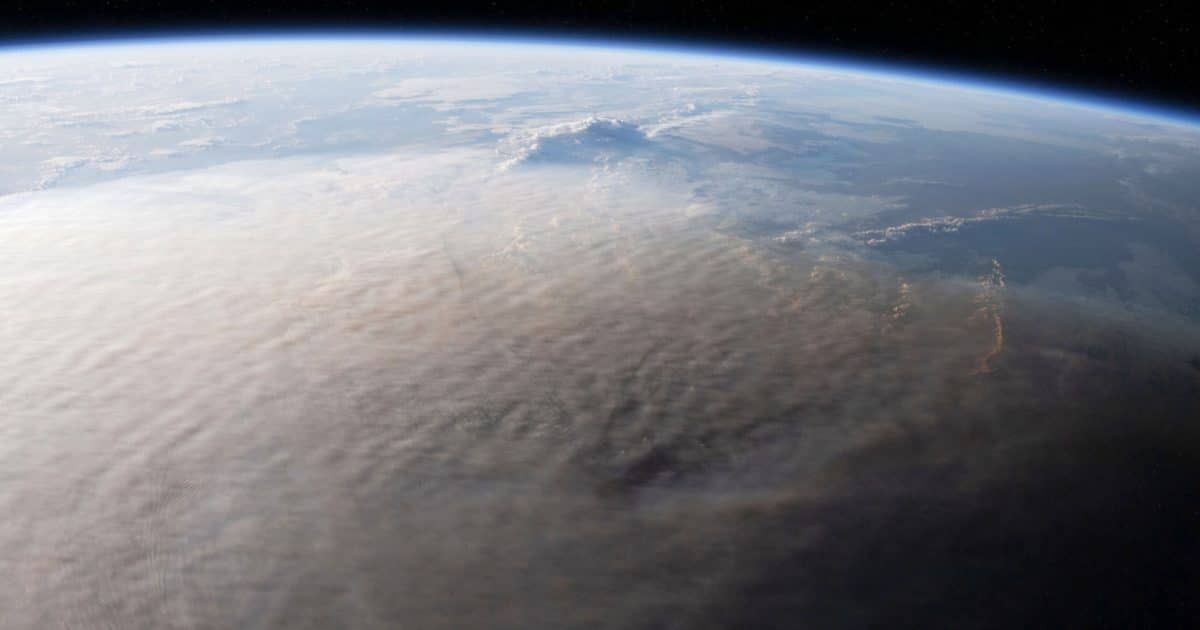
Hunga-Tonga blast
Photo: Hunga-Tonga blast from space, by NASA

Is There Enough Phosphorus for Us?

The element phosphorus, on which life heavily depends for its codes and metabolic processes, is a limiting factor for complex beings on habitable planets. Read More ›
chloroplasts
Photo: Chloroplasts, by Juan Carlos Fonseca Mata, CC BY-SA 4.0 <https://creativecommons.org/licenses/by-sa/4.0>, via Wikimedia Commons.

Nature’s Energy Mining Relies on Molecular Design
Plants mine energy from a primary source (sun) and transform that energy into a secondary source (sugar). Read More ›
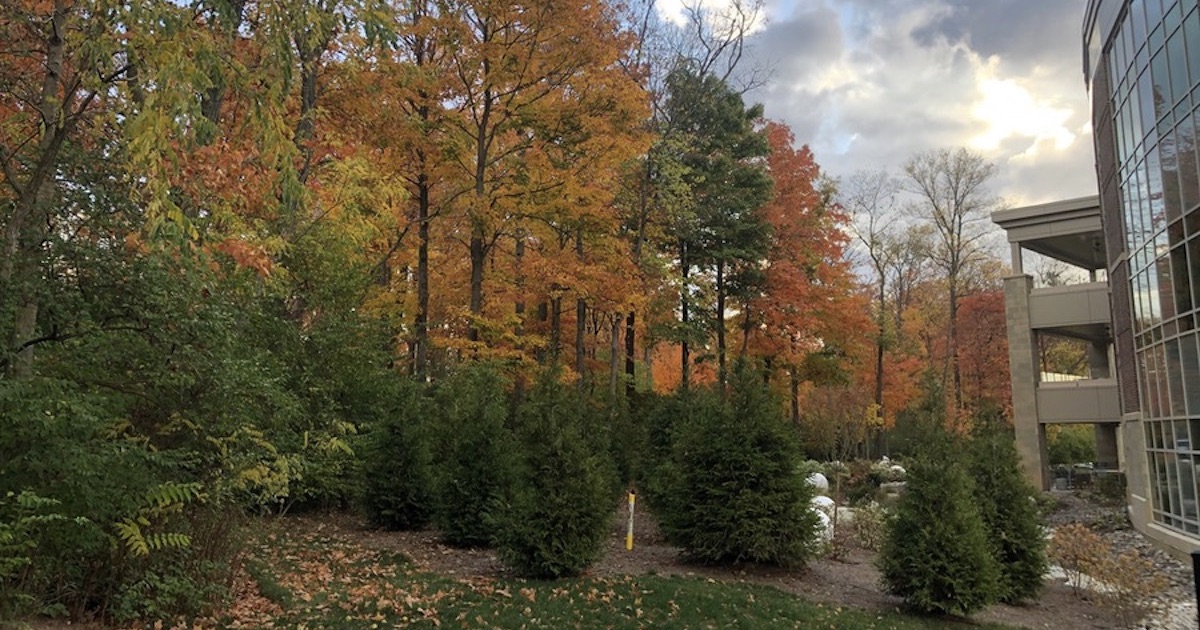
Gilson 1
Photo credit: Tom Gilson.

The Glorious, Intentional Gift of Autumn Beauty

Is there something adaptive to the enjoyment of colors in such a wild mix; and in our enjoying it at one particular time of the year? Read More ›
gregory-pappas-rUc9hVE-L-E-unsplash

Homeostasis: How Active Maintenance Showcases Intelligent Design

Can you think of an un-designed process that employs external machinery to maintain the state of another machine? Read More ›
ATP 2

Enzymes Are Essential for Life; Did They Evolve?
Darwinian evolution, even in its 21st-century form, fails the formidable task of explaining how the first enzyme arose. Read More ›
bee and flower

Conservation of Information and Coevolution: New BIO-Complexity Article by Ewert and Marks

Biologists often claim that coevolutionary interactions, as with bees and flowers, can alter the fitness landscape to drive evolutionary changes. Read More ›

© Discovery Institute