






































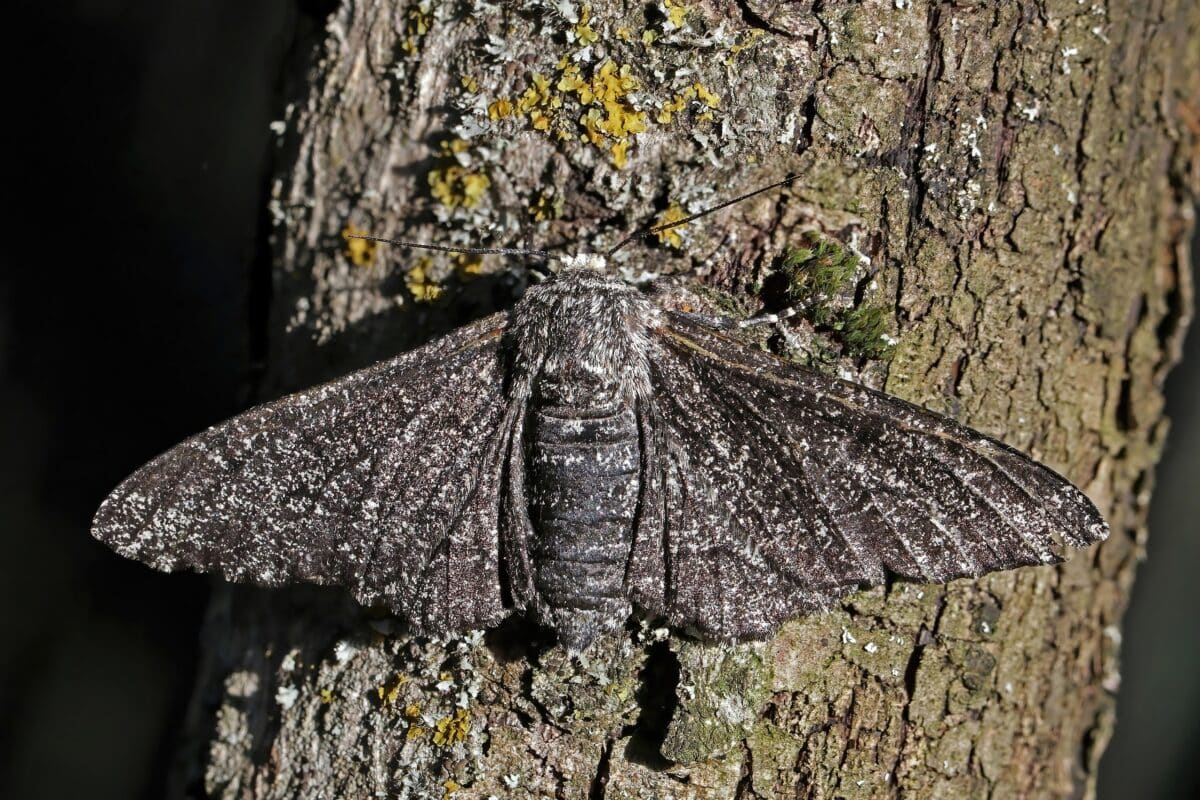
peppered moth
Nobel Prize vs. the Peppered Myth

Jay Richards on Babel, Berlinski, and “Science After Darwin”
Jerry Coyne — An Evolutionist and His Ideology

Have Religion Scholars Been Deceived by Darwin?

Listen: Dead Peppered Moths Can’t Evolve
Evolving Icons of Evolution
The Epigenome: Evolution’s Newest Nightmare
Revenge of the Peppered Moths?
Peppered Moth Now Reverts Back to Gray: Evidence of Oscillating Selection?
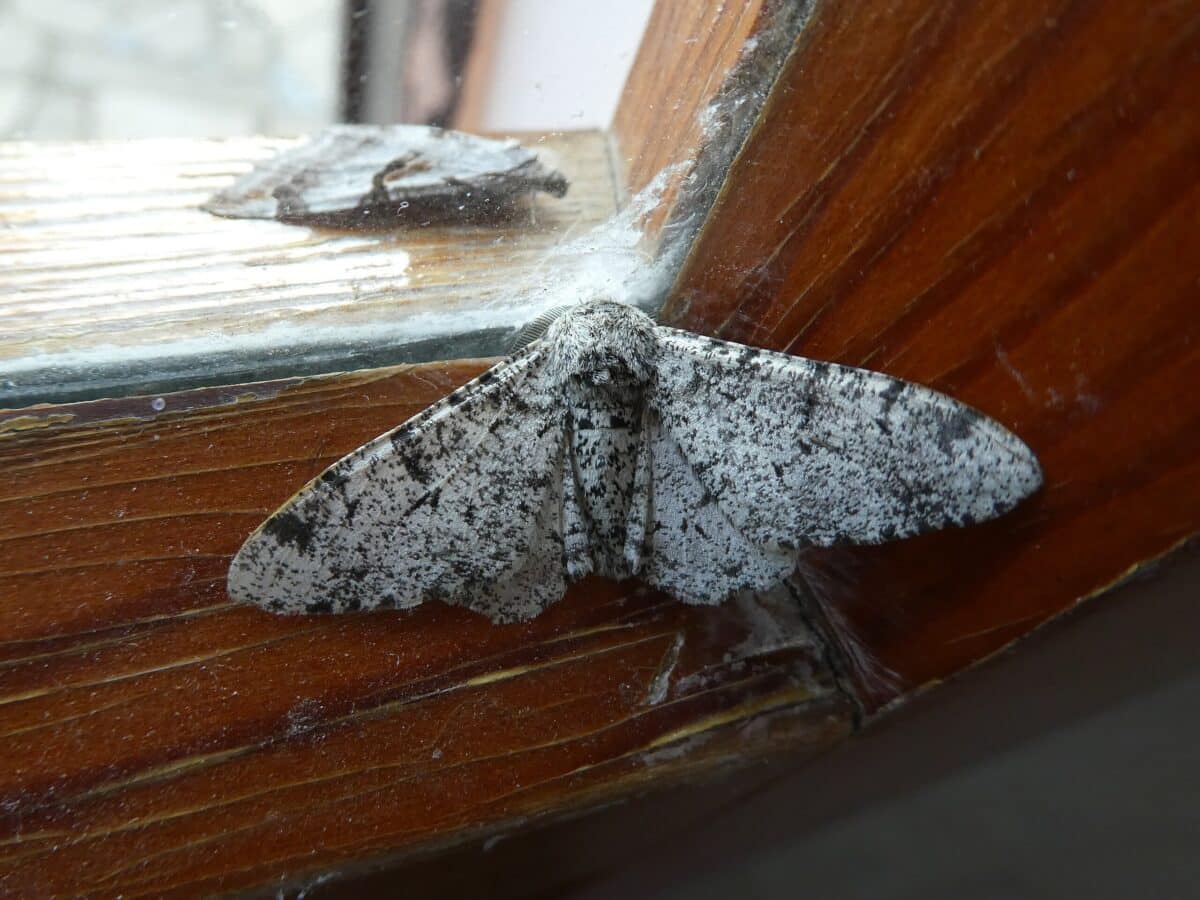
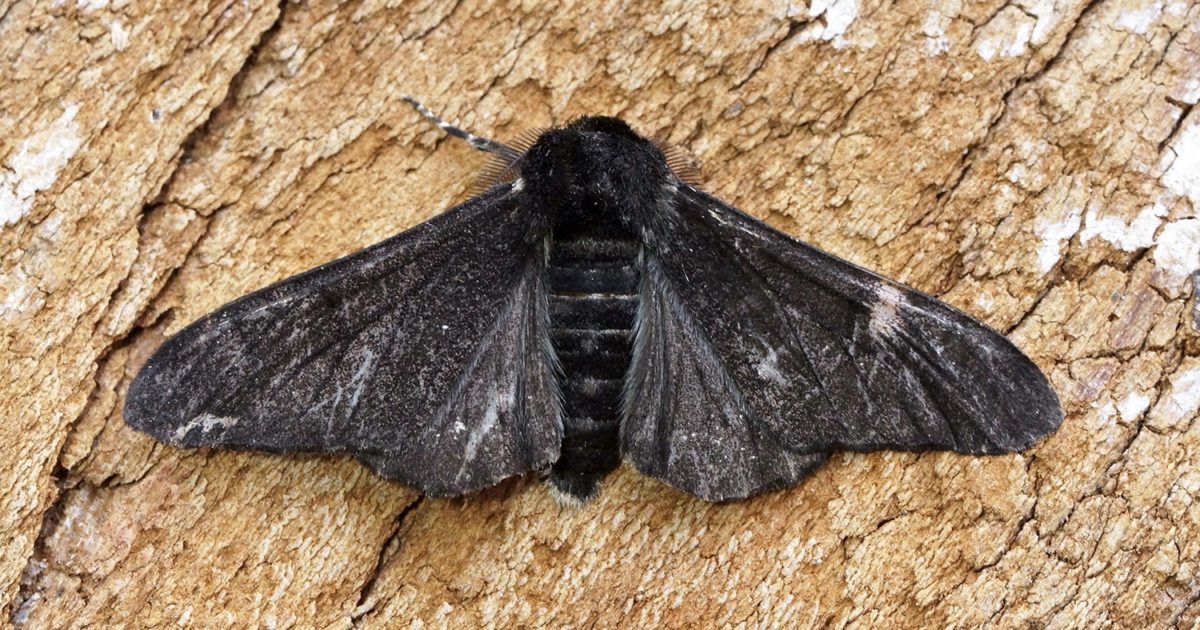
In the world of peppered moths, gray is the new black. The “peppered moth” became famous after textbooks started using it as an iconic example of evolution. It’s still employed in some current textbooks: Douglas Futuyma’s 2005 edition of Evolution states, “By the 1930s, however, examples of very strong selection came to light. One of the first examples was Industrial Melanism in the peppered moth (Biston betularia). … There is considerable evidence, obtained by several independent researchers, that birds attack a greater proportion of gray than black moths where tree trunks, due to air pollution, lack the pale lichens that would otherwise cover them.” (p. 393) While Futuyma is right to further note that “other factors also appear to affect Read More ›