






































Science and Culture Today Discovering Design in Nature
Topic

Nicolaus Copernicus

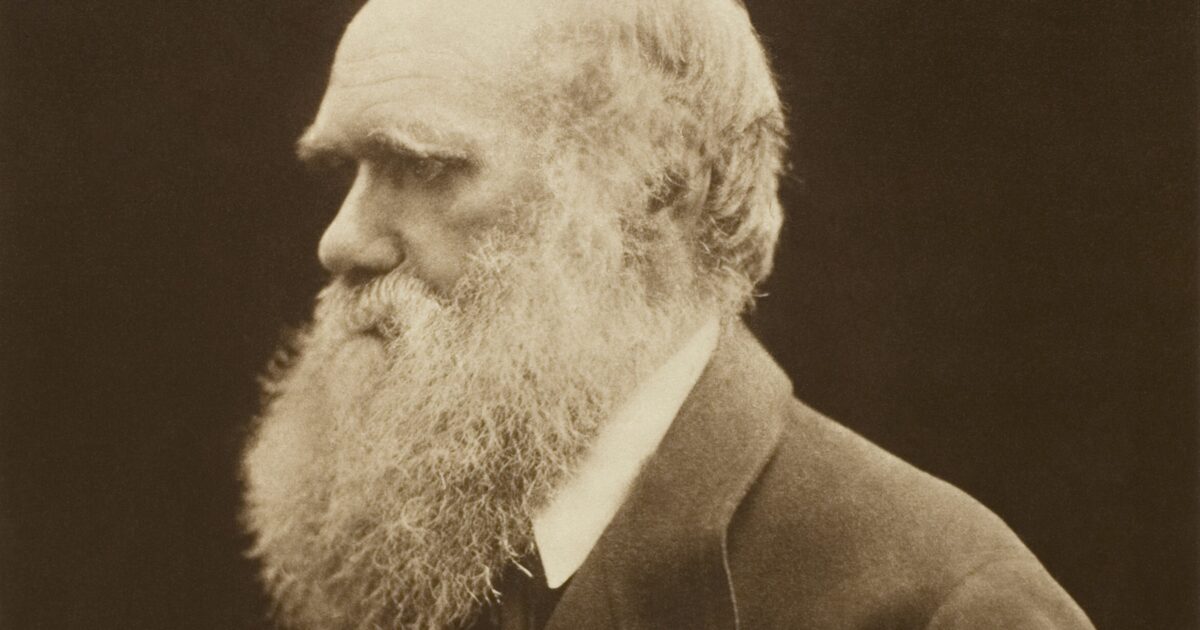
Charles_Darwin_by_Julia_Margaret_Cameron,_c._1868
Photo: Darwin in 1868, by Julia Margaret Cameron, via Wikimedia Commons.

Does Darwinism Meet the Tests of a True Theory?

An example of a now-discarded theory is that of spontaneous generation, a hypothetical process of living organisms developing from nonliving matter. Read More ›
DNA
Image credit: Reimund Bertrams via Pixabay.

To Understand Nature’s Intentionality, We Must Go Back to the Future
It required the truly inimitable intellect of Aquinas to Christianize and modernize what Aristotle had said 1,600 years before him. Read More ›
chicken embryo
embryonic development
Photo: Chicken embryo, by Ben Skála (Own work) [GFDL or CC BY 3.0], via Wikimedia Commons.

Life Without Purpose — The Fundamental Flaw
The fundamental flaw in the conventional approach to understanding life is that we think we can fully understand the whole by looking at the individual parts. Read More ›
Poland
Image: Courtesy of Dr. Michael Chaberek OP.

Faith, Science, and Secularization — An Illuminating Conference in Poland

Similar to many others among the founders of modern science, Copernicus was a believer in God and clearly a proponent of intelligent design. Read More ›
Orion Nebula
Photo: Orion Nebula, by ESA/Hubble & NASA, J. Bally, M. Robberto.

Johannes Kepler on the Holy Work of Astronomy
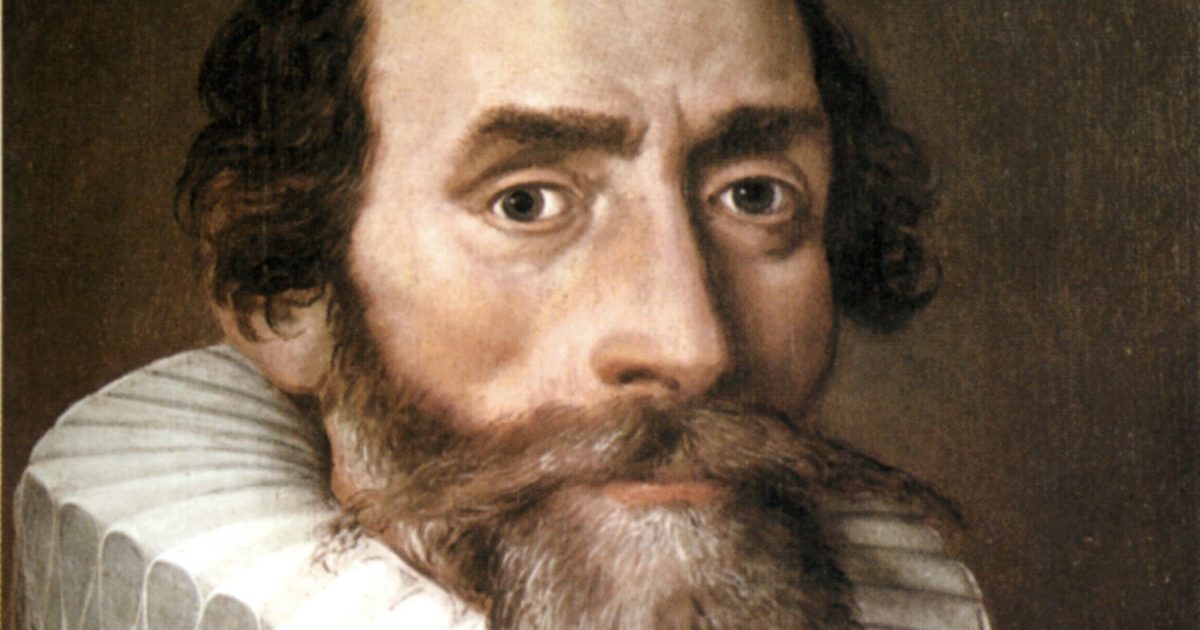
Kepler rejected the idea that the enormous scale of the cosmos suggested that mankind is less important than in the cozier Aristotelian-Ptolemaic model. Read More ›
Milky Way
Photo: Milky Way, by Free-Photos, via Pixabay.

New Study: The Milky Way Is Exceptional
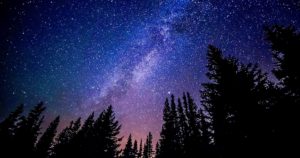
“You might have to travel a half a billion light years from the Milky Way, past many, many galaxies, to find another cosmological wall with a galaxy like ours.” Read More ›
Johannes Kepler
Johannes Kepler
Image: Johannes Kepler (1571–1630), via Wikimedia Commons.

New Book: For This Scientist, Science Did Not Point to Atheism

Kepler was not alone. Robert Boyle, Isaac Newton, Nicolaus Copernicus, and many others who established modern science were deeply religious thinkers. Read More ›
Copernicus
Copernicus
Image: Nicholas Copernicus, via Toruń Regional Museum / Public domain.

Religious Intuition Can Lead to Scientific Discovery: The Cases of Copernicus and Ferguson

ID is not religion. But even if we were to concede falsely that it is, such a characterization is irrelevant to the question of whether it is true. Read More ›
Zinc
Photo: Zinc, by Alchemist-hp (talk) (www.pse-mendelejew.de), FAL, via Wikimedia Commons.

Zinc and the Miracle of Man

Elemental zinc pulls together multiple themes that biologist Michael Denton writes about in his new book. Read More ›
TMOM

The Miracle of Man: New Book by Michael Denton

Sputtering nihilists have turned their rage on the idea that someone, somewhere, could be thinking that the unborn man or woman is a miracle worth protecting. Read More ›

© Discovery Institute