
Science and Culture Today Discovering Design in Nature
Topic

aesthetics

Staircase_of_the_BGK_Building_(26620981474)
Photo credit: Bart Lumber, CC0, via Wikimedia Commons.

A Needed Protest Against “AI Slop” and AI “Word Vomit”

It’s all another lesson in human exceptionalism. I believe we will wake up from the AI delusion someday. Read More ›
Cleveland_Chamber_Symphony_4-09-2006
Photo: An orchestra without a conductor, by Harry Weller, Del57 at English Wikipedia, CC BY 3.0 <https://creativecommons.org/licenses/by/3.0>, via Wikimedia Commons.

The Human Mind Is Wired for Music: How Did That Come About?

Most of us can correctly remember melodies and lyrics learned in childhood, even years after last having heard them. Read More ›
singing
Photo credit: Elizeu Dias, via Unsplash.

The Supposed Bad Design of the Human Pharynx

The pharynx affords us the abilities to breathe and swallow, but it does much more. It affords the ability for speech, language, and singing. Read More ›
Copernicus
Copernicus
Image: Nicholas Copernicus, via Toruń Regional Museum / Public domain.

Religious Intuition Can Lead to Scientific Discovery: The Cases of Copernicus and Ferguson
ID is not religion. But even if we were to concede falsely that it is, such a characterization is irrelevant to the question of whether it is true. Read More ›
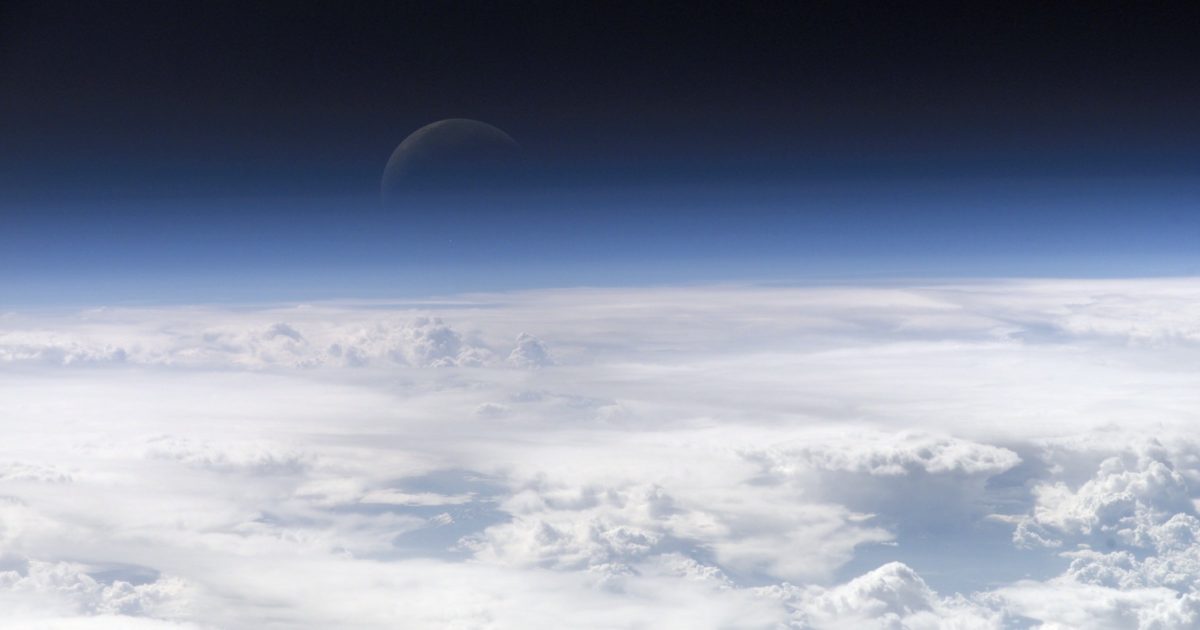
Top_of_Atmosphere 2
Photo: Earth's atmosphere, via Wikimedia Commons.

Geologist Casey Luskin: Our Intelligently Designed Planet

Dr. Luskin offers an additional design argument, this one aesthetic in nature, and takes questions from the audience. Read More ›
Aquinas
Image: Thomas Aquinas, via Aquinas.Design.

Michael Behe: It’s Not a Scientist’s Job to Be Led by Aesthetics

While the sun, moon, and stars move according to natural laws, it doesn’t follow that the complex forms we find in biology arose purely through natural laws. Read More ›
Freeman_Dyson_at_Harvard-1

Remembering Freeman Dyson and the Enduring Lesson of “Dyson’s Hypothesis”

Dyson points out that the highly improbable is actually quite probable by invoking “Littlewood’s law of miracles.” Read More ›

Philosophers Want Back into Science

One might call the 20th century a “philosopher of the gaps” period, with scientists basking in the headlines and philosophy finding less and less to do. Read More ›
Darwinizing Beauty

Mission Impossible: Darwinizing Beauty

The ease of ascribing beauty to intelligent design contrasts with the impossibility of explaining its origin by material causes. Read More ›
Swan Lake 2

The Chin Enigma

A scientific theory that on principle refuses to see the obvious is an achievement of which only humans are capable. Read More ›

© Discovery Institute