





































Science and Culture Today Discovering Design in Nature
Topic

memory

memory 2
Photo credit: Laura Fuhrman via Unsplash.

Clues About Consciousness from Dementia Research

The phenomenon is called "paradoxical lucidity" because it is unexpected and we know very little about its causes. Read More ›
brain
Photo credit: Jesse Orrico via Unsplash.

Kenneth Miller on Consciousness and Evolution
Despite Miller's claims, neither human reason nor free will evolved because neither is generated by material processes. Read More ›
near-death experience
Photo credit: Andraz Lazic via Unsplash.

Near-Death Research Slowly Fills in the Picture
When an 87-year-old man was having his brain scanned, he died — unexpectedly — of a heart attack. So, the scan recorded his unanticipated final brain activity. Read More ›
chimp
Photo credit: Rishi Ragunathan, via Unsplash.

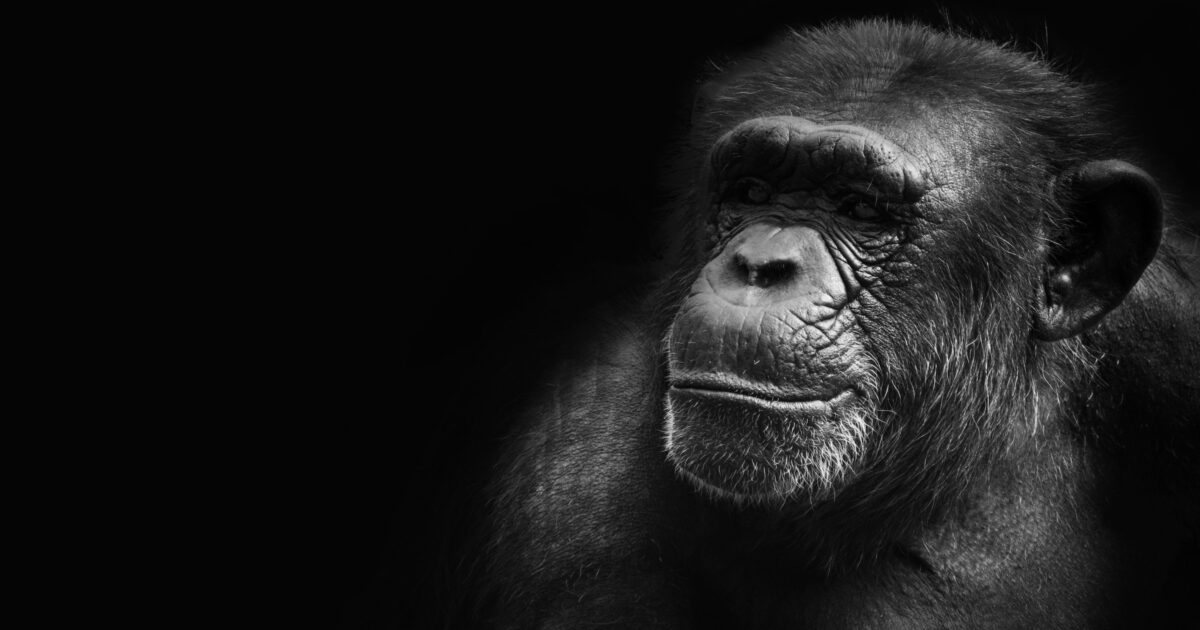
More Ways that Human and Ape Brains Differ
Underlying the significant differences in brain — to say nothing of the vast difference in mind — is a genetic mystery. Read More ›
Erika1
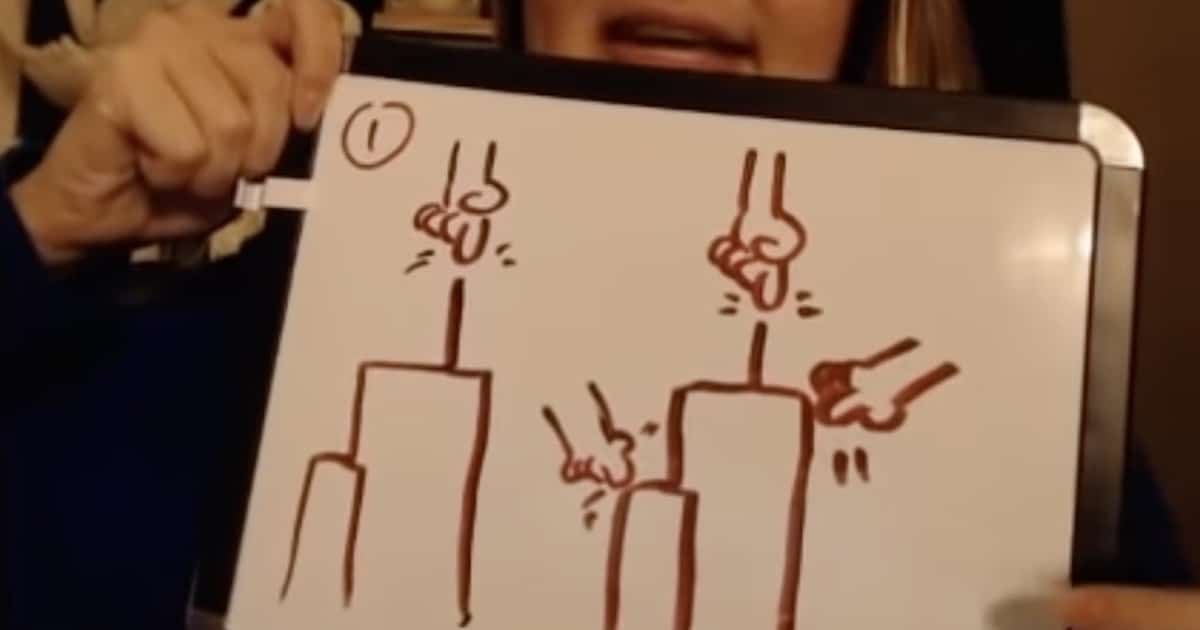
Image source: YouTube (cropped).

Why Their Separate Ancestry Model Is “Wildly Unrealistic”

On Monday, I will look at the consistency of the phylogenetically informative sites for the Baum et al. (2016) paper. Spoiler alert: It looks like design. Read More ›
old dog
Photo credit: Alexandre Debiève via Unsplash.

Can Old Dogs Learn New Tricks? It Depends
Not much is known for sure about how dogs age. The Dog Aging Project aims to change that through systematic research programs. Read More ›
octopus
Photo credit: Pseudopanax at English Wikipedia [Public domain], from Wikimedia Commons.

If Octopuses Are So Smart, Should We Eat Them?
We have tended to assume that intelligence rose with the development of a spinal cord and brain (vertebrates), and warmbloodedness (mammals and birds). Read More ›
Man playing chess with monkey
Paul Nelson
Image: © everettovrk — stock.adobe.com.

Professor: We Shouldn’t Necessarily Value Humans Over Other Animals

NYU environmentalism prof Jeff Sebo argues that humans are not always rational and that some animals display mental qualities so we aren’t exceptional. Read More ›
octopus
Photo credit: Pseudopanax at English Wikipedia [Public domain], from Wikimedia Commons.

Can Largely Rearranged Genomes Explain Why Octopuses Are So Smart?

Even compared to each other, the genomes of three cephalopods studied had been broken up and extensively reorganized. Read More ›
sea turtles
Photo: Sea turtles, by Claudio Giovenzana, CC BY-SA 3.0 <https://creativecommons.org/licenses/by-sa/3.0>, via Wikimedia Commons.

For Navigating Animals, a Gift from Magnetotactic Bacteria

Nowhere do these scientists explain how bacteria invented magnetotaxis and encoded it into their genes. Read More ›

© Discovery Institute