







































Science and Culture Today Discovering Design in Nature
Topic

common ancestry

SmithsonianNationalMuseumofNaturalHistory27722293661
Photo credit: Tony Hisgett from Birmingham, UK, CC BY 2.0 <https://creativecommons.org/licenses/by/2.0>, via Wikimedia Commons.

Challenged on the “1 Percent” Myth, Smithsonian Gives a Meaningless Non-Answer

Note to President Trump: I find this pretty disrespectful to the people who pay the bills at the Smithsonian. Read More ›
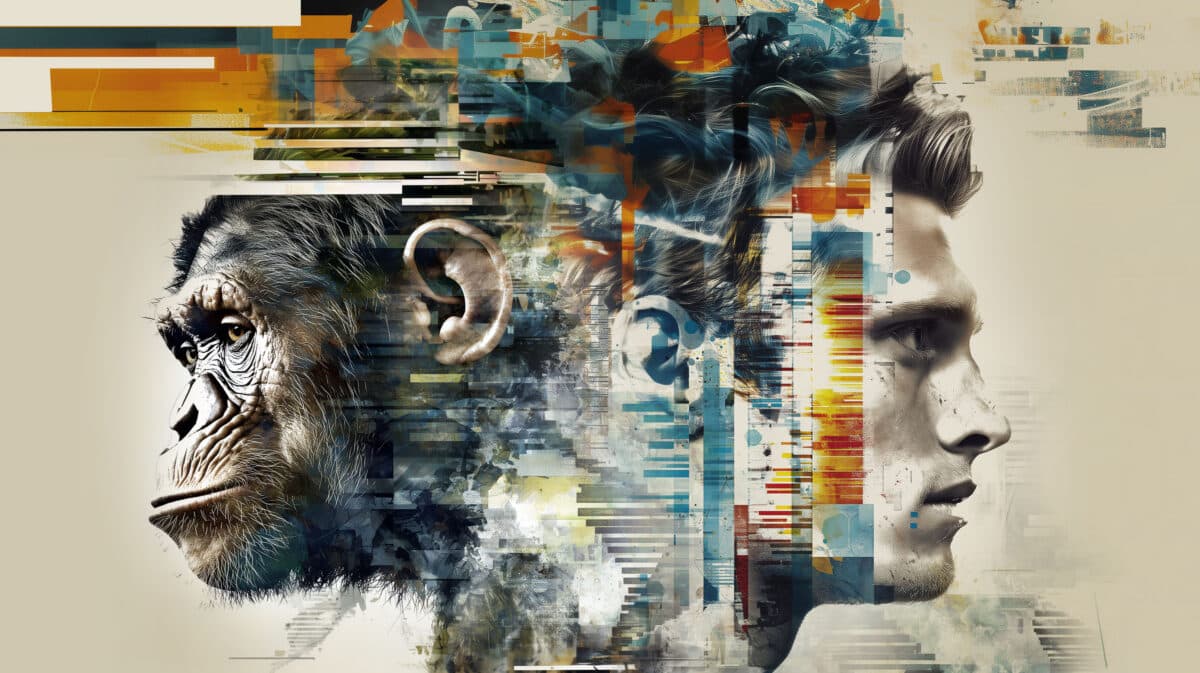
ape-man-dna-strips
Graphic by Nathan Jacobson

What’s the Best Explanation for Human-Chimp Genetic Differences? 
We have broken a major story about a recently published study showing that the human and chimp genomes are 14.0 percent to 14.9 percent different. Read More ›
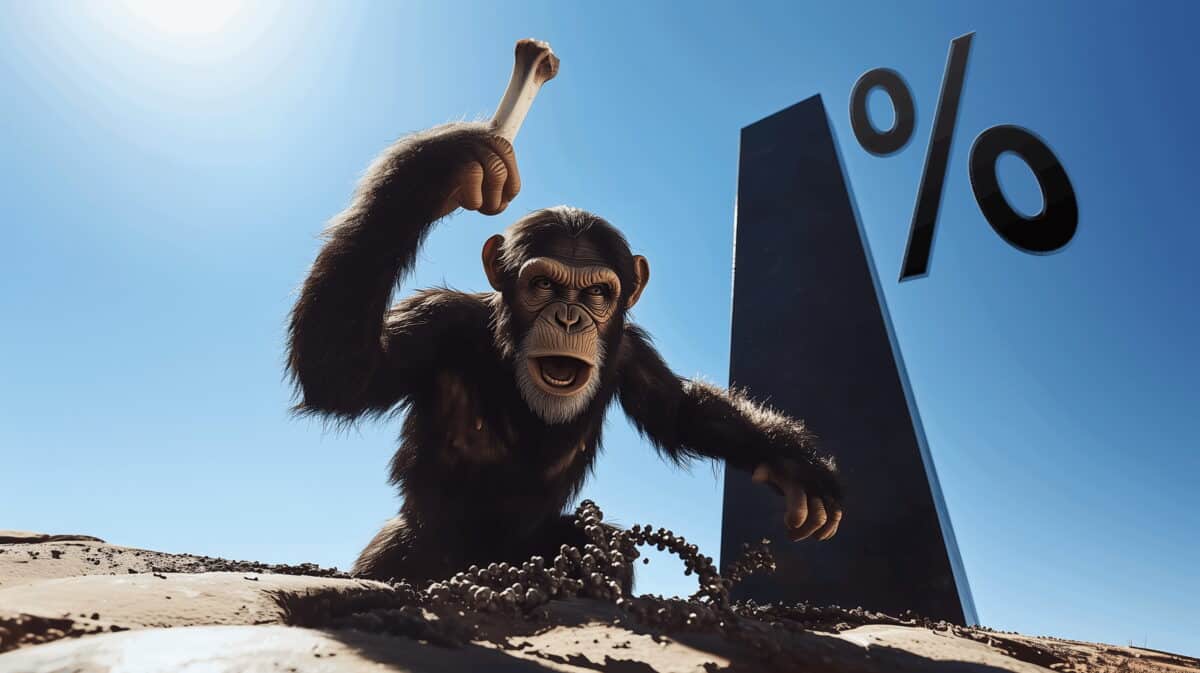
2001-chimp-obelisk-2400x1345
Image credit: Nathan Jacobson.

Bombshell: New Research Overturns Claim that Humans and Chimps Differ by Only 1 Percent of DNA
This finding should be major news in the science world, yet those involved don’t seem interested in highlighting the discovery. Read More ›
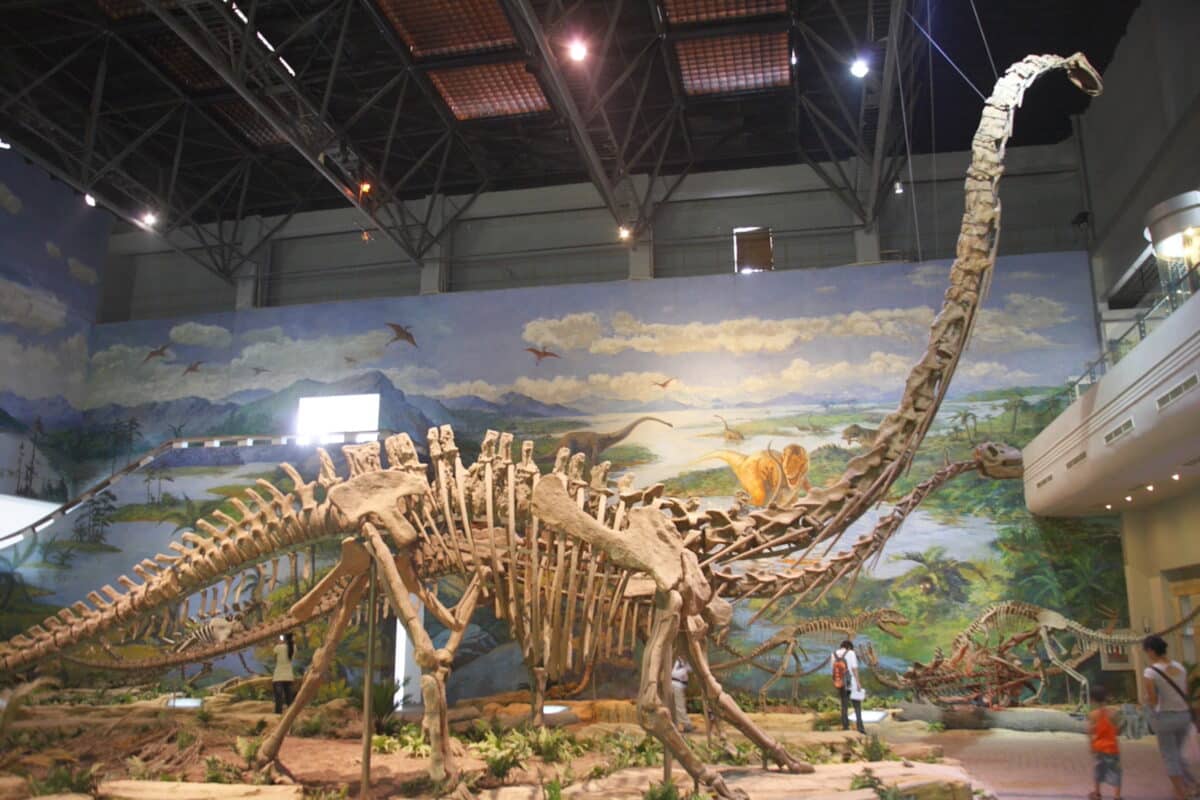
Sauropods
Photo: Skeletal Reconstruction of <I>Mamenchisaurus youngi</I>, though other sources speak of the very closely related <I>Omeisaurus</I>, in the Dinosaur Museum of Zigong, by Einar Fredriksen, CC BY-SA 2.0 <https://creativecommons.org/licenses/by-sa/2.0>, via Wikimedia Commons.

Günter Bechly on Life’s Sudden Information Explosions

“There’s no reasonable way,” Bechly concludes, “to get from bacteria to mammals via evolutionary processes.” Read More ›
discus
Photo credit: David Bottenberg on Unsplash.

New Research: Stuart Burgess Demonstrates the Exquisite Engineering of Human Limbs
Burgess’s research represents yet another nail in the coffin of the standard evolutionary model. Read More ›
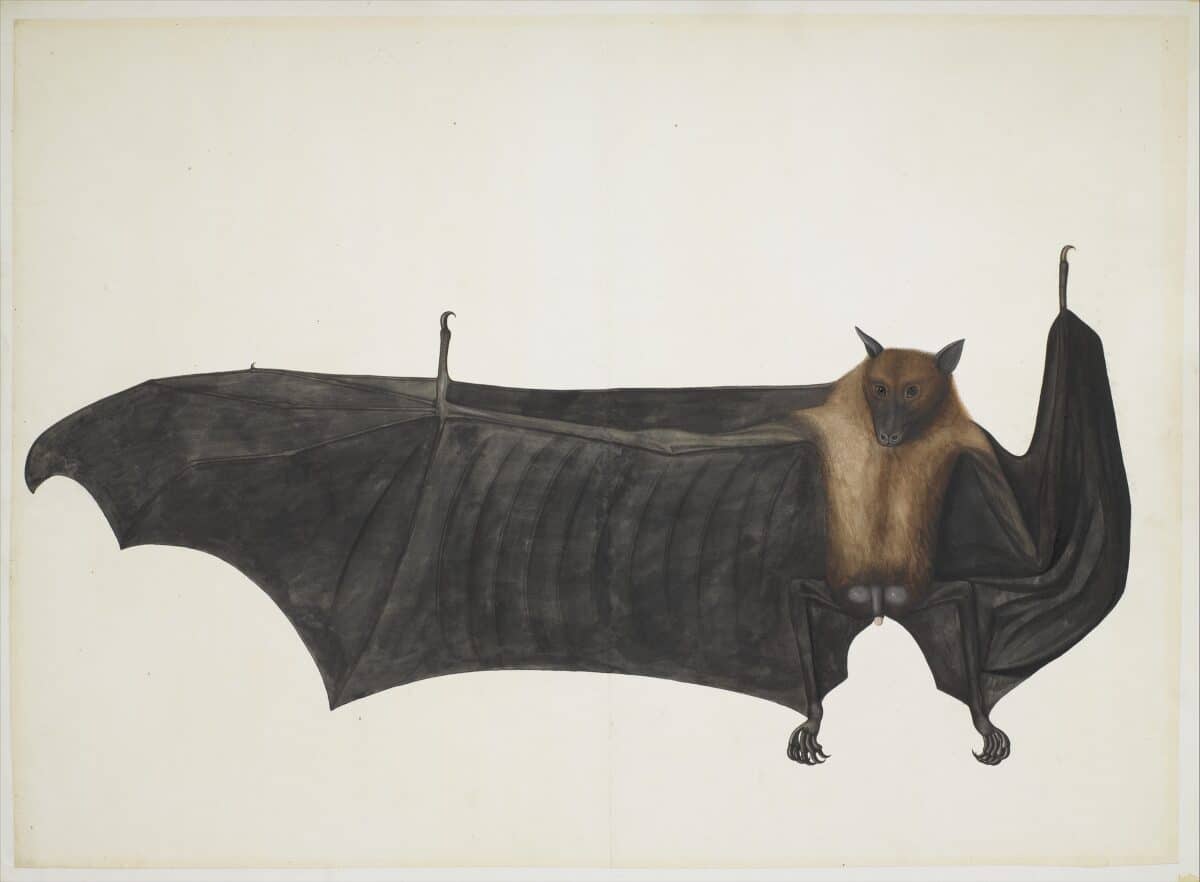
2560px-Great_Indian_Fruit_Bat_MET_DP167067
Image credit: Bhawani Das, CC0, via Wikimedia Commons.

Fitness Landscapes Demonstrate Perfection in Vertebrate Limbs Resulted from Intelligent Design
These observations present two dire challenges to undirected evolutionary models. Read More ›
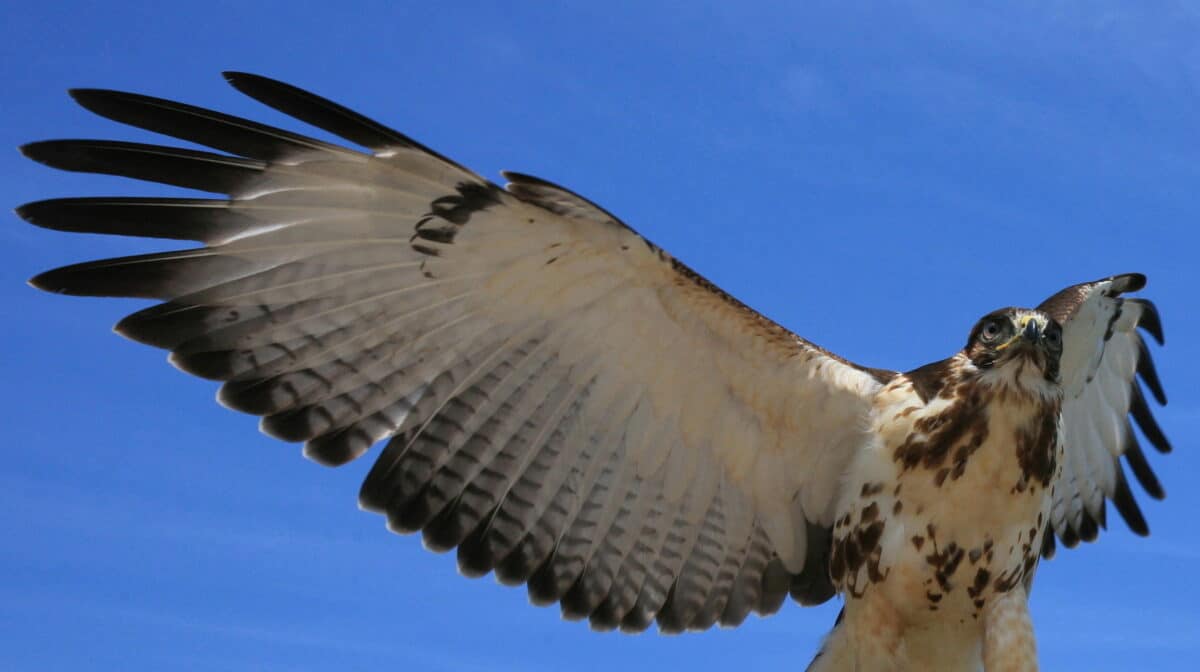
Captive_Red-tailed_Hawk_at_Bacara
Photo credit: Steve Jurvetson, CC BY 2.0 <https://creativecommons.org/licenses/by/2.0>, via Wikimedia Commons.

Developmental Biology of Vertebrate Skeletons Shows Similarities are Better Explained by Design
Evolutionists assume that the traits they classify as homologous share similarities due to their having evolved from a common ancestor. Read More ›
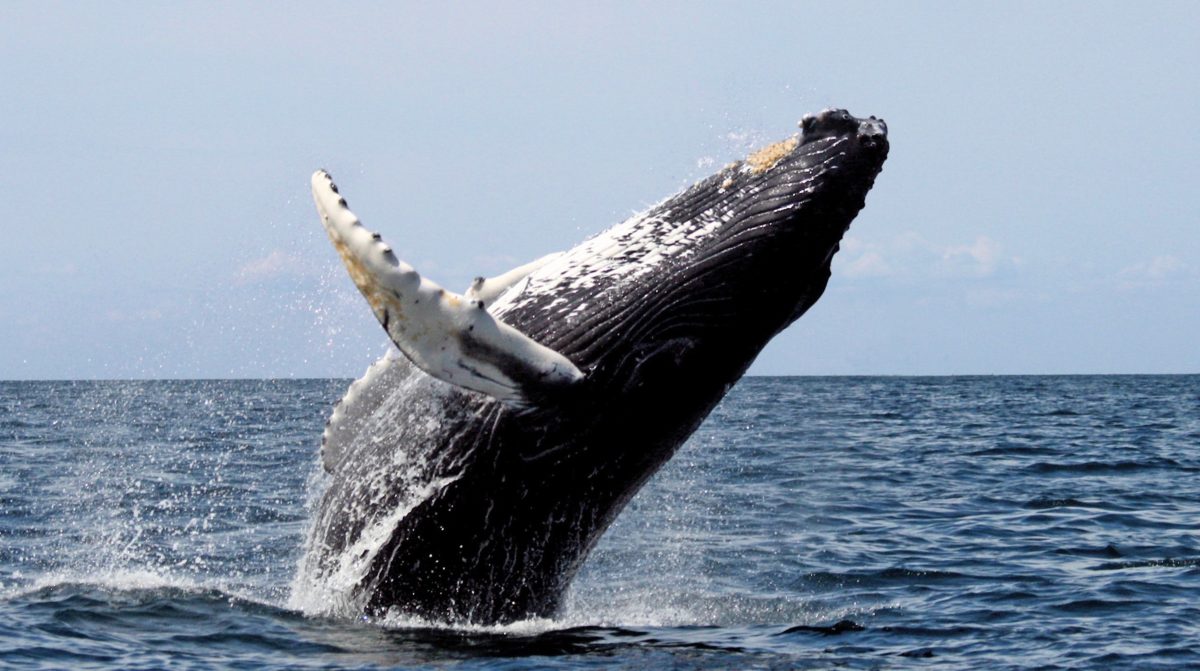
Humpback_stellwagen_edit
Photo: A humpback whale, by Whit Welles Wwelles14 / CC BY (https://creativecommons.org/licenses/by/3.0).

Similarities Between Vertebrate Limbs Are Best Explained Not by Common Ancestry but by Design
The challenge is particularly daunting in the case of whales. The flipper differs in almost every respect from that of its proposed terrestrial ancestor. Read More ›
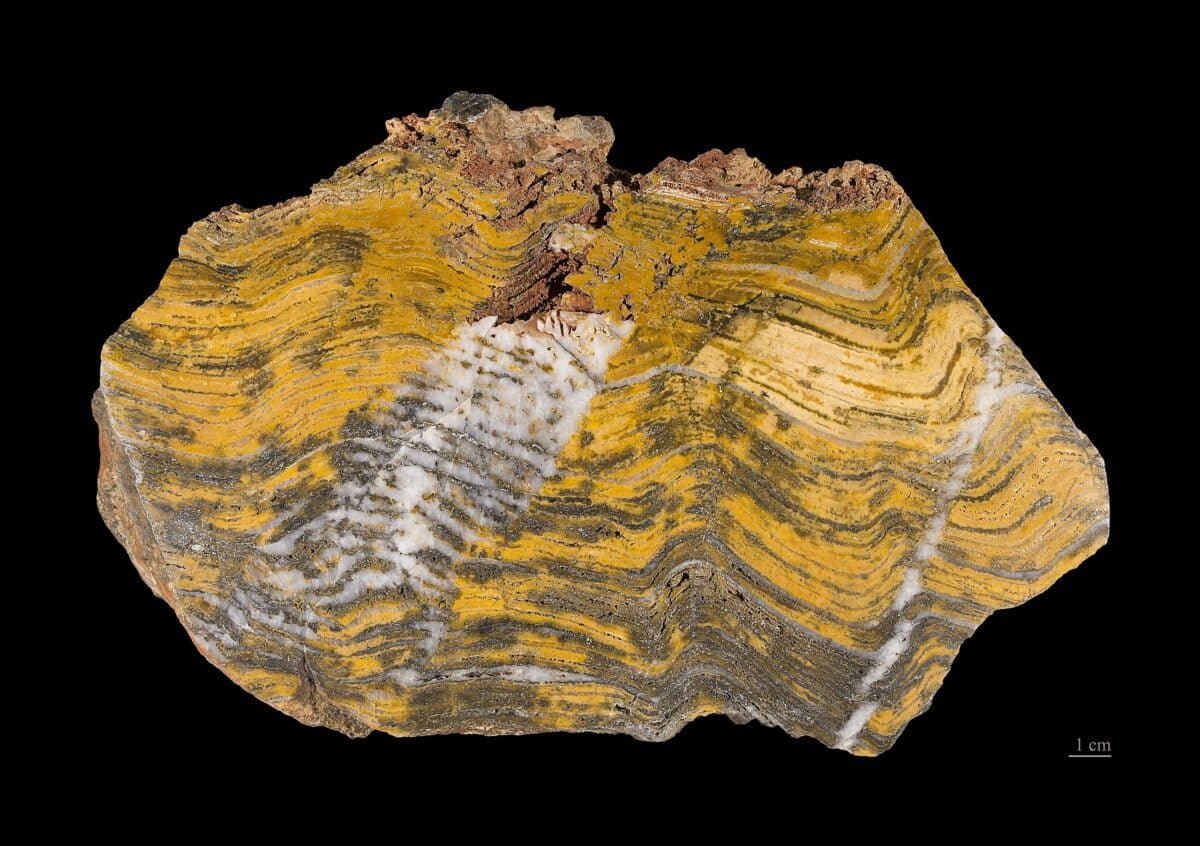
Stromatolithe - MNHT
Photo: Stromatolithe fossil, dated to about 3.4 Ga, by Muséum de Toulouse, CC BY-SA 4.0 <https://creativecommons.org/licenses/by-sa/4.0>, via Wikimedia Commons.

Study Finds Life’s Origin “Required a Surprisingly Short Interval of Geologic Time”
It’s certainly not impossible that life was already present on Earth at 4.2 Ga. And if it were true it would have intriguing implications. Read More ›
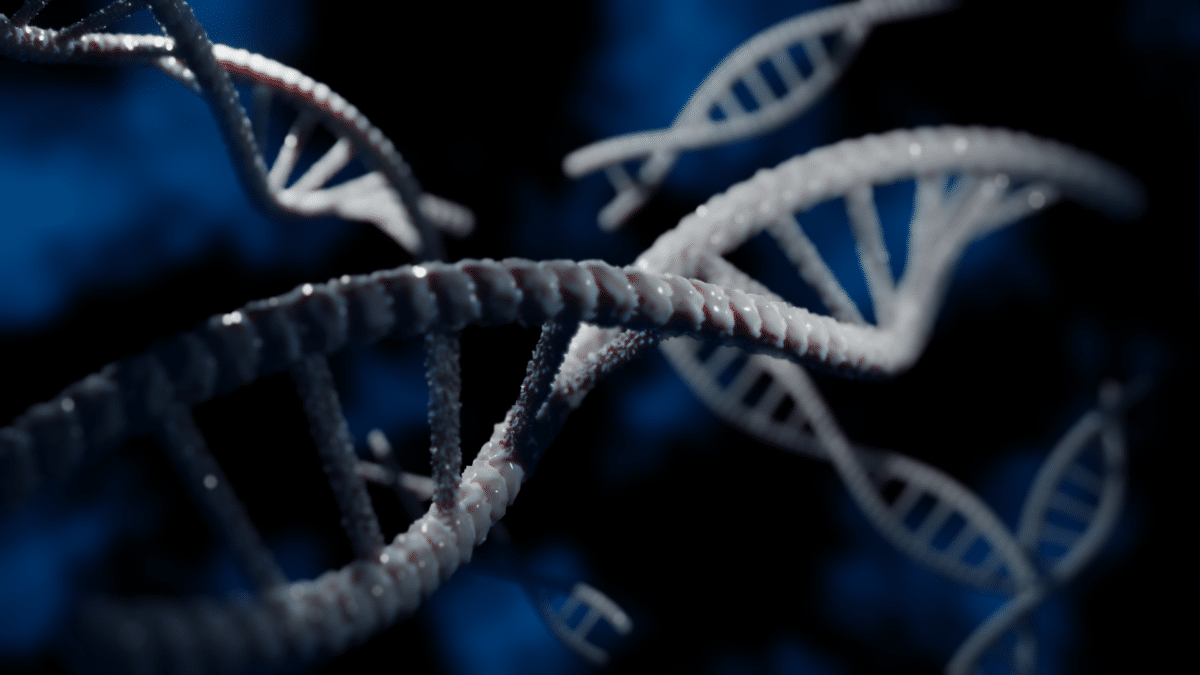
3D_DNA_High_contrast
Image credit: Tim Tim (VD fr), CC BY-SA 4.0 <https://creativecommons.org/licenses/by-sa/4.0>, via Wikimedia Commons.

New Paper Argues that Variant Genetic Codes Are Best Explained by Common Design

A popular argument for a universal common ancestor is the near-universality of the conventional genetic code. Read More ›

© Discovery Institute