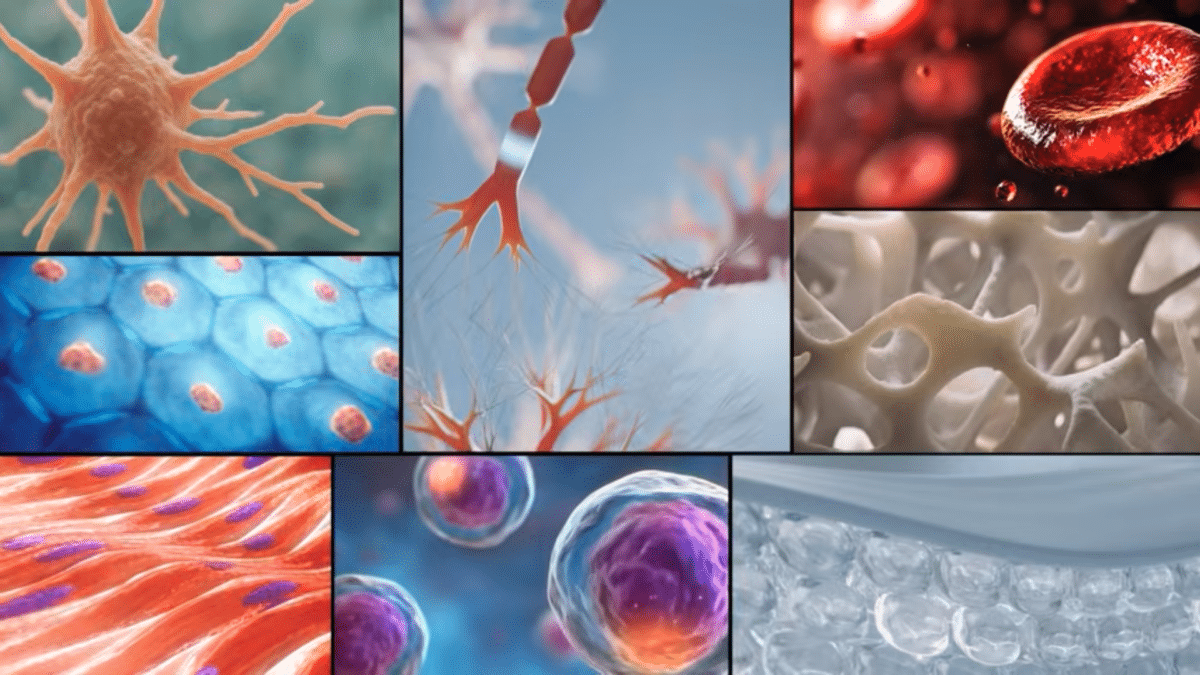
cell-differentiation Type post Author David Klinghoffer Date January 21, 2026 CategoriesEvolutionIntelligent DesignLife Sciences Tagged , biological design, cell types, chicken-or-egg problem, Darwinian theory, development, engineering, evolution, Howard Glicksman, human reproduction, information, intelligent design, life, mother, physical reality, physicians, Plato’s Revenge, pregnancy, reproduction, Roe v. Wade, Secrets of the Human Body, Steve Laufmann, systems engineers, theory of biological design, womb For Roe’s Anniversary, Renew Your Awe of Reproduction David Klinghoffer January 21, 2026 Evolution, Intelligent Design, Life Sciences 3 How do those cells “know” what to become? Where does the information reside that shapes a human in the womb? Read More ›
person-identification-and-scanning-stockpack-adobe-stock-281195209-stockpack-adobestock Type post Author David Coppedge Date January 19, 2026 CategoriesGeneticsIntelligent Design Tagged , 4D Nucleome Project, Alzheimer’s disease, cancer, cell types, central dogma, chromatin loops, chromosomes, cohesin, Darwinists, diseases, DNA, double helix, dynamic architecture, fourth dimension, genes, intelligent design, interactome, Job Dekker, junk DNA, kilobases, loop extrusion, molecular machines, mutations, Nature (journal), NIH Common Fund, Northwestern University, nucleic acid, nucleome, nucleus, proteins, topologically associating domains, UMass Chan Medical School 4-D Nucleome Mapping Opens New Vision of Dynamic DNA Architecture David Coppedge January 19, 2026 Genetics, Intelligent Design 10 DNA is not a static sequence to read; it is a code that builds and operates its own factory. Read More ›
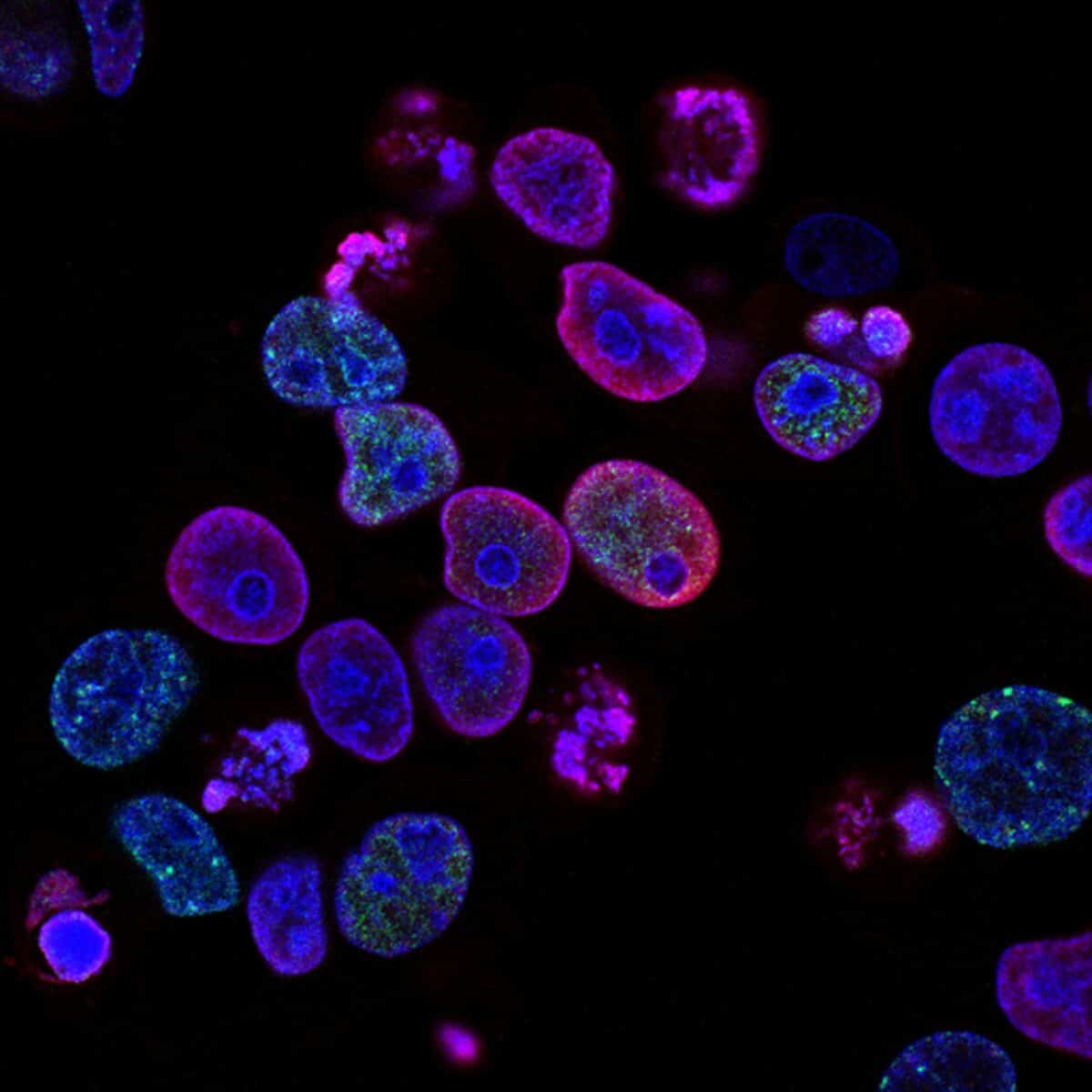
cancer-cells Type post Author Casey Luskin Date September 15, 2025 CategoriesEvolutionMedicine Tagged , Ann Gauger, cancer, cell types, Darwin Devolves, Darwinian evolution, Darwinian processes, Denis Noble, evolution, genes, intelligent design, Journal of Molecular Evolution, metazoans, Michael Behe, mutations, National Cancer Institute, Perry Marshall, reproduction, survival, tumor, Vanderbilt University Two Peer-Reviewed Papers Apply Behe’s “Darwin Devolves” Thesis to Cancer Casey Luskin September 15, 2025 Evolution, Medicine 14 One day in the mid 2010s, Ann Gauger and I received a message that an ID-friendly scientist was in town and wanted to meet us. Read More ›
DNA Type post Author Jonathan McLatchie Date May 16, 2024 CategoriesBiologyEvolutionIntelligent Design Tagged , Casey Luskin, cell types, Creation Myths, Daniel Stern Cardinale, debates, Dr. Dan, ENCODE, evolution, function, genome, Hox genes, intelligent design, John Mattick, junk DNA, lncRNAs, non-coding DNA, non-coding RNAs, Richard Sternberg, RNA, Rutgers University, scientific literature Reflections on Casey Luskin’s Debate with “Dr. Dan” Jonathan McLatchie May 16, 2024 Biology, Evolution, Intelligent Design 10 I commend Dr. Dan for being an amicable dialogue partner and for his good faith attempt to engage substantively with the relevant scientific issues. Read More ›
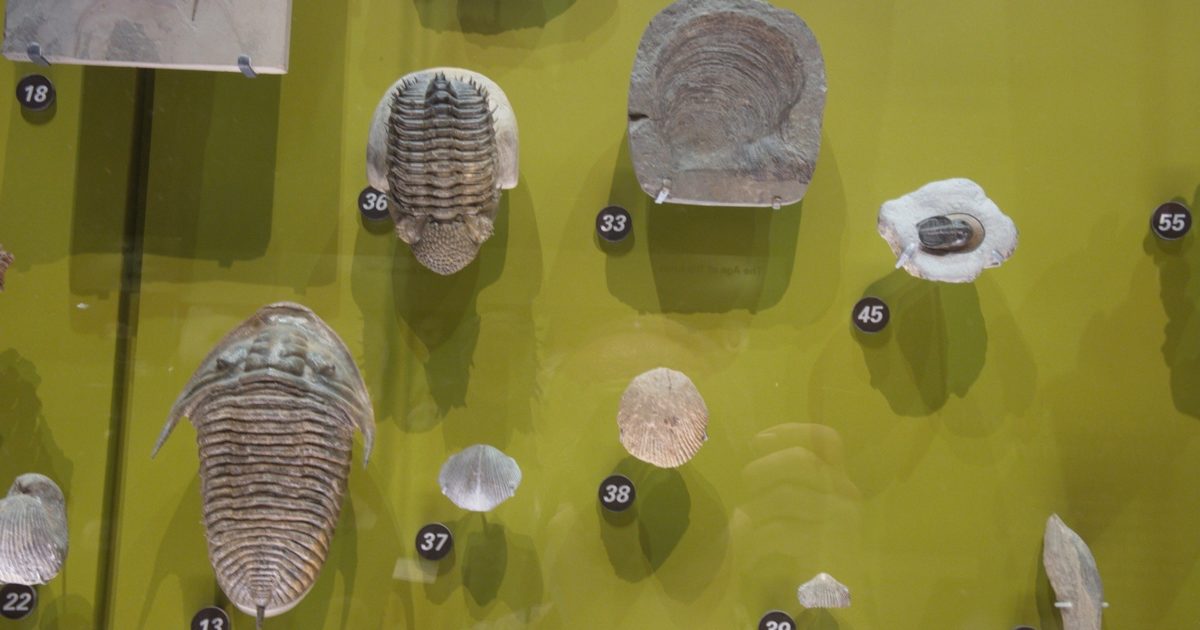
Cambrian 16 Type post Author David Coppedge Date November 19, 2021 CategoriesEvolutionIntelligent DesignPaleontology Tagged , animals, Anomalocaris, behaviors, brains, Burgess Shale, Cambrian Explosion, Cambrian News, Canada, cell types, Charles Darwin, Charnia, China, Darwin's Doubt, Dickinsonia, evolution, fossil record, Hallucigenia, mollusks, National Museum of Natural History, organs, oxygen, Smithsonian Institution, Spriggina, Stephen Jay Gould, Stephen Meyer, Thomas Woodward, Tribrachidium, trilobites, Wiwaxia Smithsonian Glosses Over the Cambrian Explosion David Coppedge November 19, 2021 Evolution, Intelligent Design, Paleontology 8 The nation’s museum cannot ignore the collection of fossils Walcott sent them from the Burgess Shale. But can they explain them away? Read More ›