Science and Culture Today Discovering Design in Nature
Topic

Carboniferous Period
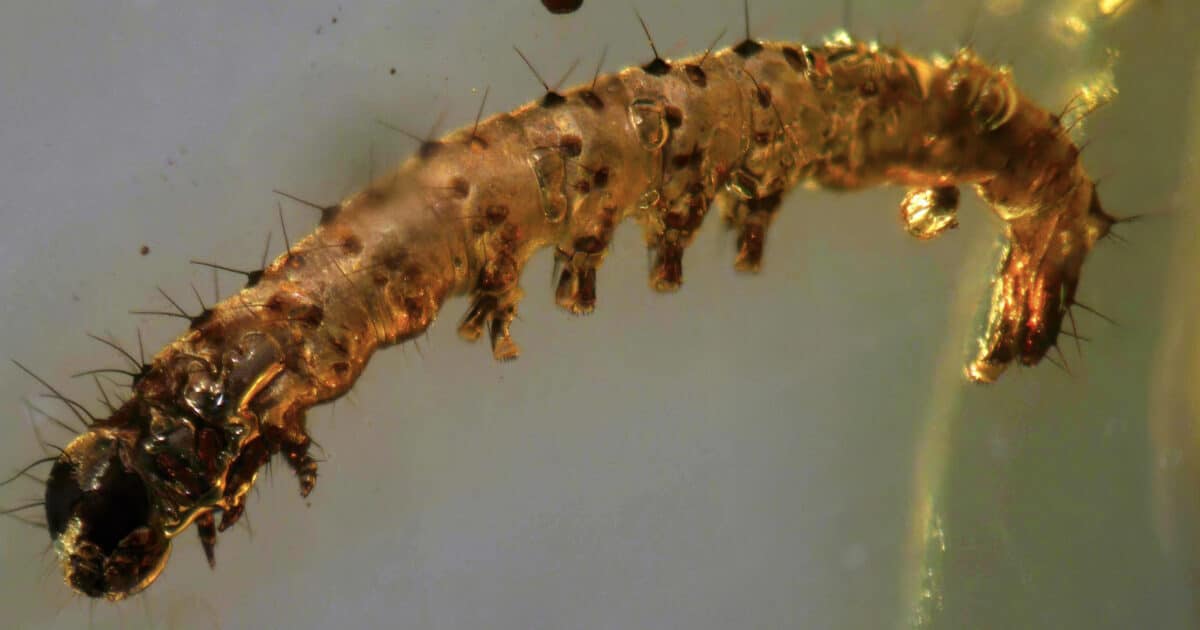
caterpillar
Photo: Caterpillar in Baltic amber, by Manukyan Andranik via Wikimedia, CC BY-SA 4.0 International).

Fossil Friday: How the Caterpillar Got Its Legs, or Not

In spite of all the scientific efforts by Darwinists, the origin of complete metamorphosis in holometabolan insects remains an unsolved mystery. Read More ›
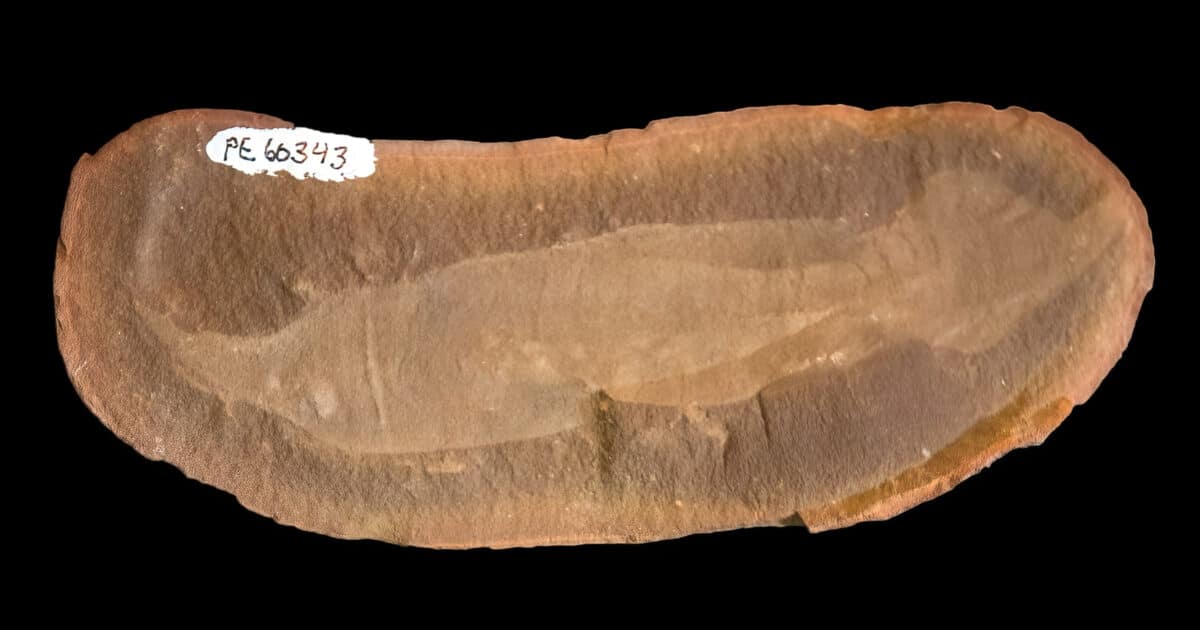
tullymonster
Photo credit: U.S. Department of Energy from United States, Public domain, via Wikimedia Commons.

Fossil Friday: The Stubborn Mystery of the Tully Monster
How much confidence should we really place in dubious fossil evidence when it is boldly claimed to prove Darwinian evolution as a fact? Read More ›
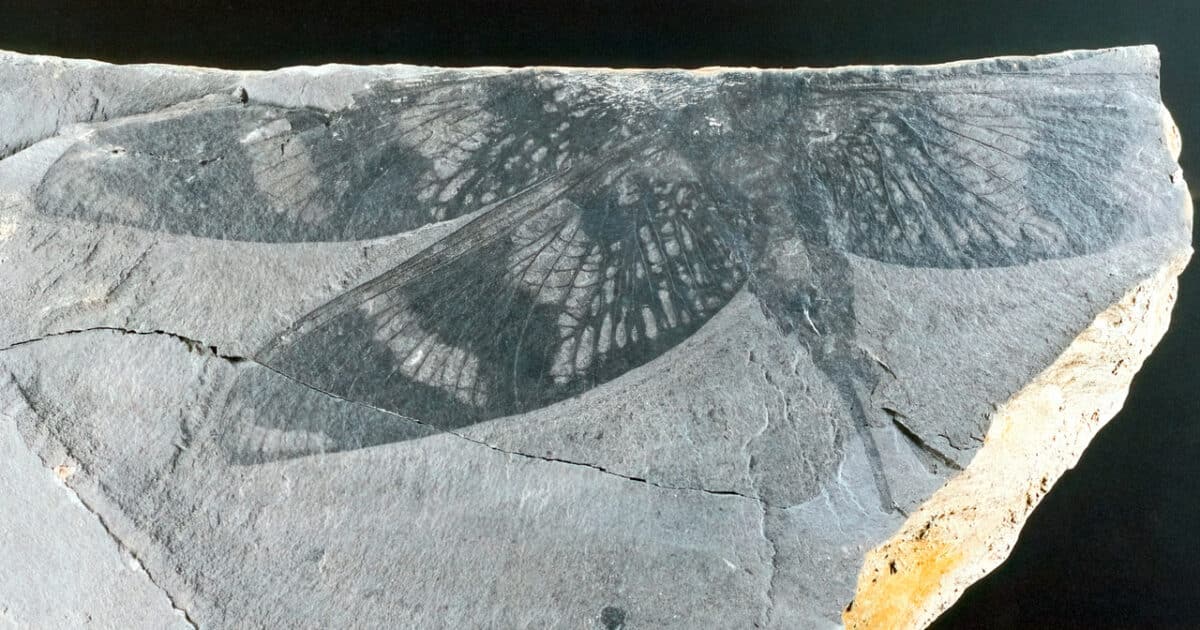
Lithomantis_Lutz_Koch
Photo: Lithomantis, courtesy of Lutz Koch.

Fossil Friday: The Abrupt Origin of Winged Insects
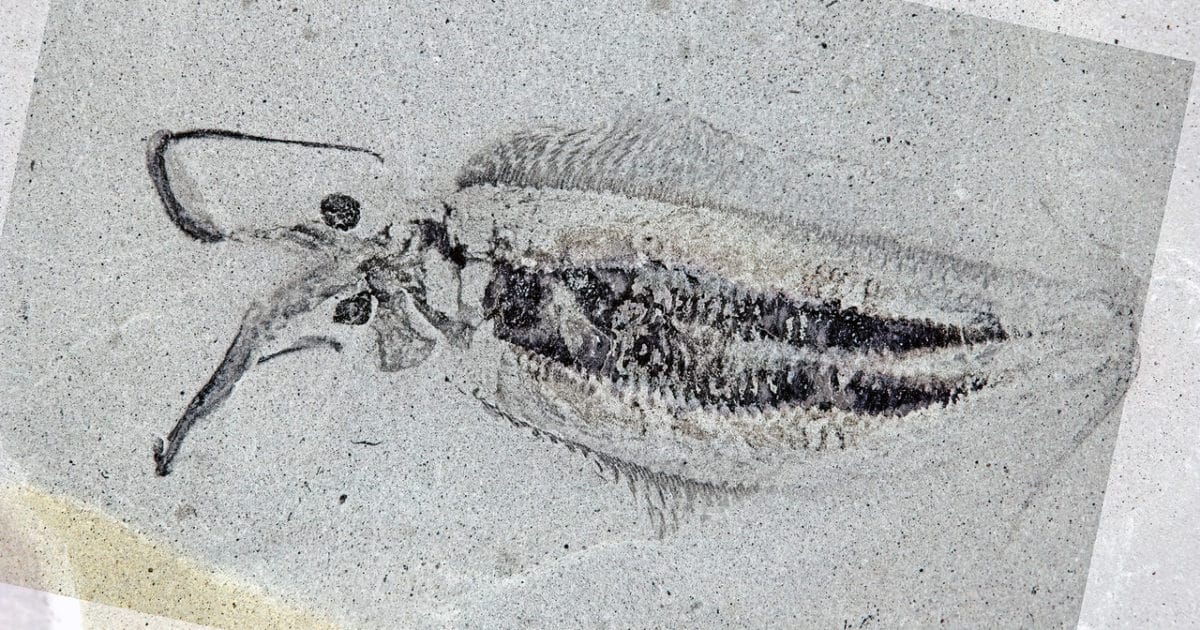
According to Darwinism, the evolution of such a system would have required a plethora of intermediate stages that brought this locomotory apparatus into being. Read More ›
Nectocaris
Photo credit: Martin R. Smith, CC0, via Wikimedia Commons.

Fossil Friday: Nectocaris, the Impossible Squid
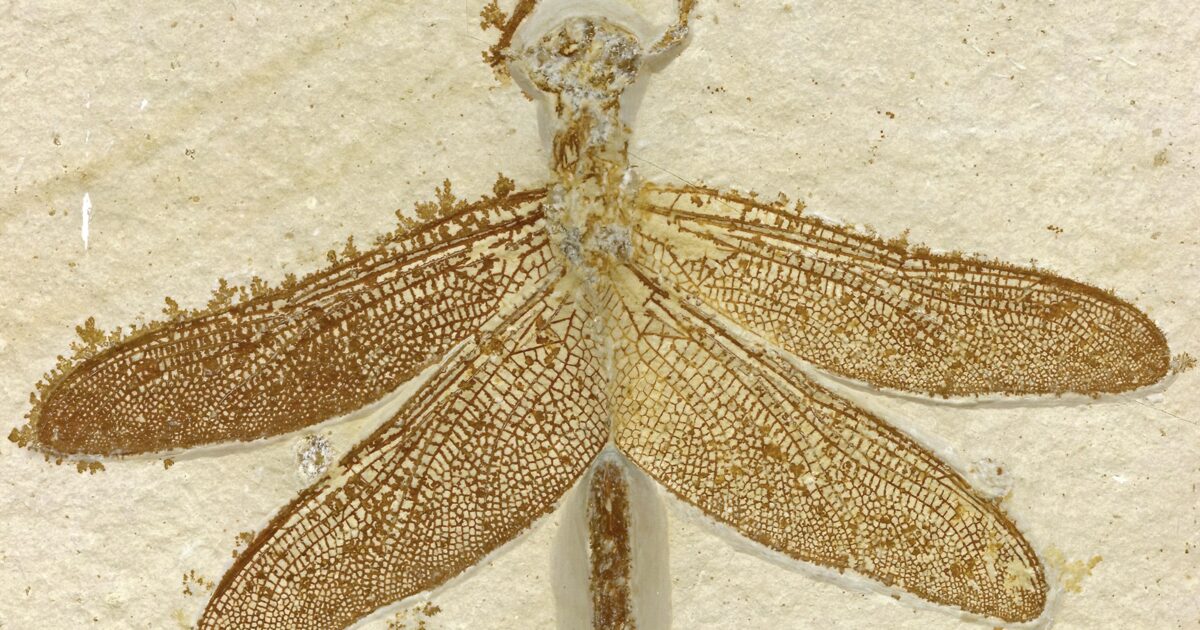
Paleontology sometimes seems like a kind of imaginative Rorschach test with the flattened fauna of roadkill. Read More ›
dragonfly 2
Photo: Mesuropetala schaeferi, by Günter Bechly.

Fossil Friday: Dragonfly from the Upper Jurassic
Almost everything in the wonderful construction of dragonflies cries out for a design explanation. Read More ›
Cambrian event
computer simulation
Image: A scene from The Information Enigma, via Discovery Institute.

Grandeur in Extinctions?

New corollary to an old law: Put Darwinian assumptions in, and you will get Darwinian models out. Read More ›
charcoal
Photo credit: Patrick Selin, via Unsplash.

The Role of Lignin for Fire, Explained

Without lignin, there would be no woody plants, no wood, no coal, no charcoal, no fire, no pottery, and certainly no iron or metallurgy. Read More ›
combustion
Photo credit: Alfred Kenneally, via Unsplash.

Why Do We Not Spontaneously Combust?

James Lovelock has pointed out that atmospheric levels of oxygen much above about 25 percent, let alone 30 percent, would cause raging conflagrations today. Read More ›
Blattoidae_-_Fossil

A Smell Test for Design v. Evolutionary Explanations

One of the reasons cockroaches are so successful is their keen sense of smell. Read More ›

© Discovery Institute