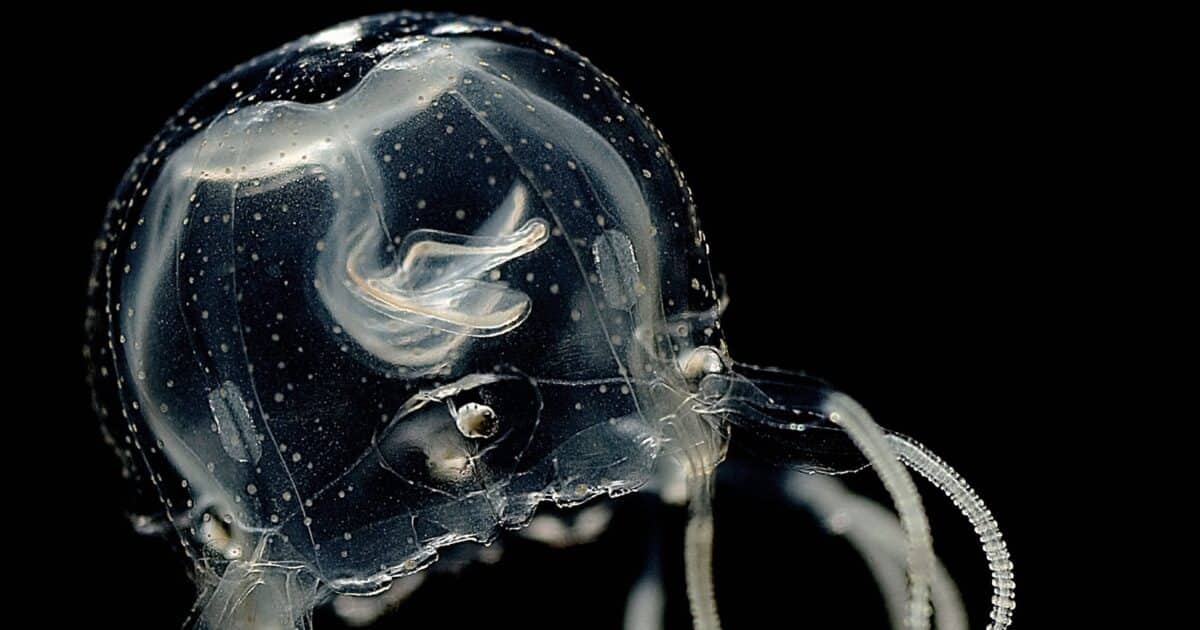
Tripedalia cystophora Type post Author Denyse O’Leary Date September 27, 2023 CategoriesIntelligent DesignNeuroscience & Mind Tagged , bioengineering, birds, cells, communication, consciousness, Daniel Dennett, human body, human consciousness, humans, illusion, insects, Integrated information theory, intelligence, jellyfish, Macquarie University, Michael Levin, Nature (journal), octopuses, panpsychism, physicalism, Tufts University, University of Montreal Can a Brainless Jellyfish Learn? How About Individual Cells? Do Molecules Communicate? Denyse O’Leary September 27, 2023 Intelligent Design, Neuroscience & Mind 8 Cells are intelligent, in a way. But that fact is a much better argument for intelligent design than for the idea that the human intellect is insignificant. Read More ›
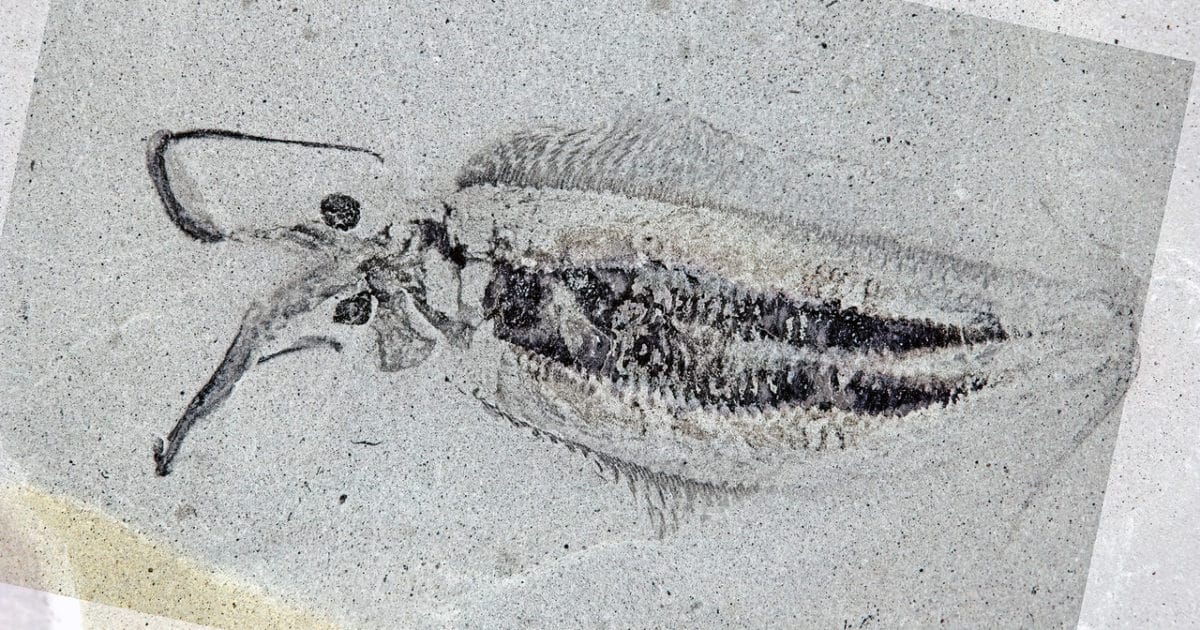
Nectocaris Type post Author Günter Bechly Date September 2, 2022 CategoriesBiologyPaleontologyScience Tagged , animal phyla, Anomalocaris, body plans, Burgess Shale, Cambrian Explosion, Carboniferous Period, cephalopods, chordates, evolution, Fossil Friday (series), fossil record, Lophotrochozoa, Macquarie University, new york, paleontology, Simon Conway Morris, squid, stem group Fossil Friday: Nectocaris, the Impossible Squid Günter Bechly September 2, 2022 Biology, Paleontology, Science 11 Paleontology sometimes seems like a kind of imaginative Rorschach test with the flattened fauna of roadkill. Read More ›
honey bee Type post Author Denyse O’Leary Date February 11, 2022 CategoriesBiologyIntelligent DesignNeuroscience & Mind Tagged , Australia, consciousness, evolution, honeybees, human consciousness, insects, intelligent design, Macquarie University, PNAS, Proceedings of the National Academy of Sciences, Smithsonian Magazine Can Insects Be Conscious? Let’s Look at Bees First Denyse O’Leary February 11, 2022 Biology, Intelligent Design, Neuroscience & Mind 4 It is important to qualify what “consciousness” means when we are talking about bees. Read More ›
TRAPPIST-1 Type post Author Michael Egnor Date March 9, 2020 CategoriesAstronomyBiologyPhysical Sciences Tagged , __edited, “consensus science”, abiogenesis, astrobiology, brain, carbon, consciousness, Darwinism, earth, extraterrestrial life, faith, Jeffrey Epstein, Macquarie University, Mars, materialism, neuroscience, nitrogen, oxygen, science fiction, SETI, universe The “Surprisingly Consistent” Answer to the Question: Are We Alone in the Universe? Michael Egnor March 9, 2020 Astronomy, Biology, Physical Sciences 5 The firm belief in extraterrestrial life — a belief nearly universal in the scientific community — is an act of faith. Read More ›