






































Science and Culture Today Discovering Design in Nature
Topic

bacterial flagellum

cephalopod
Photo credit: Gregor Austermann / Communications Biology, via EurekAlert!

Cephalopods Join the Cambrian Explosion? And Other Topics in ID

If fossils from Newfoundland have been interpreted correctly by paleontologists at Heidelberg University, they give more worries to Darwinists. Read More ›
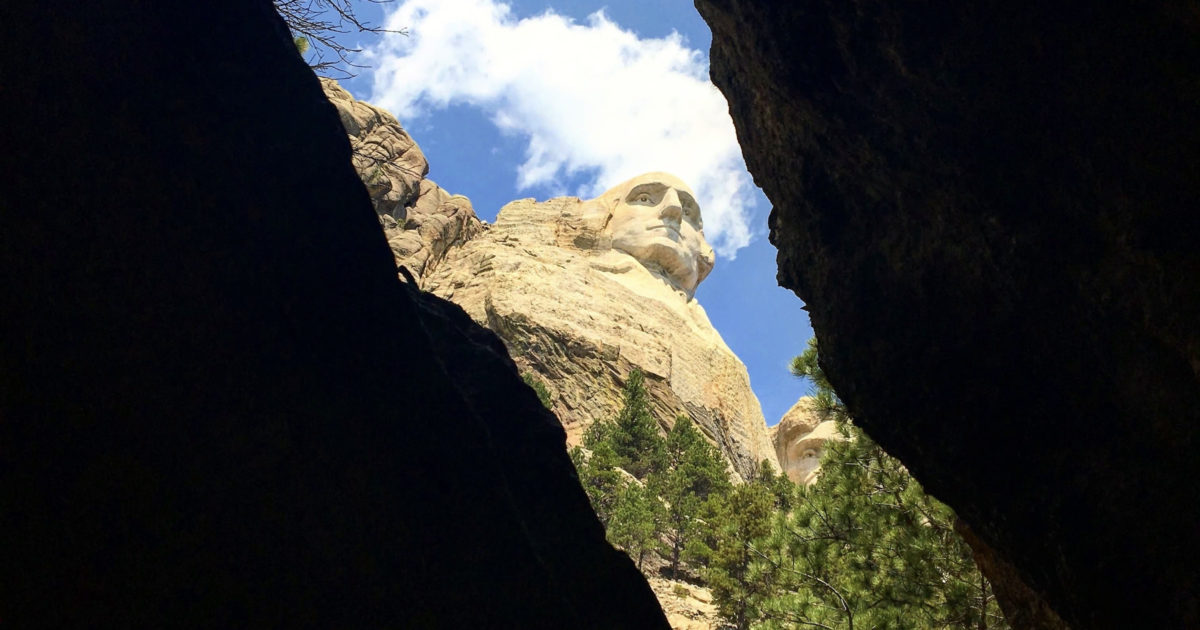
Mount-Rushmore
Photo credit: Adrian Yau via Unsplash.

Algorithmic Specified Complexity: Measuring Mount Rushmore

A non-humanoid gelatinous alien might assign no meaning to the faces on Mount Rushmore if the alien had never seen a humanoid. Read More ›
tap dancers
Photo: Tap dancing, Iowa State College, 1942, by Jack Delano, Public domain, via Wikimedia Commons.

Excerpt: An Obstacle to Darwinian Evolution

Rather than showing how their theory could handle the obstacle, some Darwinists are hoping to get around irreducible complexity by verbal tap dancing. Read More ›
mousetraps
Photo: Mousetraps, by Tom, CC BY 2.0 <https://creativecommons.org/licenses/by/2.0>, via Wikimedia Commons.

Michael Behe: Battle of the Mousetraps

Behe used the common mousetrap to illustrate irreducible complexity, showing how various mechanical contrivances need all of their main parts to function. Read More ›
Secrets Behe 4
wolves

Behe: The Case for Intelligent Design Grows with Science

Evolution’s proper place of study has moved from gross anatomy and population genetics to biochemistry. Read More ›
atomium
Photo: Atomium, Belgium, by Raphaël Biscaldi, via Unsplash.

“Resolution Revolution”: Intelligent Design, Now at the Atomic Level

Breakthroughs in imaging are allowing scientists to see iconic molecular machines in unprecedented detail. This will be a great boon for design science. Read More ›
Mousetrap Behe

Matti Leisola: Michael Behe “Opened My Eyes”

To say that a writer "opened your eyes," and to something as profound as the design of life, is a fantastic tribute. Read More ›
Behe and Mousetrap
Image source: Discovery Institute.

November: In a New Book, Michael Behe Springs a Trap for Darwin
How could blind evolution arrange biochemical parts into complex functional wholes one small step at a time, as Darwin and his followers envision? Read More ›
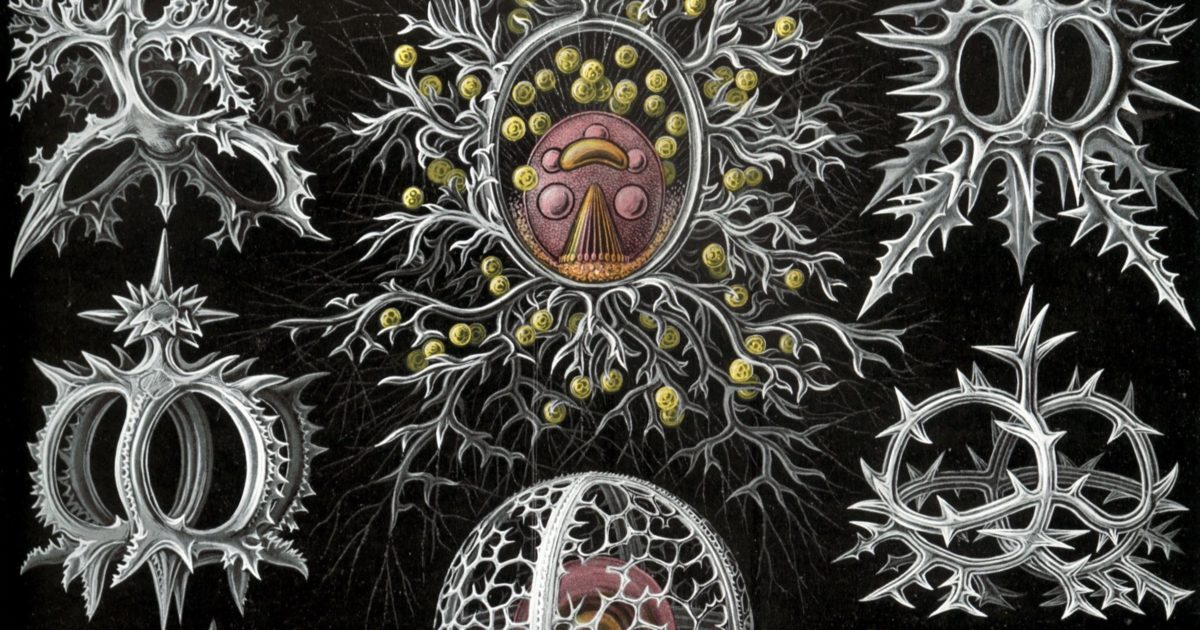
Radiolarian shells
Radiolarian shells
Image: Radiolarian shells, by Ernst Haeckel / Public domain.

Excerpt — The Infinite Complexity of Cells
The unique powers of cells — their “demonic catalytic powers” — and their fitness to play their unique role as the building blocks of all life are a wonder. Read More ›
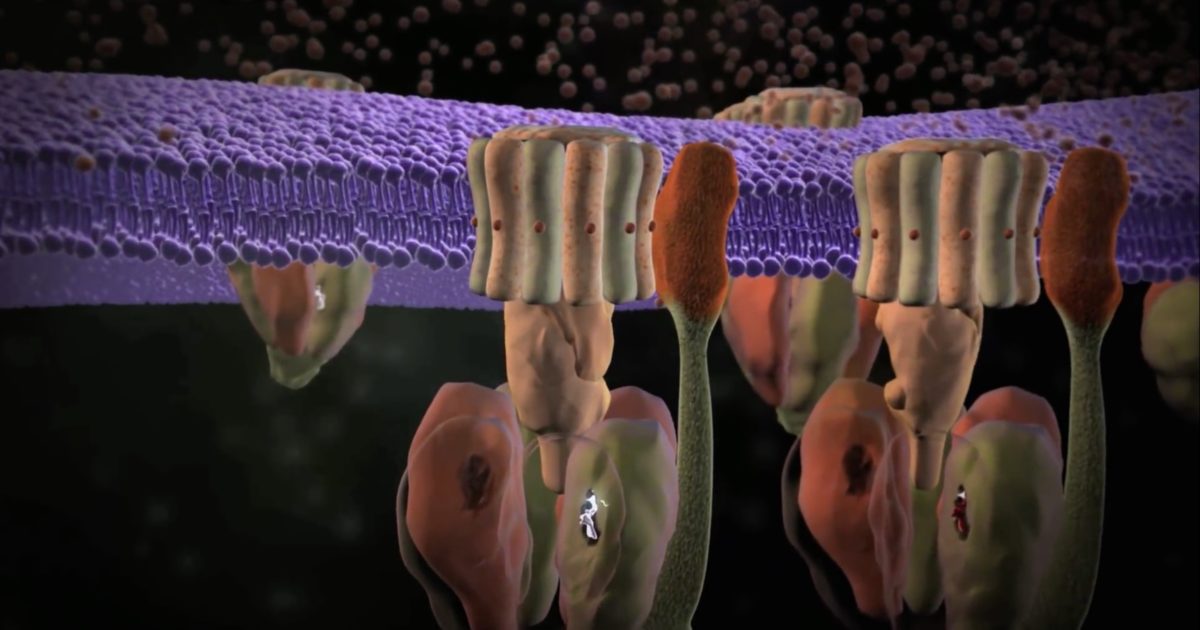
ATP Synthase
Image: A scene from "Molecular Machines — ATP Synthase: The Power Plant of the Cell," via Discovery Institute.

New Research Finds Molecular Machines Are Even More Amazing than Behe Realized

With better imaging and analysis techniques, details about icons of design are coming into clearer focus. The icons are looking better than ever. Read More ›

© Discovery Institute