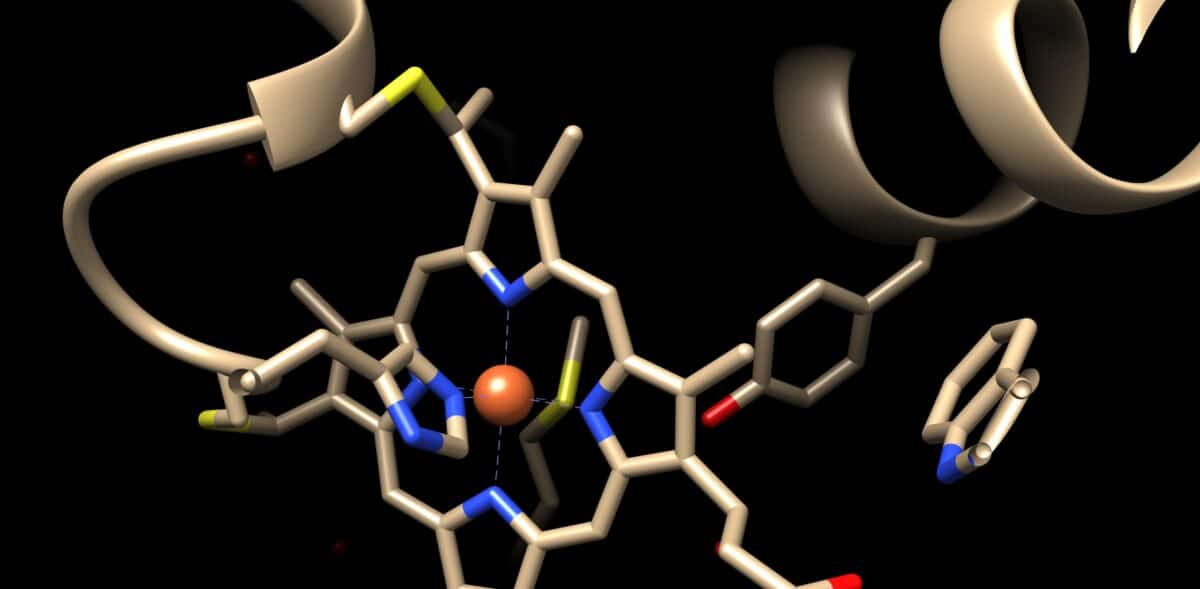
Cytochromecimage Type post Author David Coppedge Date February 12, 2026 CategoriesEvolutionIntelligent Design Tagged , Caltech, carbon-silicon bonds, cells, cytochrome c, directed evolution, enzyme, Frances Arnold, Hendrik F. T. Klare, homochirality, Iceland, intelligent design, Martin Oestreich, materialists, microbes, molecules, natural, New Scientist, pharmaceuticals, polymers, rational thought, Science (journal), semiconductors, silicon, unnatural Clarity, Please: If Scientists Repurpose an Enzyme, Is It Intelligent Design? David Coppedge February 12, 2026 Evolution, Intelligent Design 7 Four Caltech scientists taught “nature” to do the “unnatural” by first isolating a microbe that lives in the hot springs of Iceland. Read More ›
Yuval-Noah-Harari Type post Author David Klinghoffer Date May 18, 2025 CategoriesBioethicsEvolutionPsychology Tagged , biology, Charles Darwin, evolution, historians, natural, Nature, nihilism, purpose, sexuality, transphobia, unnatural, Wikipedia, Yuval Noah Harari Harari: “Darwin Is the Prophet” David Klinghoffer May 18, 2025 Bioethics, Evolution, Psychology 2 I’ve never heard evolution and nihilism connected so clearly and concisely, and the implications vastly exceed sexuality. Read More ›
2560px-TheStar-DancerinPointebyEdgarDegasNorton Type post Author Eric Hedin Date April 30, 2025 CategoriesBiologyEvolutionIntelligent Design Tagged , atoms, biosignature, Brian Miller, cells, choices, chromosomes, cognition, David Coppedge, decision-making, DNA, enzymes, extraterrestrial life, information, information processing, living systems, natural processes, primitive, senses, unnatural Information Processing: An Unnatural Attribute of Life Eric Hedin April 30, 2025 Biology, Evolution, Intelligent Design 6 The purpose-driven responsiveness of living systems to information appears as a truly confounding enigma for naturalistic explanations Read More ›
Miracle of the Cell Type post Author Eric Hedin Date February 7, 2024 CategoriesBiologyEvolutionIntelligent DesignLife Sciences Tagged , Adam Frank, astronomers, black hole, cells, consciousness, Denyse O'Leary, information, intelligence, intelligent design, James Barham, James Shapiro, life, Michael Levin, Mind Matters, natural, naturalism, panpsychism, self-replication, sentience, signaling, symbiosis, teleology, Tufts University, University of Chicago, unnatural, vitalism What Is the Essence of Life? Eric Hedin February 7, 2024 Biology, Evolution, Intelligent Design, Life Sciences 8 The strength of the intelligent design explanation for life lies in its full-orbed ability to address all aspects of life. Read More ›
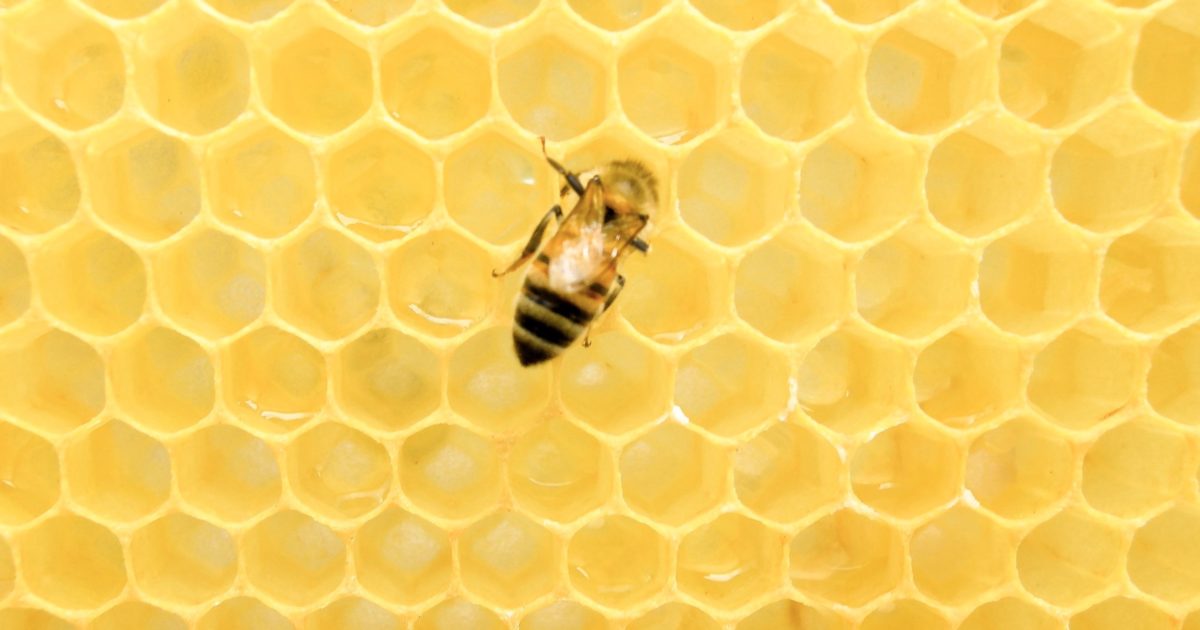
honeycomb Type post Author David Coppedge Date November 10, 2022 CategoriesBiologyEngineeringEvolutionIntelligent Design Tagged , Aristotle, bacteria, C.S. Lewis, City Journal, coronavirus, embryo, evolution, fish, honeybees, humans, intelligent design, Nature (journal), Nicholas Wade, oceans, Phys.org, rock, soil, unnatural, Wuhan More Unnatural Naturalism, and More Confusion from Naturalists David Coppedge November 10, 2022 Biology, Engineering, Evolution, Intelligent Design 6 Honeybees and cells have a limited set of options that are programmed into their genomes. Read More ›
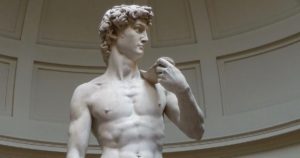
Michelangelo’s David Type post Author Douglas Axe Date June 22, 2018 CategoriesBiologyFaith & ScienceGenetics Tagged , __k-review, bacteria, biogeography, Charles Darwin, common descent, cosmic rays, Darwinism, Douglas Axe, earth, Hans Vodder, intelligent design, Michelangelo’s David, miracles, natural, natural selection, On the Origin of Species, paleontology, theistic evolution, Tree of Life, Undeniable (book), unnatural, wind Two Views of Evolution, and Why They Don’t Mix Douglas Axe June 22, 2018 Biology, Faith & Science, Genetics 6 If he chose to, could God use a sandstorm to turn a block of marble into a representation of the human form that would put Michelangelo’s David to shame? Read More ›