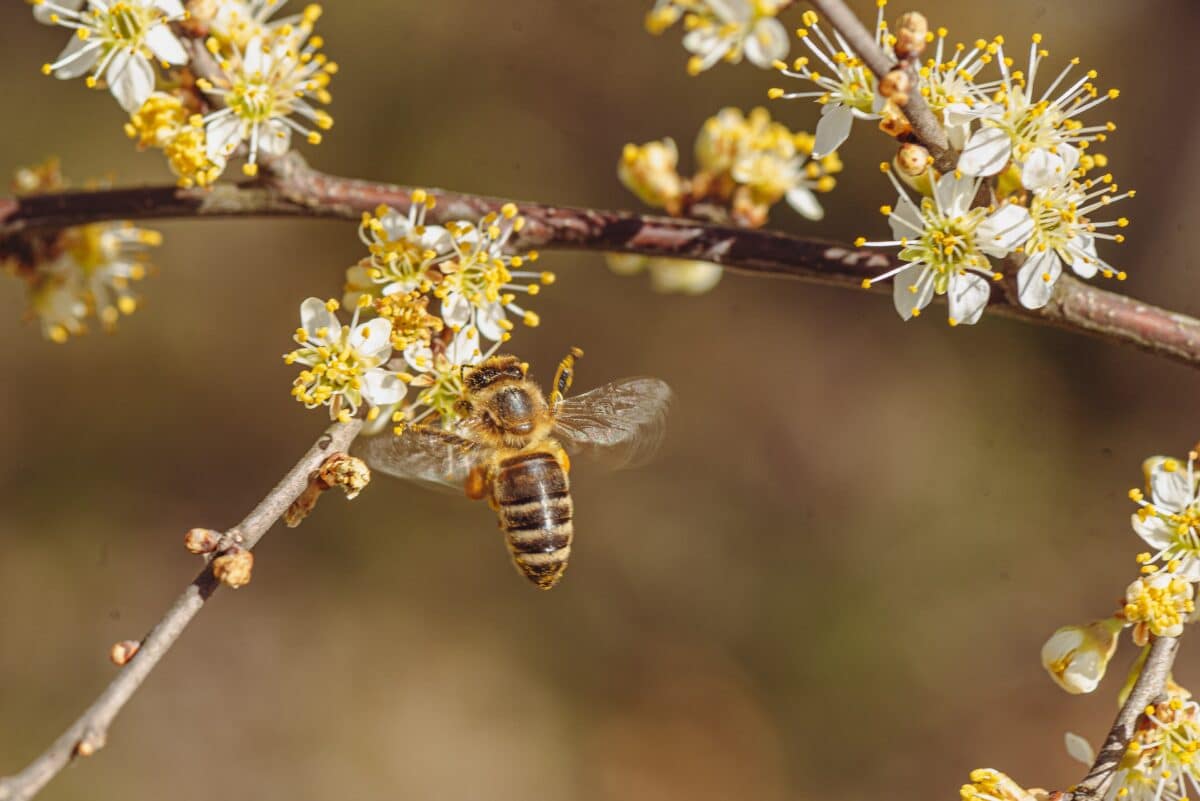
20250412Apismellifera01 Type post Author Eric Cassell Date February 17, 2026 CategoriesIntelligent DesignZoology Tagged , animal behavior, Apis mellifera, bees, behavior, behavioral decisions, brain, communication systems, decision-making, depth, engineering, flower print, flowers, food, foraging, honeybees, intelligent design, Lars Chittka, learning, mantids, memory, mimicry, nectar, noise, pollen, predators, primates, psychology, punishment, quinine, Radar, reward, signal-to-noise ratio, spiders, sugar, trade-offs, University of Sheffield, vegetation, World War II Sophistication of Bee Decision-Making Is a Mystery, Unless Design Hypothesis Is Permitted Eric Cassell February 17, 2026 Intelligent Design, Zoology 8 Distinguishing a real flower from a flower print on a woman’s dress can come into play, possibly requiring some experimental probing. Read More ›
cafe-darwin-jannik-2400x1672 Type post Author Michael Flannery Date July 14, 2021 CategoriesBioethicsEvolution Tagged , Adrian Desmond, Alfred Russel Wallace, Charles Darwin, culture, Darwinian theory, gender, history, James Moore, morality, prejudices, Racism, Richard Owen, The College Fix, The Descent of Man, University of Sheffield, women Charles Darwin: Racist Spokesman for Anglo-Male Superiority? Michael Flannery July 14, 2021 Bioethics, Evolution 4 The University of Sheffield’s teaching and research handbook has declared Charles Darwin a “racist.” Read More ›
cafe-darwin-jannik-2400x1672 Type post Author Michael Flannery Date May 13, 2021 CategoriesBioethicsEvolution Tagged , Adrian Desmond, cancel culture, Charles Darwin, history, intelligence, James Moore, morality, natural selection, Racism, Richard Owen, The College Fix, The Descent of Man, University of Sheffield, women Charles Darwin: Racist Spokesman for Anglo-Male Superiority? Michael Flannery May 13, 2021 Bioethics, Evolution 4 The University of Sheffield’s teaching and research handbook has declared Charles Darwin a “racist.” Read More ›
fairy circles Type post Date March 20, 2019 CategoriesBiologyEcologyIntelligent Design Tagged , __k-review, apes, Australia, blue whale, cancer, DNA, epigenetics, evolutionary tree, Harvard University, humidity, humpback whale, Illustra Media, intelligent design, Living Waters, Metamorphosis, MIT, monarch butterfly, mutations, natural selection, NOAA, oxygen, pesticides, photosynthesis, PLOS ONE, Rubisco, Science Advances, spider silk, termites, UCLA, University of Sheffield, Weizmann Institute Fairy Circles, Spider Silk, Epigenetics, and More: Intelligent Design in the News Science & Culture March 20, 2019 Biology, Ecology, Intelligent Design 8 So-called “fairy circles” yielded to a natural explanation, according to a research team: they are abandoned termite mounds. Now, however, another natural theory is rising. Read More ›
Victor Borge Type post Date July 7, 2017 CategoriesEngineeringIntelligent Design Tagged , __k-review, evolution, hands, Howard Glicksman, information, intelligent design, nerves, physiology, PNAS, sensors, skin, Steve Laufmann, touch, University of Chicago, University of Sheffield Design at Your Fingertips: Researchers Struggle to Model Sense of Touch Science & Culture July 7, 2017 Engineering, Intelligent Design 8 Your hands feel in detail thanks to tens of thousands of sensors, and detailed information encoded by their positions and firing times. Read More ›