speciation
Praised be Darwin! Do Fruit Flies Bust Behe?
My Speciation Is Full of Eels
An old Monty Python sketch about a mistranslated Hungarian-to-English phrasebook made infamous the line, “My hovercraft is full of eels.” Today, evolutionary biologists are puzzled about something equally bizarre: why are eels so full of speciation? One biologist recently said on ScienceDaily, “How can you have seven species of the same fish eating the same thing and, quite literally, living under the same rock?” Under evolutionary biology, one would expect to find some mechanism–perhaps a geographic barrier like a large expanse of open ocean–responsible for the reproductive isolation that generated the new “species.” Instead, they found this: To find out the biologists looked at selected mitochondrial and nuclear genes and asked whether there were unique alleles (variants) of these genes Read More ›
Wired Science: One Long Bluff
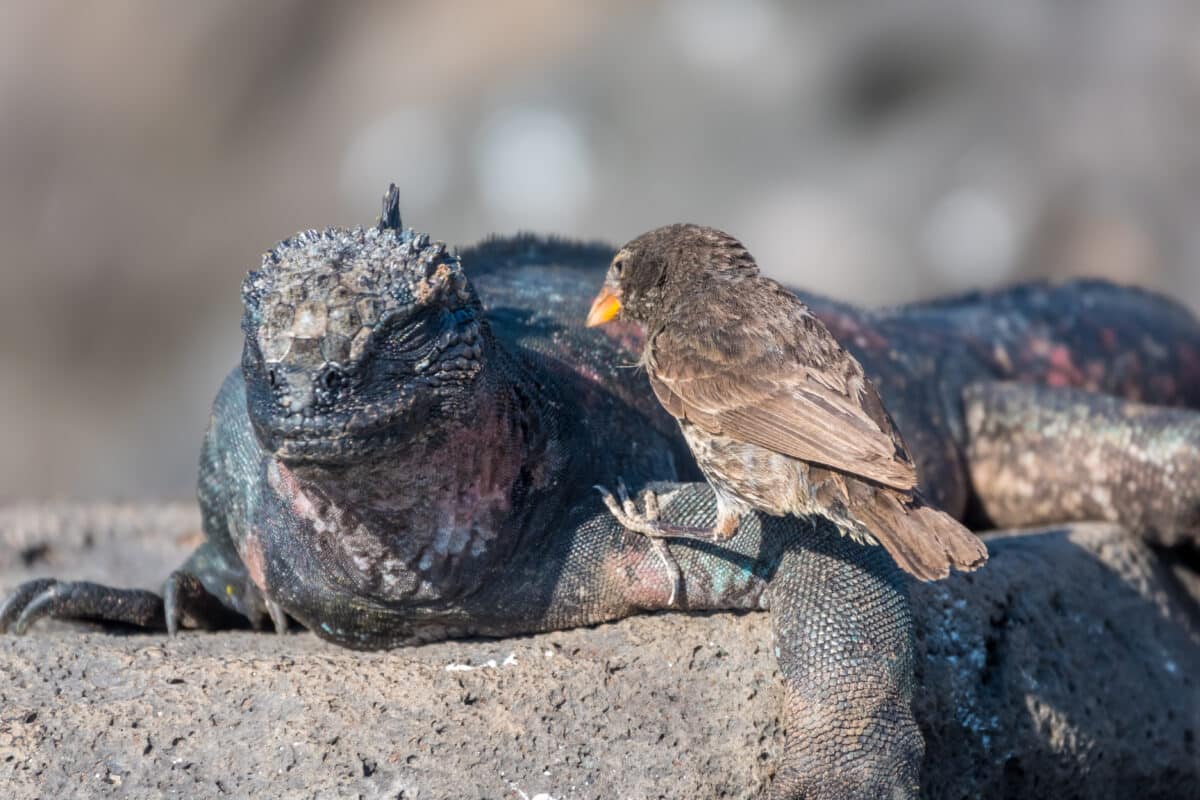
According to a recent online report from Wired Science, “On one of the Galápagos islands whose finches shaped the theories of a young Charles Darwin, biologists have witnessed that elusive moment when a single species splits in two.” If it were true, this would be very important news. Evolutionary biologists have long recognized that Charles Darwin (despite the title of his most famous book) failed to solve what he called “the mystery of mysteries,” — the origin of species. Darwin argued that it happens by natural selection acting on small variations, but no one has ever observed the origin of a new species (“speciation”) by this process. Evolutionary biologist Keith Stewart Thomson wrote in 1997 that “a matter of unfinished Read More ›