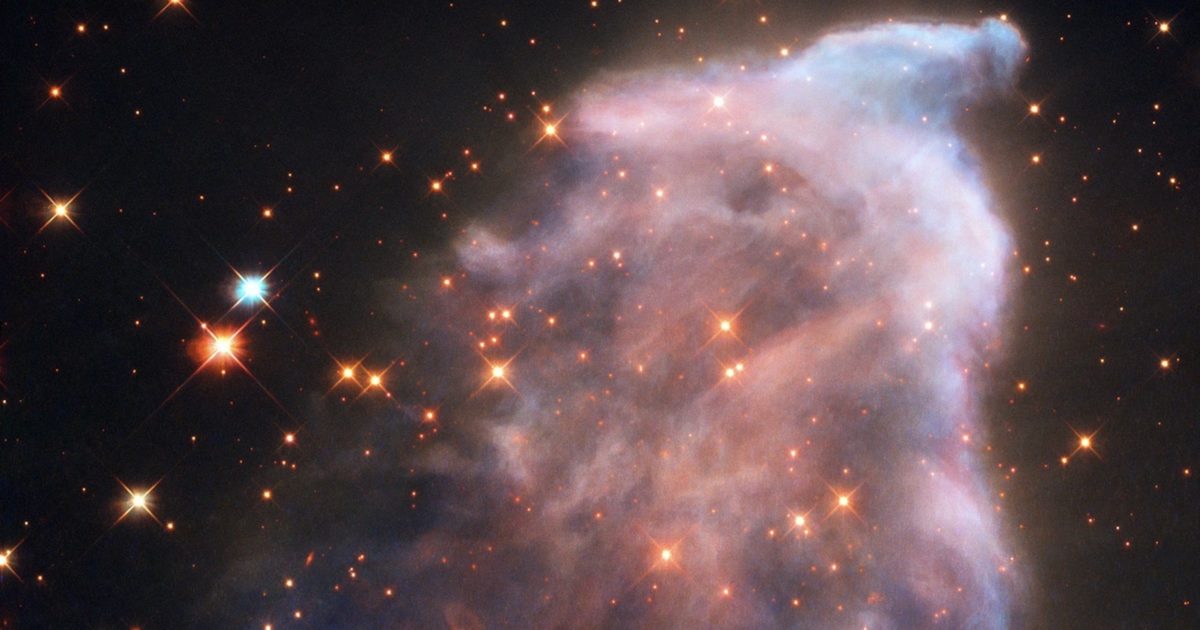
Ghost Nebula Type post Author Brian Miller Date October 16, 2020 CategoriesFine-tuningIntelligent DesignPhysical Sciences Tagged , Bernard Carr, Earth-like planets, electromagnetic force, electrons, George Ellis, gravity, heavy elements, intelligent design, Luke Barnes, oxygen, Paul Davies, Sabine Hossenfelder, supernova, temperatures, theoretical physics Physicist Sabine Hossenfelder Challenges the Evidence for Cosmological Fine-Tuning Brian Miller and Stephen C. Meyer October 16, 2020 Fine-tuning, Intelligent Design, Physical Sciences 5 Hossenfelder’s strongest argument is that many fine-tuning parameters cannot in fact be quantified. Read More ›
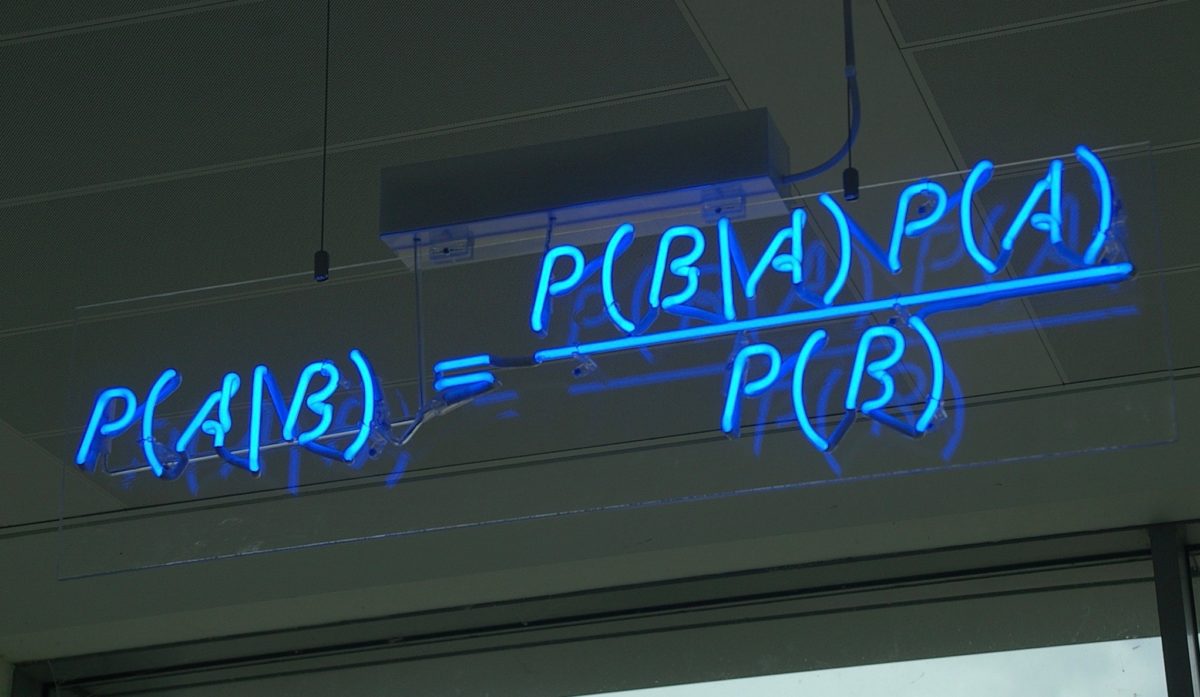
Bayes'-Theorem Type post Author Jonathan McLatchie Date July 14, 2020 CategoriesEpistemologyFine-tuningIntelligent Design Tagged , Bayes’ Theorem, Big Bang, biological design, cosmic fine-tuning, evidence, helium, hydrogen, intelligent design, life, likelihood, Luke Barnes, Lydia McGrew, Stephen Meyer, Thomas Bayes, William A. Dembski, William Lane Craig A Bayesian Approach to Intelligent Design Jonathan McLatchie July 14, 2020 Epistemology, Fine-tuning, Intelligent Design 5 I have come to think of evidence in Bayesian terms and this has in turn impacted the way I think about the biological arguments for ID. Read More ›
Jupiter-2048x1075 Type post Author Robert A. Alston Date May 26, 2020 CategoriesPhilosophyPhysical Sciences Tagged , A Fortunate Universe, Alexander Vilenkin, carbon, cosmic fine-tuning, cosmic microwave background radiation, Edwin Hubble, electromagnetism, existence, Fred Hoyle, Georges Lemaître, Geraint Lewis, Goldilocks, gravity, Kalam cosmological argument, Luke Barnes, Martin Rees, quantum cosmology, strong nuclear force, universe, weak nuclear force, William Lane Craig Book Excerpt: The Big Bang and the Fine-Tuned Universe Robert A. Alston May 26, 2020 Philosophy, Physical Sciences 9 What can we infer about the cause of the universe, about what brought it into being? Read More ›
A new composite image of the Crab Nebula features X-rays from Chandra, optical data from Hubble, and infrared data from Spitzer. Type post Author Guillermo Gonzalez Date May 8, 2020 CategoriesCosmologyPhysical Sciences Tagged , A Fortunate Universe, atheism, Big Bang, Borde-Guth-Vilenkin theorem, Cambridge University Press, Christians, Copernican demotion, Darwinism, Geraint Lewis, intelligent design, Luke Barnes, Michael Keas, redshift, Return of the God Hypothesis, Second Law of Thermodynamics, Stephen Meyer Recommended Reading: A Handbook of the Big Bang Guillermo Gonzalez May 8, 2020 Cosmology, Physical Sciences 9 Perhaps the publisher, Cambridge University Press, thought the title might help sales with a younger, hipper generation. Read More ›