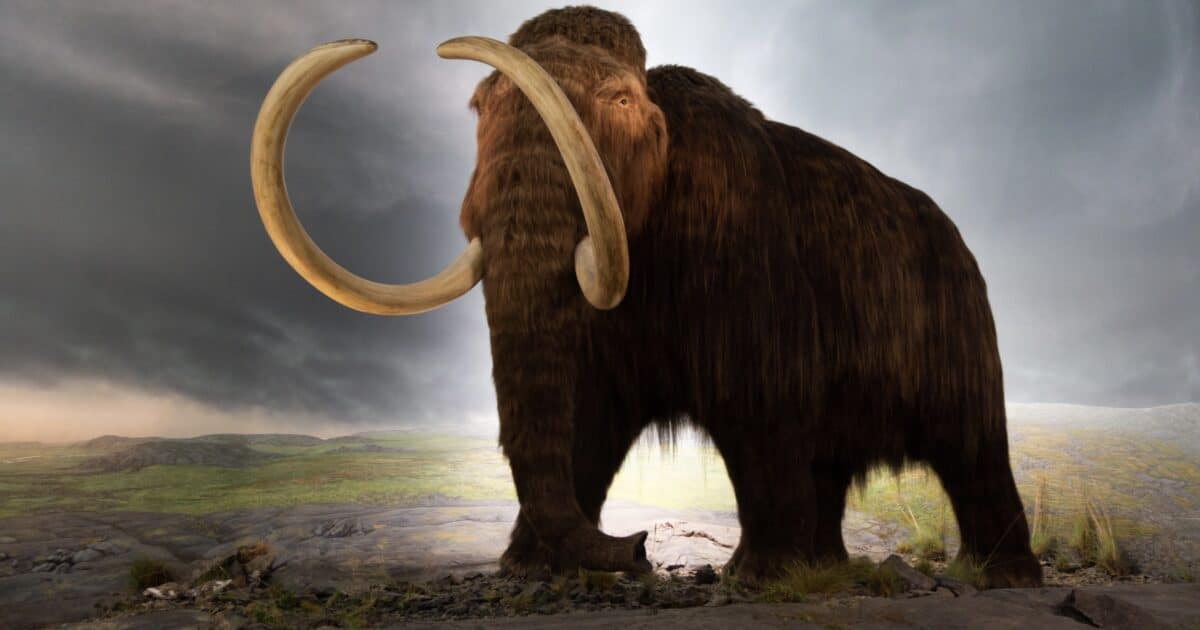
Mammoth Type post Author Rob Sheldon Date April 5, 2023 CategoriesEcologyEvolutionPaleontology Tagged , “consensus science”, Arctic Ocean, Asian elephant, bison, Brave New World, carbon dioxide, CRISPR-Cas9, de-extinction, DNA, elephants, epigenetics, extinction, global warming, Great Lakes, greenhouse gas, Ice Age, marsupials, methane, North America, passenger pigeon, Pleistocene, Pleistocene Park, Sergey Zimov, settled science, Siberia, South Africa, The Atlantic, wooly mammoth Pleistocene Park: What Could Possibly Go Wrong? Rob Sheldon April 5, 2023 Ecology, Evolution, Paleontology 6 The idea is to recreate some of the DNA from the sequencing of frozen mammoths, and inject it into an Asian elephant egg. Read More ›
hand in mirror 2 Type post Author David Coppedge Date November 29, 2022 CategoriesBiologyIntelligent DesignLife Sciences Tagged , amino acids, biochemists, brain damage, Casey Luskin, chemists, chirality, CRISPR-Cas9, DNA, evolution, fruit flies, homochirality, intelligent design, isoforms, James Tour, life, Louis Pasteur, lung cancer, Nature Communications, proteins, Rob Stadler, sugar, tumors Same-Handed Molecules Are an “Overarching Design Principle” in Life, Say Researchers David Coppedge November 29, 2022 Biology, Intelligent Design, Life Sciences 7 Without foresight to solve heterochiral incidents, a primordial cell would quickly perish even if, against all odds, it began homochiral. Read More ›

borgs Type post Author David Coppedge Date October 21, 2022 CategoriesEvolutionIntelligent Design Tagged , archaea, Borgs, Colorado, CRISPR-Cas9, Darwinian theory, DNA, evolution, genes, genetic information, greenhouse gases, heavy metals, Jennifer Doudna, Lawrence Berkeley National Lab, methane, Methanoperedens, microbes, Nature (journal), Star Trek, toxins Beneficial Borgs Have Landed David Coppedge October 21, 2022 Evolution, Intelligent Design 5 Borg theory represents a major paradigm shift about how genetic information is stored and shared. Read More ›
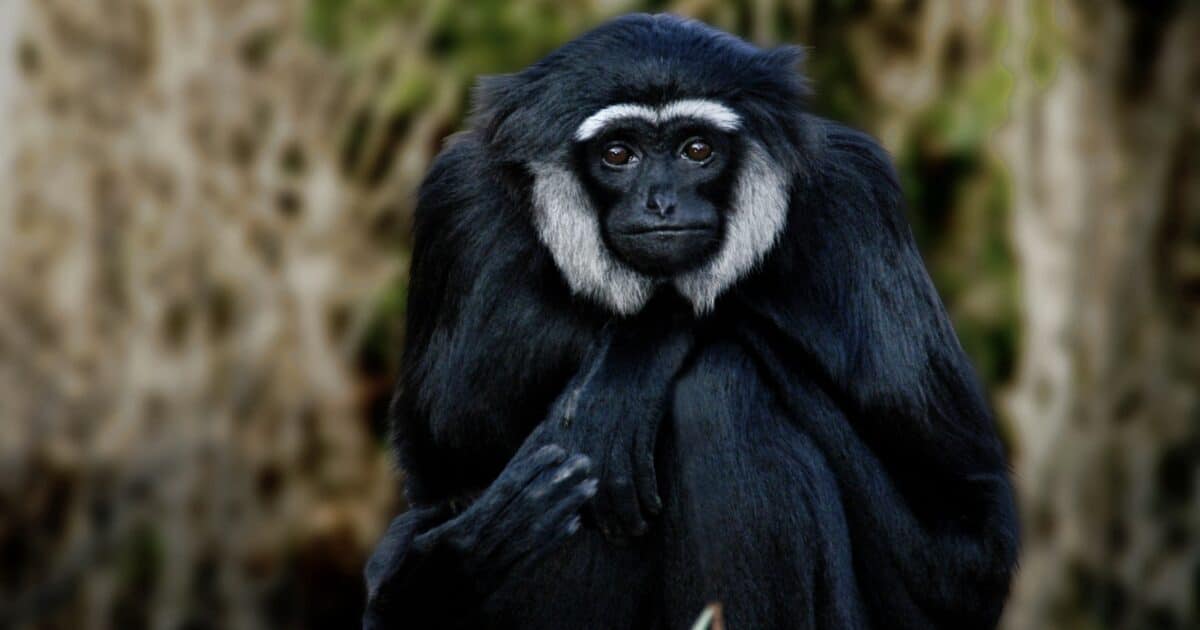
gibbon Type post Author Emily Reeves Date August 4, 2022 CategoriesBiologyEvolutionIntelligent Design Tagged , common ancestry, common design, CRISPR-Cas9, dependency graph, Discovery Institute, Dogs, evolution, genetic code, genetic similarity, Gutsick Gibbon, health, intelligent design, S. Joshua Swamidass, separate ancestry, Winston Ewert, YouTube videos I Got Critiqued by YouTuber Gutsick Gibbon Emily Reeves August 4, 2022 Biology, Evolution, Intelligent Design 6 Erika is pursuing her Master’s of Research in Primate Biology, Behavior and Conservation and is the creator of hundreds of punchy, entertaining YouTube videos. Read More ›

DNA Type post Date January 20, 2021 CategoriesEnvironment & ClimateIntelligent Design Tagged , amino acids, bacteria, California, cells, Columbia University, CRISPR-Cas9, DNA, Escherichia coli, genes, information, intelligent design, junk DNA, Nature (journal), New York City, ribosomes, semantic information, serine, steganography, translation DNA Storage Goes Biological Science and Culture January 20, 2021 Environment & Climate, Intelligent Design 11 DNA is already known to be an ideal storage medium. Why not use cells to do the hard work? Read More ›
topiary-animals Type post Date March 13, 2020 CategoriesIntelligent Design Tagged , __edited, Ann Gauger, bacteria, bioengineering, Charles Darwin, Charles Thaxton, corn, Craig Venter, CRISPR-Cas9, design filter, Design Inference, DNA, Dogs, Douglas Axe, ETH Zurich, Galápagos Islands, genotype, intelligent design, maize, Mars rover, natural, Nature (journal), No Free Lunch, Paul Nelson, phenotype, Roger Olsen, Technion, The Design Revolution, The Mystery of Life’s Origin, Walter Bradley, William A. Dembski, wolves Blurring the Line Between Natural and Artificial Science and Culture March 13, 2020 Intelligent Design 9 As technology mimics nature, at what point might future investigators be unsure about natural versus intelligent causes? Read More ›

Undeniable Type post Date July 20, 2017 CategoriesEvolutionIntelligent DesignScience Tagged , __edited, C. elegans, CRISPR-Cas9, Douglas Axe, ENCODE, glycans, How to Build a Worm, Jonathan Wells, junk DNA, Michael Denton, Steve Laufmann, sugar code, sugars, Undeniable (book) As Undeniable Debuts in Paperback, Frontiers in Biology Demonstrate Axe’s “Functional Coherence” Science and Culture July 20, 2017 Evolution, Intelligent Design, Science 9 Three brand new avenues of scientific discovery appear to need nothing from Darwinism. Read More ›


Type post Date April 12, 2017 CategoriesEvolutionScience Tagged , __k-review, CRISPR-Cas9, Darwin's tree, gene editing, prokaryotes, Research, Zombie Science (book) Programmable Memory in Prokaryotes Science and Culture April 12, 2017 Evolution, Science 5 In the past couple of days, we've documented upsets in conventional evolutionary thinking. Here's a third. Read More ›