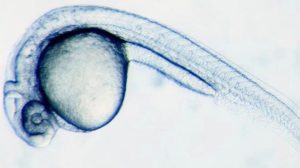
Zebrafish embryo Type post Date May 15, 2018 CategoriesIntelligent Design Tagged , __k-review, C. elegans, Cassini mission, development, DNA, Douglas Axe, Elizabeth Pennisi, embryo, evolution, functional whole, gene, Harvard Medical School, Harvard University, How to Build a Worm, intelligent design, ontogeny, Paul Nelson, RNA, science, University of Basel, zebrafish, zygote Out of One Cell, Many Tissues — But How? Science & Culture May 15, 2018 Intelligent Design 10 Scientists are delving into the remarkable way a zygote grows through its embryonic stages to an adult. Read More ›
Paul Nelson Type post Date April 19, 2018 CategoriesEvolutionIntelligent Design Tagged , __k-review, critics, Discovery Institute, evolution, How to Build a Worm, intelligent design, Paul Nelson, pseudoscience, Stockholm Syndrome, Wikipedia Online Seminar: Paul Nelson Will Discuss Ontogenetic Depth — in Depth! Science & Culture April 19, 2018 Evolution, Intelligent Design 1 Paul acknowledges that OD is currently impossible to measure — so why talk about it live, while fielding questions? Tune in and find out. Read More ›
How to Build a Worm Type post Date April 11, 2018 CategoriesBiologyEvolutionIntelligent Design Tagged , __k-review, C. elegans, comedy, complexity, eukaryotes, evolution, evolutionary theory, How to Build a Worm, jokes, Paul Nelson, property, PZ Myers Ontogenetic Depth — A Problem for Evolution That’s Not Going Away Science & Culture April 11, 2018 Biology, Evolution, Intelligent Design 2 Being unable to measure ontogenetic depth is not good news for evolutionary theory. Read More ›
Undeniable Type post Date July 20, 2017 CategoriesEvolutionIntelligent DesignScience Tagged , __edited, C. elegans, CRISPR-Cas9, Douglas Axe, ENCODE, glycans, How to Build a Worm, Jonathan Wells, junk DNA, Michael Denton, Steve Laufmann, sugar code, sugars, Undeniable (book) As Undeniable Debuts in Paperback, Frontiers in Biology Demonstrate Axe’s “Functional Coherence” Science & Culture July 20, 2017 Evolution, Intelligent Design, Science 9 Three brand new avenues of scientific discovery appear to need nothing from Darwinism. Read More ›