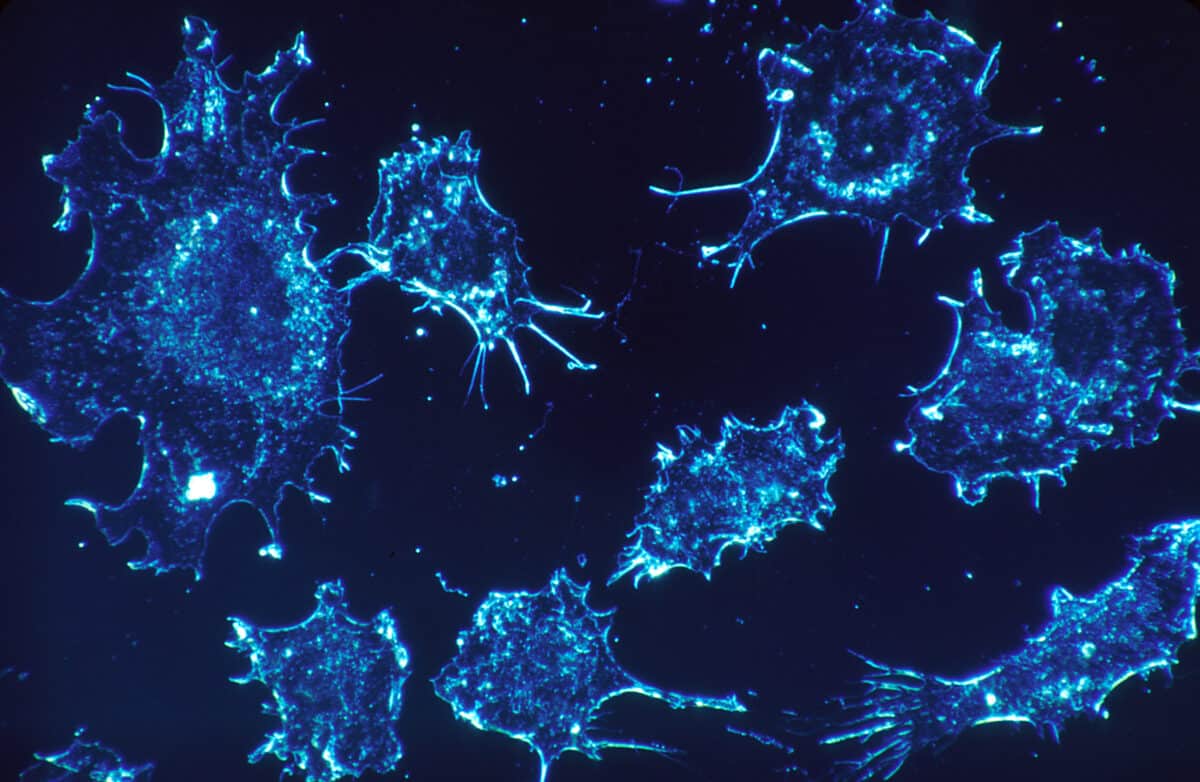
Cancercells1 Type post Author Emily Reeves Date August 20, 2026 CategoriesIntelligent DesignMedicine Tagged , AlphaFold3, apoptosis, bioinformatic data, cancer, cancer cells, carboxy-terminal domain, cell death, cells, chemotherapy, chromatin, Darwin’s Black Box, DNA, DNA replication, double helix, enzymes, Freed-Hardeman University, intrinsically disordered regions, Irreducible Complexity, isoforms, Joe Deweese, mutants, proteins, replication, TOP2A, TOP2B, topoisomerases, toxic side effects How Irreducible Complexity Can Help with Cancer Drug Research Emily Reeves August 20, 2026 Intelligent Design, Medicine 8 Topoisomerases are molecular machines that play a critical role in resolving DNA tangles and supercoiling generated during DNA replication. Read More ›
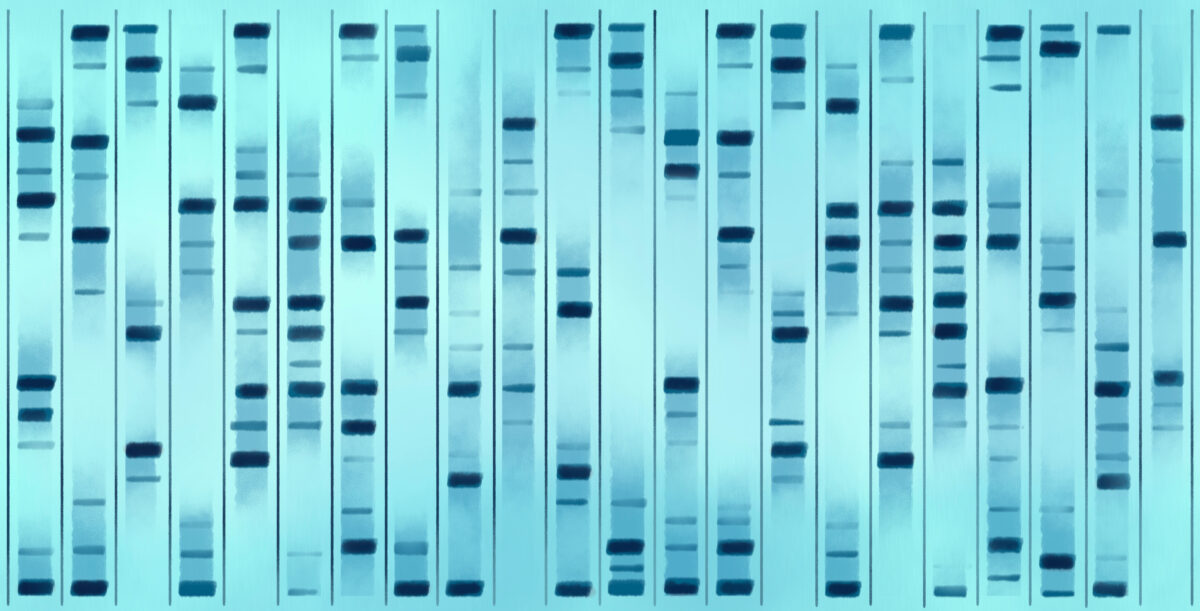
dna-sequencing-result-visualisation-researches-in-genetics-s-1635177604-stockpack-adobestock Type post Author Emily Reeves Date January 15, 2026 CategoriesBiologyIntelligent Design Tagged , AmiGO, biological networks, biology, computers, coordination, Darwinian evolution, data networks, datasets, E. coli, engineering, Gene Ontology, genomics, glycolysis, intelligent design, Introduction to Systems Biology, isoforms, Joel Bader, junk DNA, living systems, long non-coding RNAs, metabolomics, molecular biology, Molecular Systems Biology, mRNA, mutations, optimal design, optimism, proteins, proteomics, reductionist biology, Rube Goldberg, Ruedi Aebersold, smartphones, Systems Biology, technology, transcription network, transcriptomics, Uri Alon, Yuri Lazebnik Systems Biology and Intelligent Design: A Natural Fit Emily Reeves January 15, 2026 Biology, Intelligent Design 8 My optimism comes from how powerfully top-down design has succeeded in giving us the complex systems of the modern world. Read More ›
hand in mirror 2 Type post Author David Coppedge Date November 29, 2022 CategoriesBiologyIntelligent DesignLife Sciences Tagged , amino acids, biochemists, brain damage, Casey Luskin, chemists, chirality, CRISPR-Cas9, DNA, evolution, fruit flies, homochirality, intelligent design, isoforms, James Tour, life, Louis Pasteur, Nature Communications, proteins, Rob Stadler, sugar, tumors Same-Handed Molecules Are an “Overarching Design Principle” in Life, Say Researchers David Coppedge November 29, 2022 Biology, Intelligent Design, Life Sciences 7 Without foresight to solve heterochiral incidents, a primordial cell would quickly perish even if, against all odds, it began homochiral. Read More ›
actin-filaments Type post Date February 14, 2018 CategoriesEvolutionIntelligent Design Tagged , __cedited, Actin, amino acids, cells, CRISPR, dark matter, Darwinian evolution, eLife, isoforms, Jonathan Wells, junk DNA, mice, National Institutes of Health, Nature News, nucleotide, proteins, Stanford University, The Myth of Junk DNA, University of Pennsylvania More Secret Codes in “Junk DNA” Science & Culture February 14, 2018 Evolution, Intelligent Design 7 Scientists find the most interesting things when they suspect function in poorly understood parts of the genome. Read More ›