






































Science and Culture Today Discovering Design in Nature
Category

Psychology

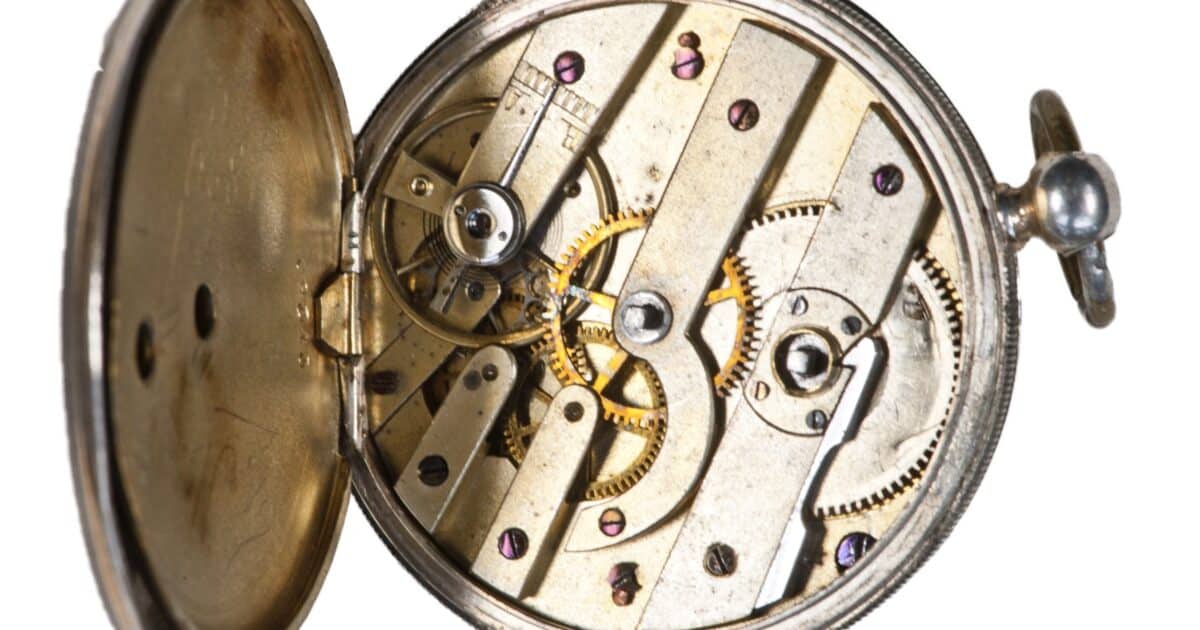
pocket watch
Photo: Pocket watch, an image Wikipedia links with intelligent design because it’s meant to suggest an association with William Paley and the antiquated “watchmaker analogy”; by Hannes Grobe (Own work) [CC BY 3.0], via Wikimedia Commons.

On ID, Myth Persists that Wikipedia Is Reliable, though Co-Founder Has Called It “Appallingly Biased”

I was reminded of this by an exchange today on Twitter, or X, or however somebody “rebrands” it tomorrow. Read More ›
Chinese Han characters
Gauger
Photo: Chinese Han characters, by Michael Coghlan, via Flickr (cropped).

Blind Ambition — Revisiting Searle’s Chinese Room

For the most part, computer scientists have tended to ignore Searle’s argument and the point of view that it represents. Read More ›
free will
Photo credit: Vladislav Babienko via Unsplash.

Free Will: What Are the Reasons to Believe in It?

Some say that free will might be a useful delusion but neuroscience provides sound reasons to believe that it is real. Read More ›
Palawan Water Monitor Lizard
Photo: Palawan Water Monitor Lizard, by Ray in Manila, CC BY 2.0 <https://creativecommons.org/licenses/by/2.0>, via Wikimedia Commons.

Reptilian Brain Myth Is Still Alive and Kicking

Many psychology students are subjected to this day to an exploded pop neuroscience myth endorsed by celebrity scientist Carl Sagan. Read More ›
gift for Professor Dave
Photo: A gift for Professor Dave, via YouTube (screenshot).

“Professor Dave” and the Art of Projection
If I ever get asked to write a chapter on projection for a psychology textbook, Dave Farina’s outrageously disrespectful performance will be exhibit A. Read More ›
DNA
Image credit: Miroslaw Miras, via Pixabay.

New Open-Access Book from South Africa Explores Intelligent Design and Science-Faith Issues

We’ll feature excerpts here in the future, but for now I’d like to highlight some special features of chapters in the book. Read More ›
dog
animals
Photo credit: Marcus Wallis via Unsplash.

Claim: Dogs Can Form “Abstract Concepts”

It’s a good idea to be skeptical when any such claim is followed up with the assertion that humans “aren’t that cognitively unique after all.” Read More ›
dolphins
Photo: Dolphins, by Gregory “Slobirdr” Smith [CC BY-SA 2.0], via Wikimedia Commons.

Brain Size Doesn’t Determine Intelligence
Brains are not simple, so many “just common sense” theories have fallen by the wayside. Read More ›
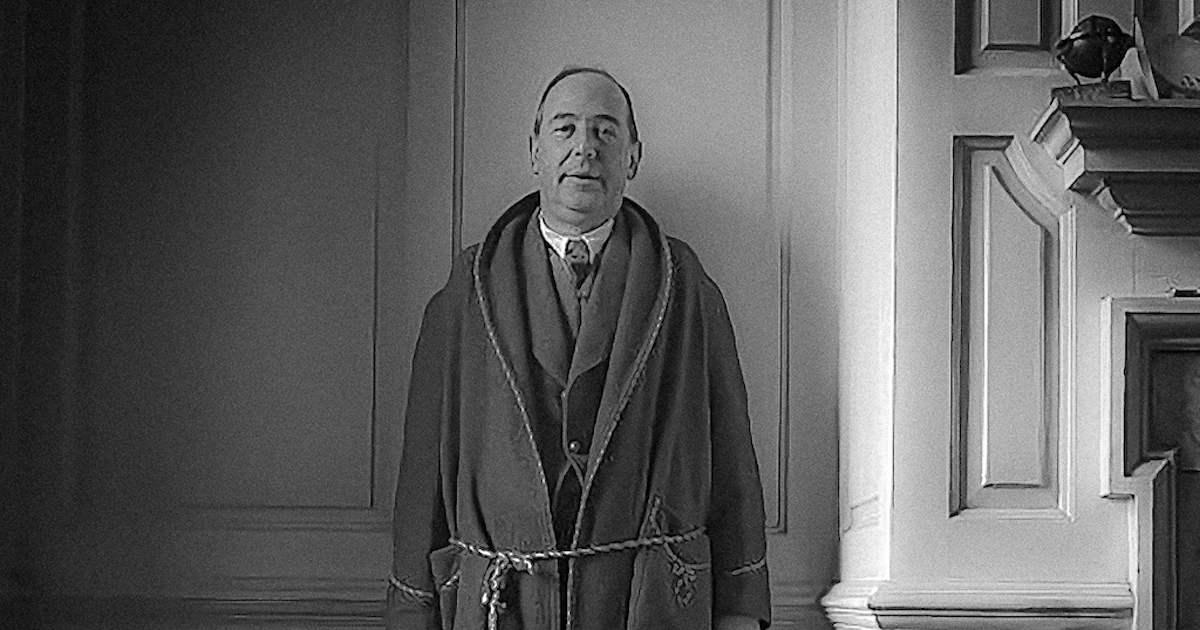
C. S. Lewis
Photo: C. S. Lewis, via Asar Studios/Alamy (Photo by © Norman Parkinson Archive/Iconic Images/Getty Images).

John West: C. S. Lewis and the “Human Fallibility of Science”

The spirt or psychology of the day gives us the science we wished for. This makes it highly fallible, and potentially dangerous. Read More ›
Mimosa pudica
Photo: Mimosa pudica, the "shameplant, by Suyash.dwivedi, CC BY-SA 4.0 <https://creativecommons.org/licenses/by-sa/4.0>, via Wikimedia Commons.

How Plants Talk When We’re Not Around

One genuine surprise in recent decades has been the discovery that plants have nervous systems like animals. Read More ›

© Discovery Institute