






































Science and Culture Today Discovering Design in Nature
Author

Günter Bechly

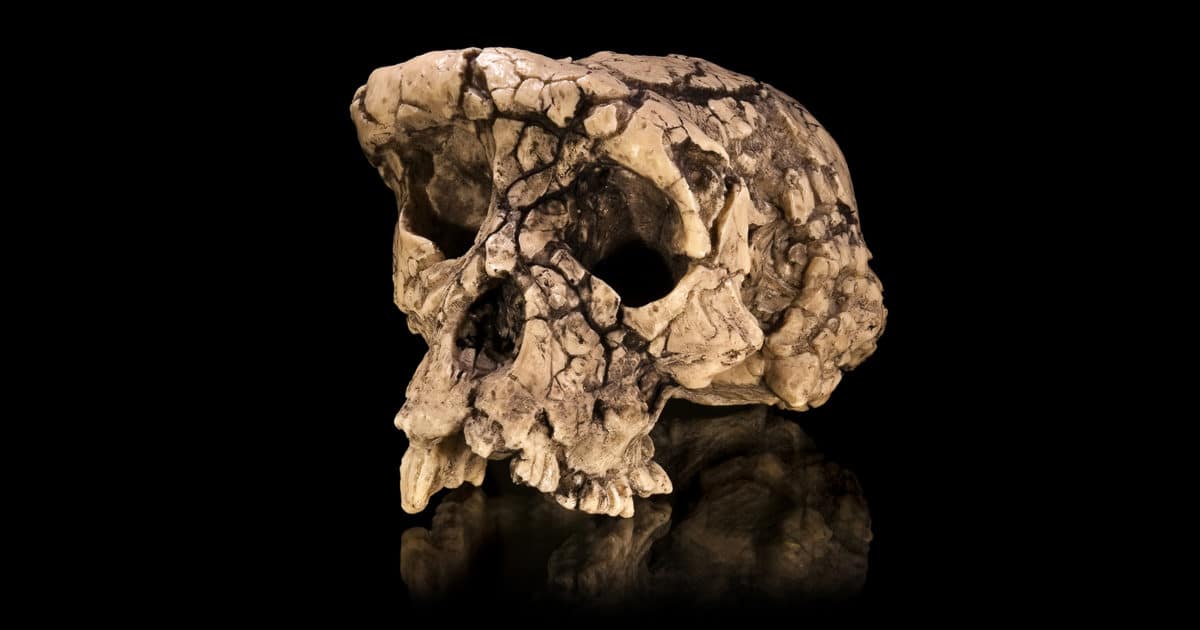
Sahelanthropus
Photo: Sahelanthropus, by Didier Descouens, CC BY-SA 4.0 <https://creativecommons.org/licenses/by-sa/4.0>, via Wikimedia Commons.

Fossil Friday: Sahelanthropus, to Be or Not to Be Bipedal

On the morning of July 19, 2001, French scientist Alain Beauvilain and three Chadian colleagues discovered a fossil cranium in the dunes of the Sahara Desert. Read More ›
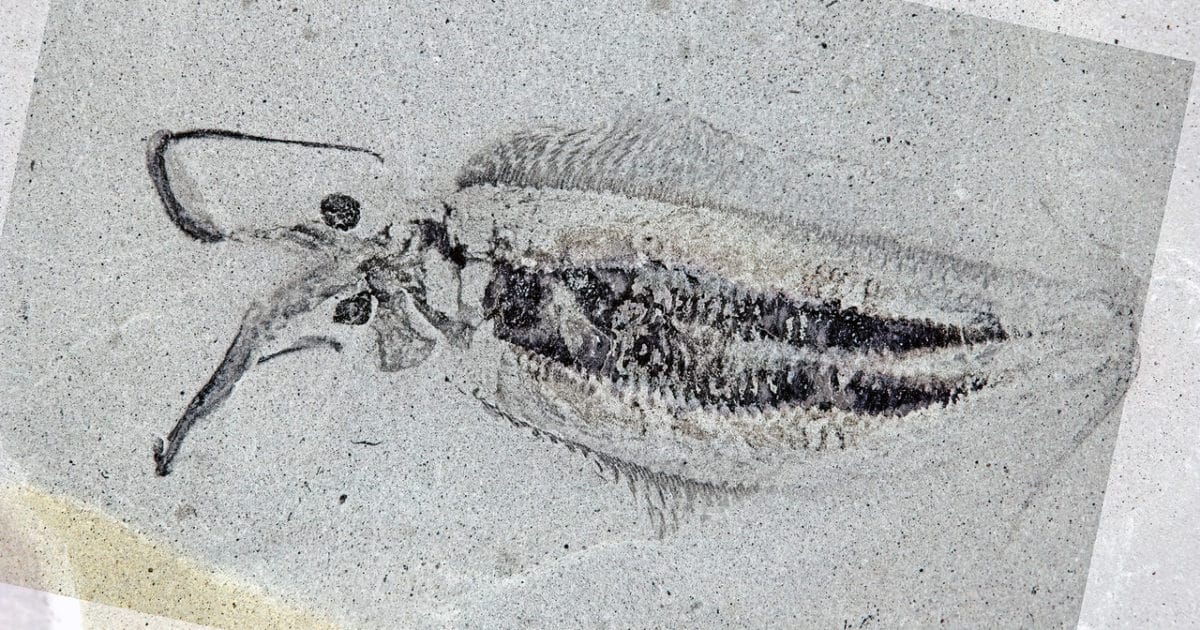
Nectocaris
Photo credit: Martin R. Smith, CC0, via Wikimedia Commons.

Fossil Friday: Nectocaris, the Impossible Squid
Paleontology sometimes seems like a kind of imaginative Rorschach test with the flattened fauna of roadkill. Read More ›
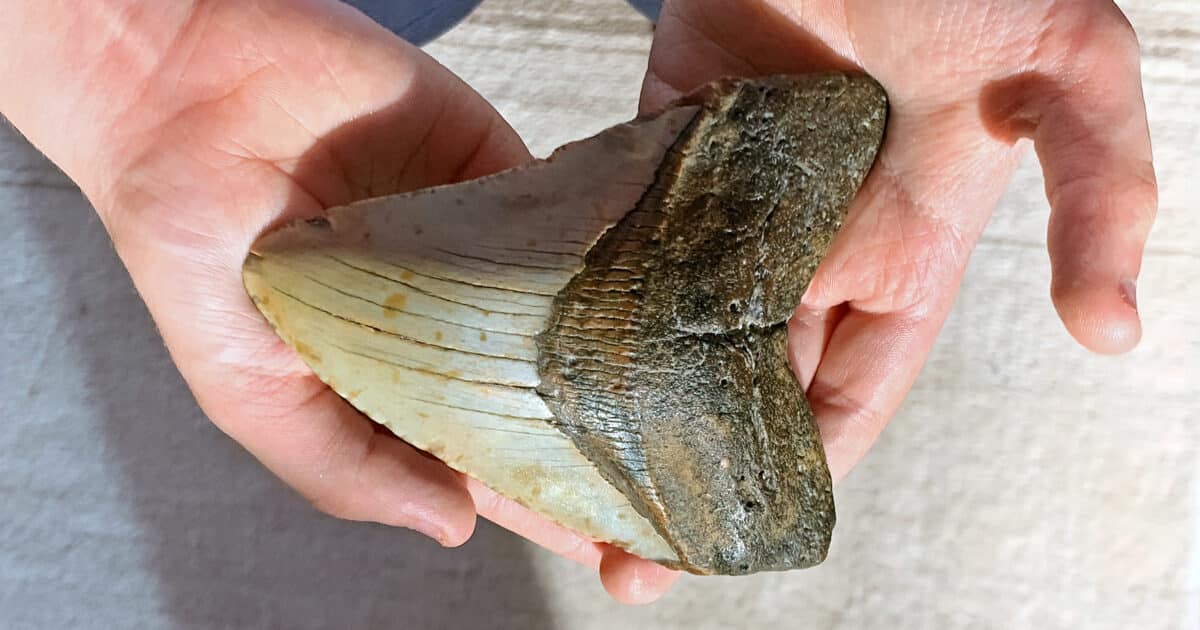
Megalodon
Photo credit: Günter Bechly.

Fossil Friday: Megalodon and Intelligent Design in Sharks
Megalodon was a specialized apex predator and fed mainly on large baleen whales. Read More ›
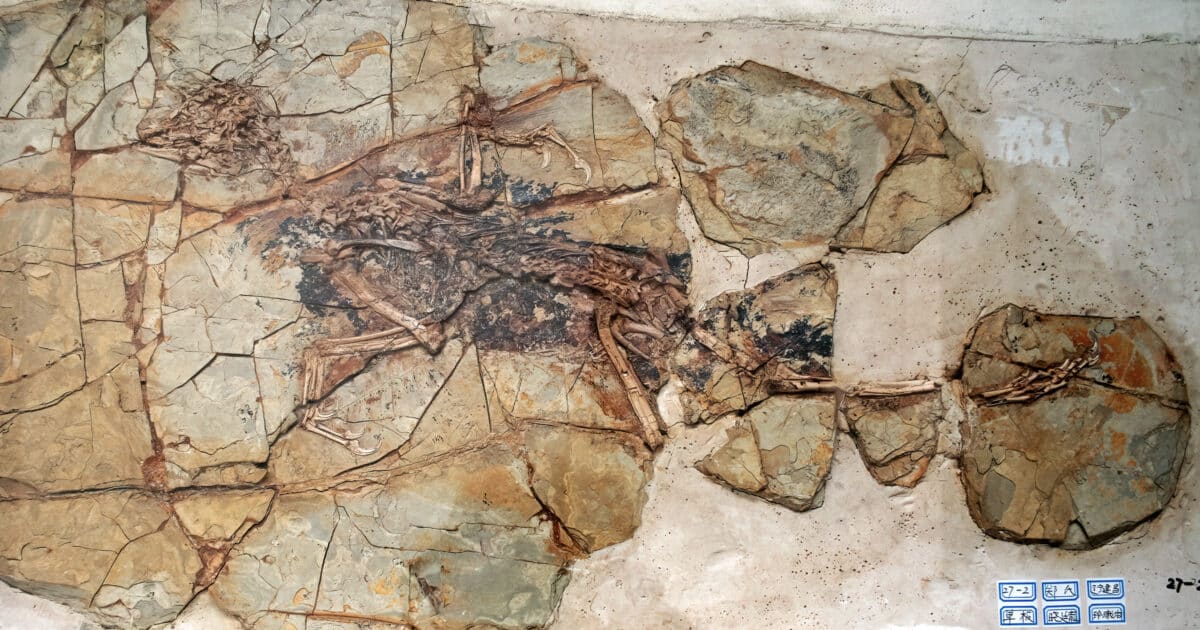
Xiaotingia
Photo: Xiaotingia, by Bruce McAdam, CC BY-SA 2.0 <https://creativecommons.org/licenses/by-sa/2.0>, via Wikimedia Commons.

Fossil Friday: The Temporal Paradox of Early Birds
Wherever you look in the fossil record you stumble upon problems for the Darwinian story and evidence that is better explained by intelligent design. Read More ›
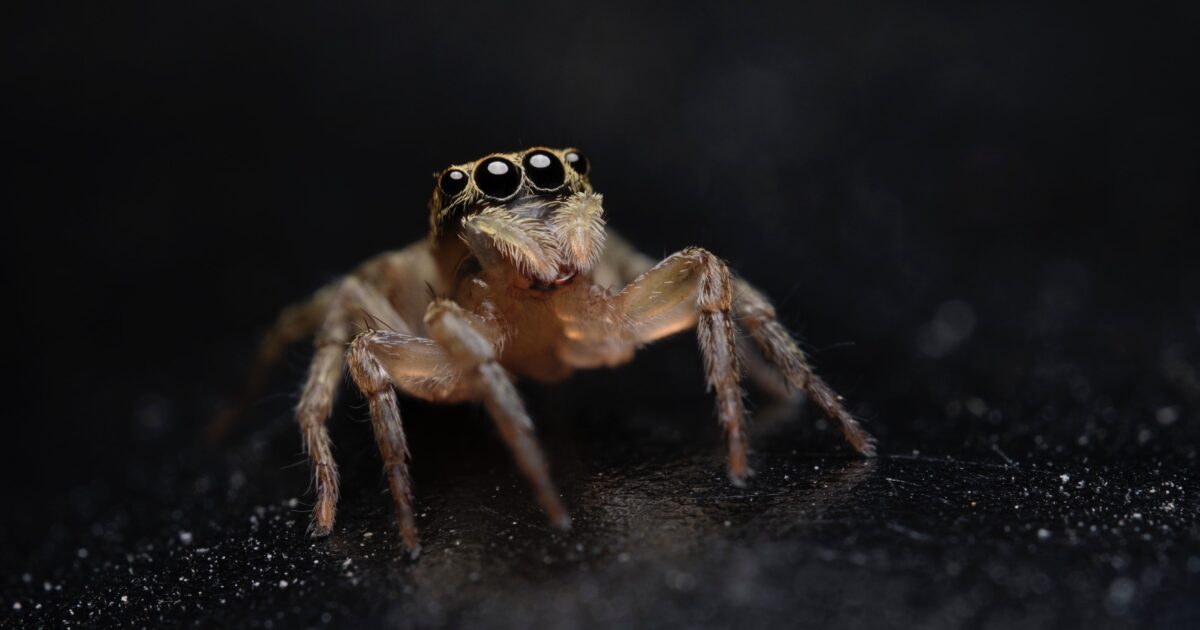
spider
Photo credit: Victor Grabarczyk, via Unsplash.

Dreaming Spiders? My Disagreement with Michael Egnor
Rapid eye movement may indicate neural activity, but dreaming for me implies a conscious awareness of the dream state, which I consider as unlikely in spiders. Read More ›
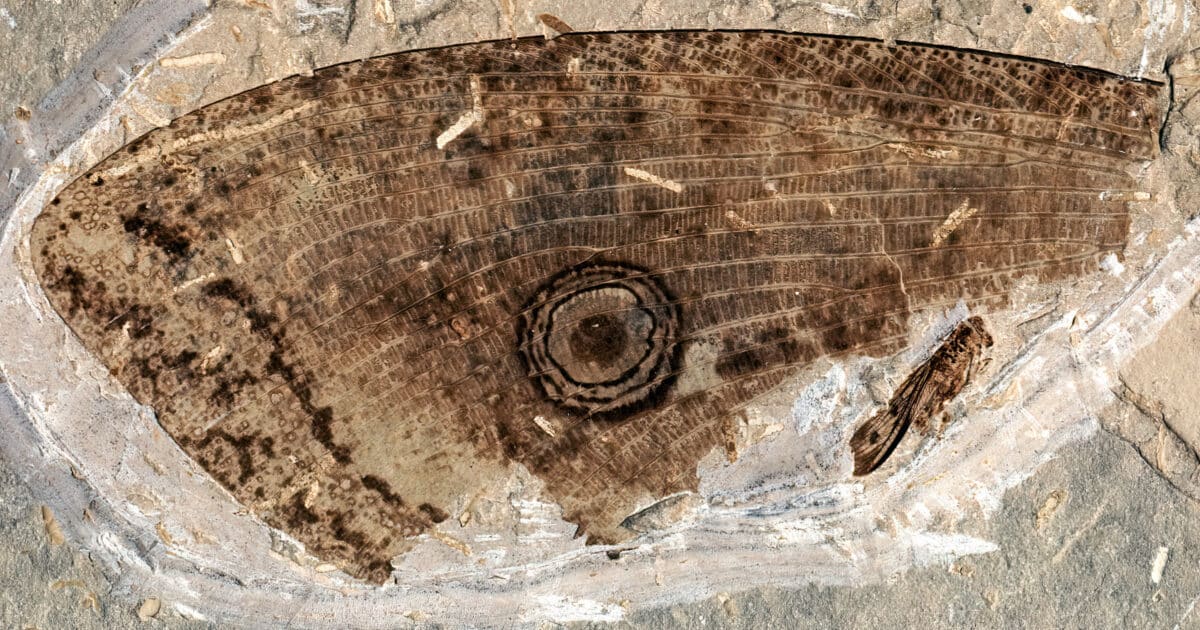
Makarkinia
Photo credit: Günter Bechly.

Fossil Friday: A Fossil Butterfly Lookalike
An intelligent design paradigm can easily accommodate convergences as a natural consequence of a designer reusing the same ideas in different constructions. Read More ›
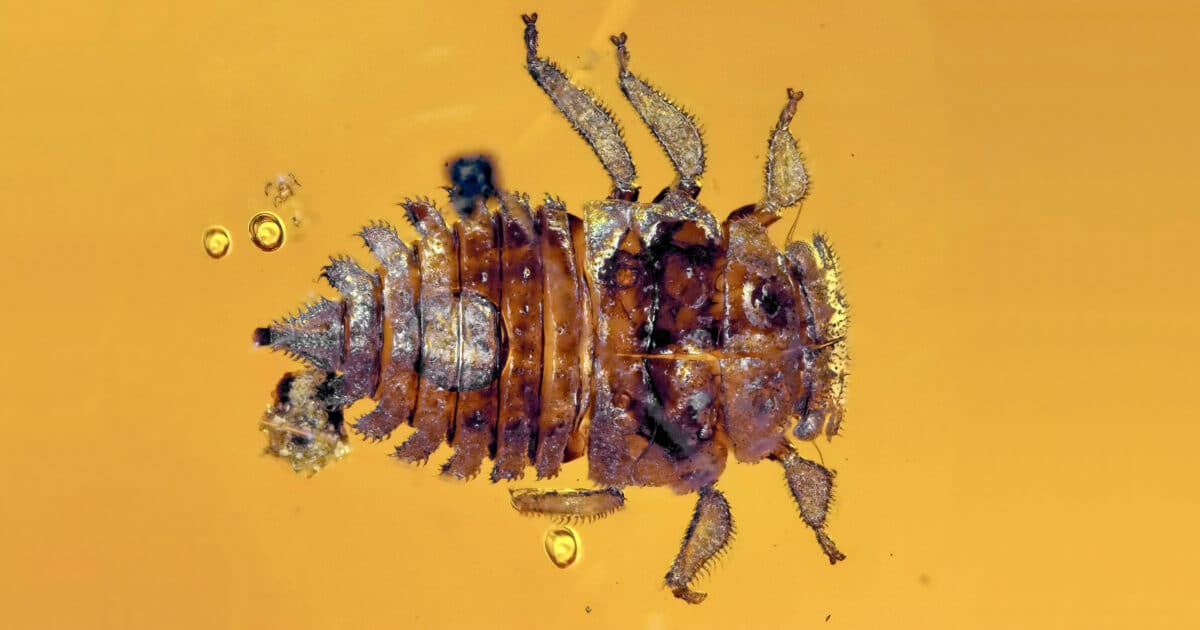
Do_Membracidae_Sauriermuseum_Aathal
Photo: A treehopper nymph of the family Membracidae, by Günter Bechly.

Fossil Friday: Treehopper Nymph in Dominican Amber and the Miracle of Mimicry
The miracle of mimicry, for which there are countless examples in the animal kingdom, represents powerful evidence for design in nature. Read More ›
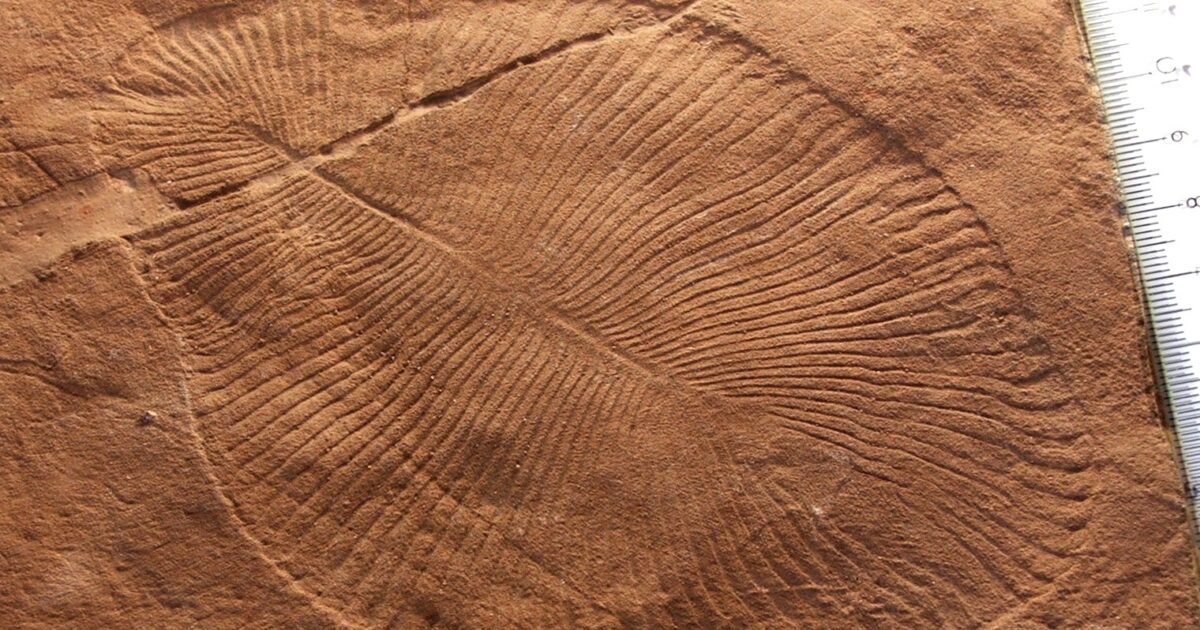
Dickinsonia
Photo: Dickinsonia, by Smith609 at English Wikipedia, CC BY-SA 3.0 <http://creativecommons.org/licenses/by-sa/3.0/>, via Wikimedia Commons.

Fossil Friday: Dickinsonia, the Ediacaran Animal that Wasn’t
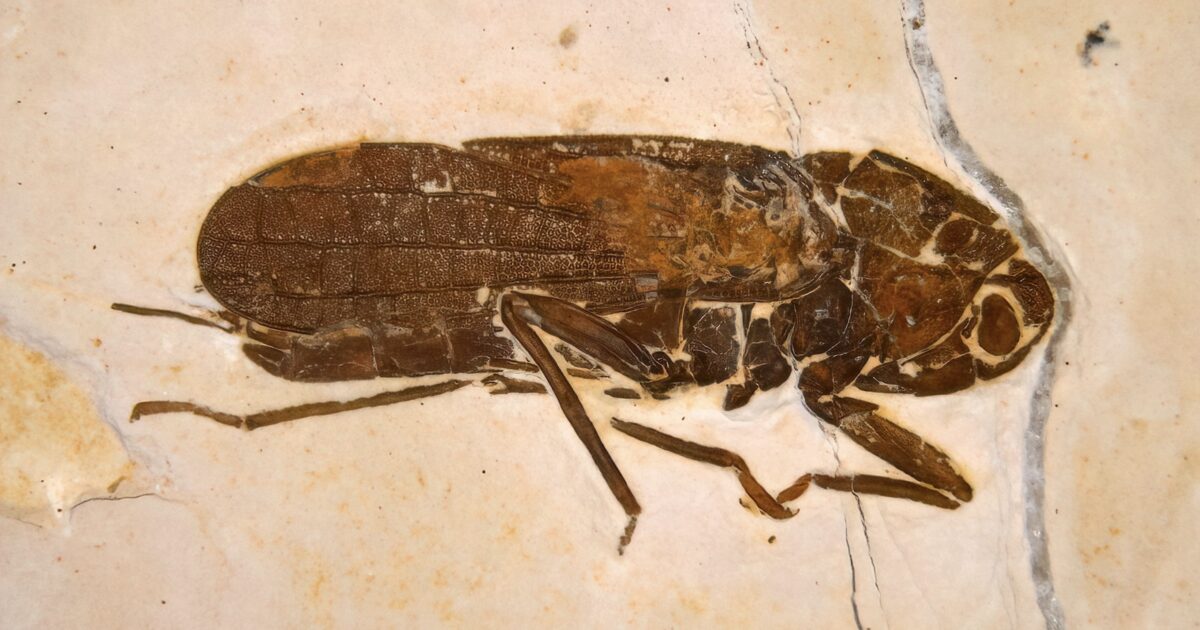
Gregory Retallack is a kind of maverick paleontologist, who endorses a fringe hypothesis that Ediacaran organisms were not marine but terrestrial lichens. Read More ›
Cicada
Photo credit: Günter Bechly.

Fossil Friday: Unknown Cicada from the Cretaceous
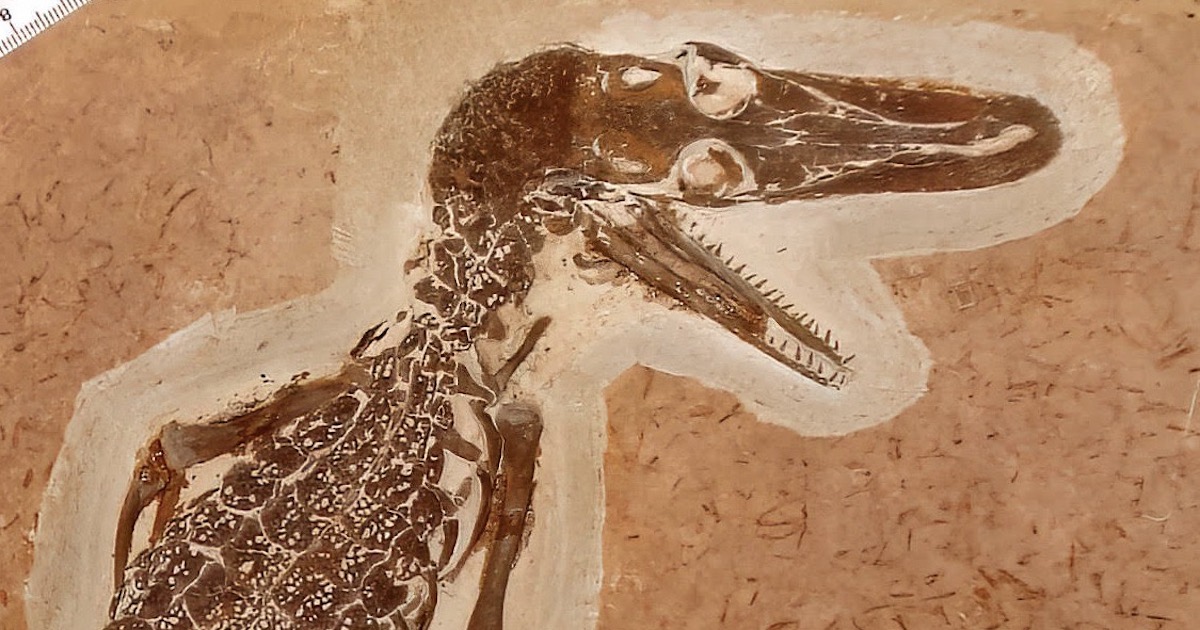
Only the infusion of new information from outside the system can explain these bursts of biological creativity. Read More ›
Croc's smile
Photo: Susisuchus anatoceps, by Günter Bechly.

Fossil Friday: A Croc Smile from the Cretaceous

Ubiquitous discontinuities contradict the gradualist predictions of Darwin’s theory and thus should count as empirical falsifications of that theory. Read More ›

© Discovery Institute