






































Science and Culture Today Discovering Design in Nature
Author

Casey Luskin

Mexican free-tailed bats
Photo: Mexican free-tailed bats, by dizfunkshinal, CC BY 2.0 <https://creativecommons.org/licenses/by/2.0>, via Wikimedia Commons.

The Positive Case for Intelligent Design in Systematics (the Relationships Between Organisms)
The re-usage of highly similar and complex parts in widely different organisms in non-treelike patterns is best explained by the action of an intelligent agent. Read More ›
trilobites
Photo: Trilobites, by Kevin Walsh [CC BY 2.0], via Wikimedia Commons.

The Positive Case for Intelligent Design in Paleontology

The dominant pattern in the fossil record is explosions of new biological forms. The Cambrian explosion is a prime example. Read More ›
DNA
DNA
Image credit: Geralt, via Pixabay.

Investigating the Evidence for Intelligent Design — in Biochemistry and Other Fields
Irreducible complexity and high CSI systems are found, indicating these systems were designed. Read More ›
Lyell_1840
Image: Charles Lyell in 1840, by Alexander Craig, Public domain, via Wikimedia Commons.

Outlining Intelligent Design’s Positive Argument

To borrow geologist Charles Lyell’s words, intelligent agency is a cause “now in operation” that can be studied in the world around us. Read More ›
4x4 truck
Photo credit: jasongillman, via Pixabay.

What Is the Positive Case for Intelligent Design?
Imagine that you took your 4x4 truck off-roading and you returned home with the truck covered in mud. Read More ›
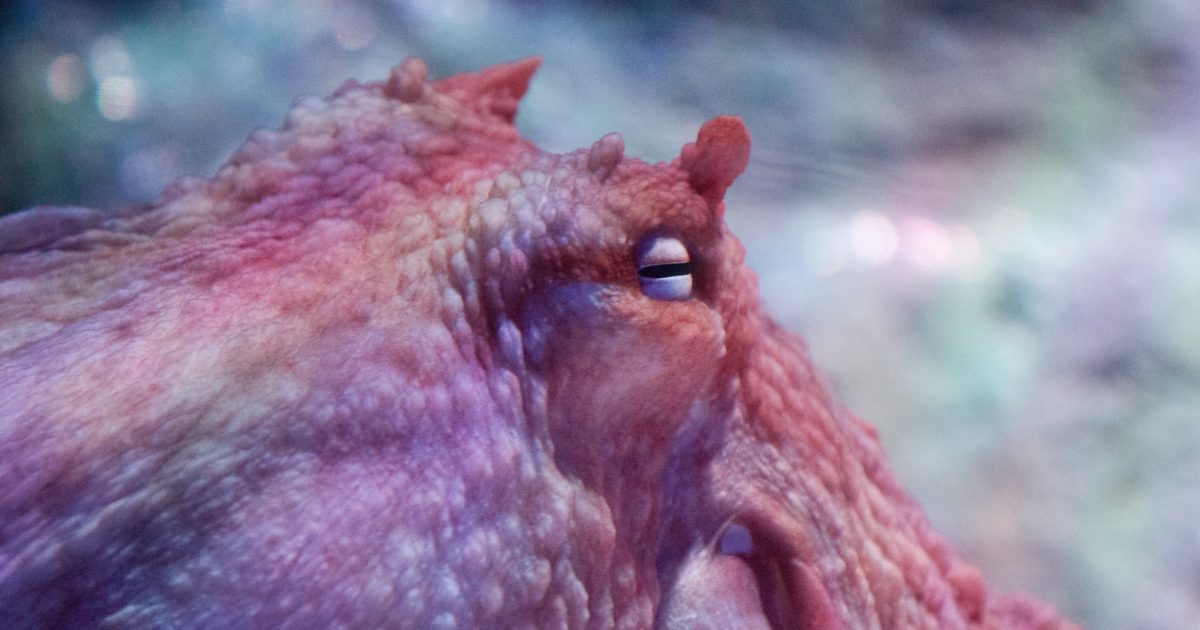
octopus eye
Photo credit: Nathan Rupert, via Flickr (cropped).

More Implausible Stories about Eye Evolution

Such accounts invoke the abrupt appearance of key features of advanced eyes including the lens, cornea, and iris. Read More ›
Seminar Meyer
Photo: Stephen Meyer teaching at the Summer Seminars, via Discovery Institute.

Looking for a Future in Intelligent Design Research? Come to the Summer Seminars!
On what seems like almost a daily basis, some new ID-friendly scientist emails us out of the blue to make contact with kindred spirits. Read More ›
hawk eye
Photo: A hawk's eye, by abrinsky via Flickr (cropped).

Paper Provides More Evidence that Mutations Aren’t Random
A news release from the University of Haifa pulls no punches about the implications. Read More ›
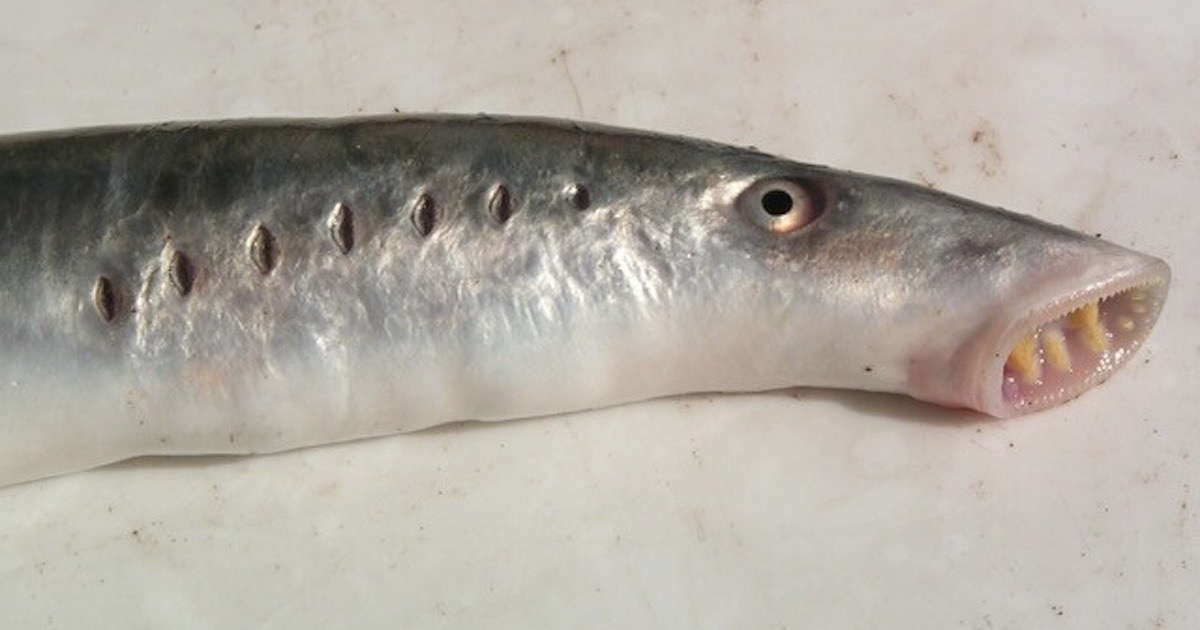
Lamprey
Photo: A lamprey, by M. Buschmann, CC BY-SA 3.0 <http://creativecommons.org/licenses/by-sa/3.0/>, via Wikimedia Commons.

Nature Communications Retroactively Concedes a Lack of Evidence for Darwinian Gradualism

Explaining the origin of complex phenotypic novelty is the million-dollar question in evolutionary biology. Read More ›
jcvi-syn3a-minimal-cell
Image credit: David S. Goodsell, RCSB Protein Data Bank. doi: 10.2210/rcsb_pdb/goodsell-gallery-042.

The New Yorker Takes “A Journey to the Center of Our Cells”

There’s a problem that biologists have long pondered — how do proteins find other proteins within the cell that they are supposed to interact with? Read More ›

© Discovery Institute