


























The New York Times has just marked the 175th anniversary of its first day of publication with a roundup of the ten most significant days in the news since then. The number one such day, the most momentous according to the newspaper’s panel of scholars, is today’s November 24 birthday of the publication of Darwin’s Origin of Species in 1859.
It wasn’t recognized as this immediately, but the Times hails it now as “The Day God Was Dethroned.” If that were true, it really would be the most momentous day of the past 175 years, and perhaps of all time. If the assessment were correct, then it would be hard to argue with this statement from the Times. From, “10 Days that Changed the World”:
If all species, including humans, had evolved into their current forms over enormous time spans, inheriting helpful traits and discarding detrimental ones, the implication was clear: God had no place in this account of creation. Coverage in The Times soon reflected this earthshaking idea.
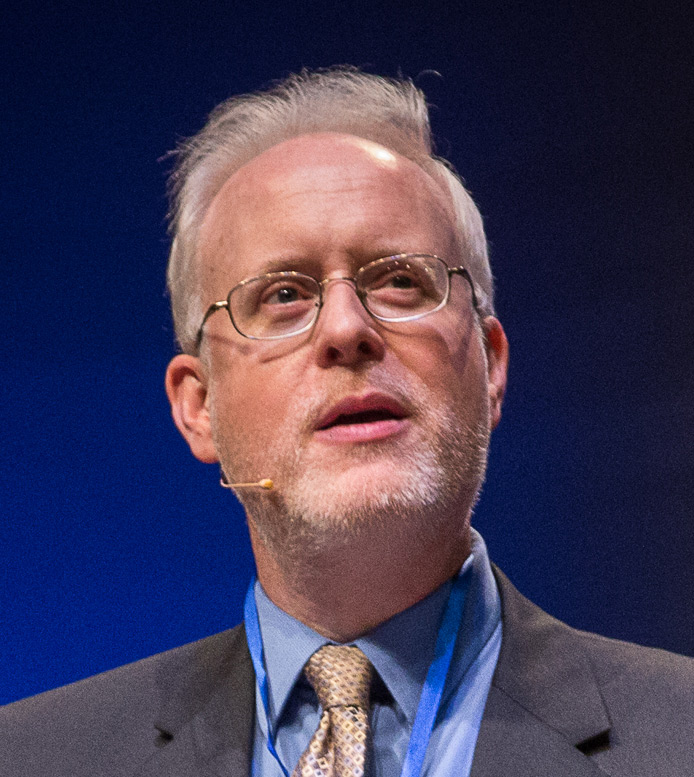
Or as one of the experts on the panel, Fred Turner, says, “If Darwin’s account was true, where was God?”
Latest Hole in the Origin
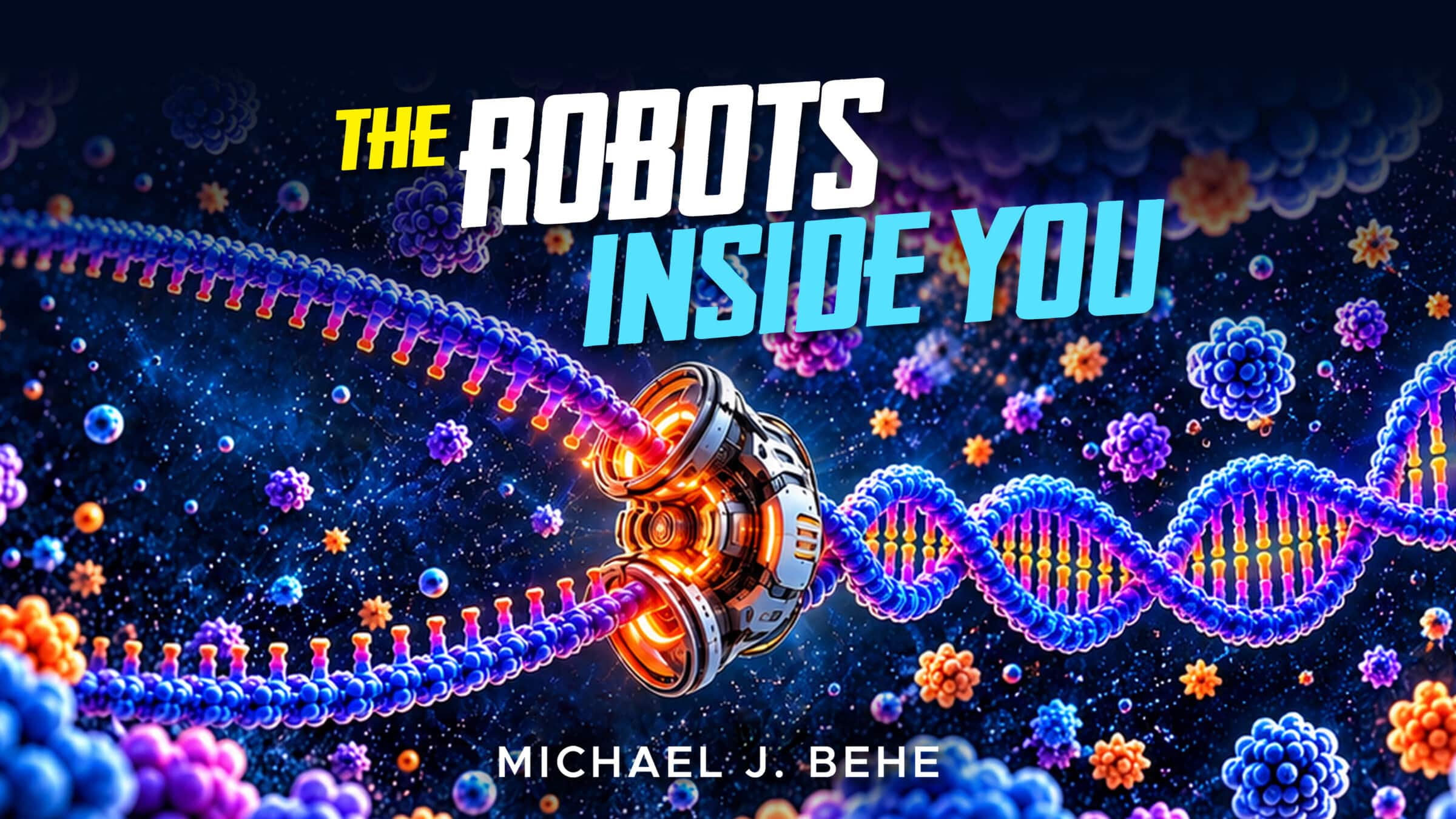
By a fun coincidence, today also marks the publication of a book from Discovery Institute Press, The Robots Inside You, by biochemist Michael Behe, that pokes the latest hole in Darwin’s Origin. It does so in the most accessible terms yet. Behe’s Robots, those ingenious molecular machines inside every one of us, can’t be explained by the mindless Darwinian process of “inheriting helpful traits and discarding detrimental ones.”
Dr. Turner also says, “It’s hard to think of anything else that reframed how humans think the natural world works more powerfully than ‘The Origin of Species.’ It gives a framework on which things can be built.”
That is a joke. Darwin knew nothing about the tiny robots that Behe documents, about the engineering genius that lies behind them, about how such things “can be built.” Engineering is the science of how clever things are built and how they operate. If Fred Turner, Professor of Communication at Stanford, knows much about that himself, it’s hard to see how he could make such silly pronouncements. According to his web page, he “stud[ies] media, technology and American cultural history.” OK, whatever.
The Robots Inside You is intended mainly for middle school and high school students. It’s Amazon’s #1 new release in books about biology for teens and young adults. Those young people who are enrolled in 9th-grade biology, or who will be before long, would benefit from being inoculated against the tired, failed science that says unguided evolution can explain everything in life.
Adults who are new to Behe’s work, or new to intelligent design, would also find this little book mind-expanding. The Robots Inside You is available now. It’s a great stocking stuffer. I recommend it to Professor Turner.