
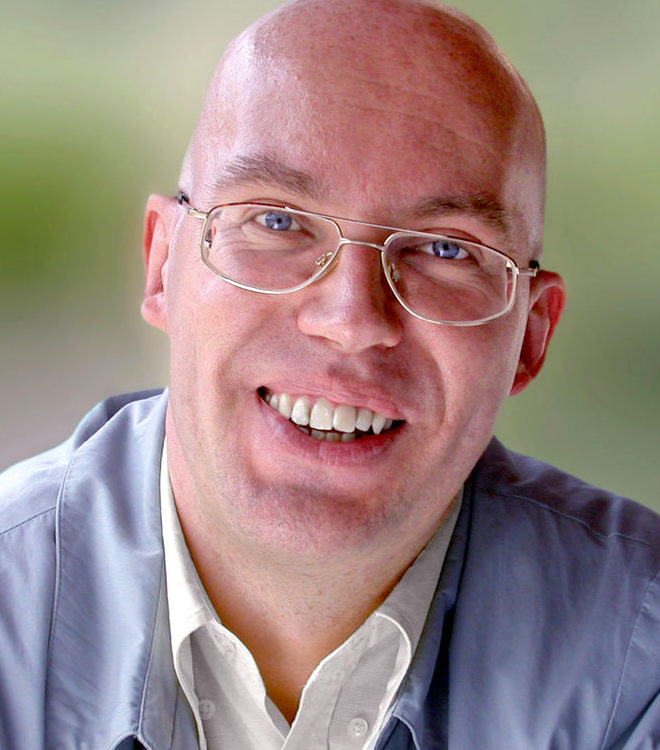
























It turns out the BBC version of Evolution, a documentary co-production with NOVA PBS, is more bluntly atheist than the American version, which I wrote about last week, here and here. The BBC’s aired previously while our own is just one episode in. It’s hard to compare them side by side because you can’t watch the British one in the U.S., or vice versa. To do that, you’d have to jump on a plane and cross the Atlantic. But British evolutionary biologist Richard Buggs reviewed the BBC production, and it’s pretty wild.
“Philosophy and Even Theology”
Professor Buggs writes at his blog (my emphasis added):
As I watched the series, I was disappointed that Chris Packham’s opening words make clear that his aim goes far beyond simply conveying the current state of the scientific field of evolutionary biology. He immediately reaches beyond that, into the realm of philosophy and even theology.
He says:
“Across our natural world, life has taken on countless forms: wondrous, strange and endlessly diverse. It’s easy to imagine that all of this is, like, somehow preordained, that it’s been made, a world of balance and purpose. But the truth…The truth is much wilder. This is a world of survivors… behind it all is the unstoppable force of evolution.”
Rather than simply describing scientific theory and evidence, Packham is telling us what people should believe about the big questions of life. For him, theists, who consider the evidence to suggest that God has planned and made the natural world are simply imagining things. In contrast, the atheist Chris Packham knows the truth: evolution did it, and evolution precludes a Maker.
As mentioned in my previous post, a third of the British public believe that God played a role in the origin of the natural world, either by guiding evolution towards a planned goal, or by direct creation. One might therefore expect the BBC to take theism seriously in discussing our origins, discussing the evidence for and against in an even-handed way.
Unfortunately, Packham does not do this. He draws a simple dichotomy between evolution and divine action which permeates the series. Later in Episode 1, he says:
“To understand the elephant, the largest land animal alive today, you have to understand evolution itself. There was no blueprint, no grand design. Evolution. It’s a process shaped by powerful invisible drivers. Like hunger, conflict, and even catastrophe.”
In Episode 3 he makes the same point again, this time about our ear bones:
“No designer was involved in making these bones, which are currently floating in your head allowing you to hear what I’m saying. All that was needed was life’s relentless drive to find food.”
For many theists, the human mind is particularly strong evidence of the divine, but Packham is equally dismissive of this in Episode 4:
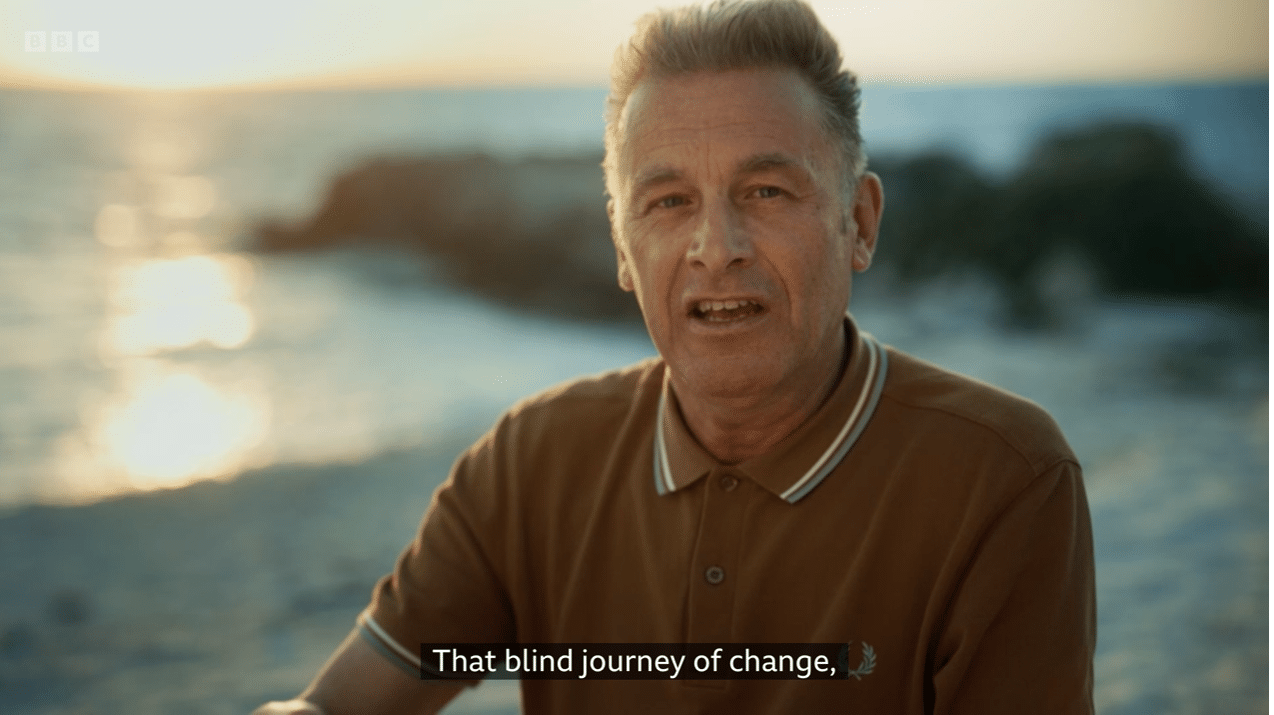
“But here’s one thing that we know for certain: our brains, our minds simply wouldn’t exist without the power of evolution. That blind journey of change, of innovation, of exquisite beauty.”
In Episode 5 he proclaims bluntly:
“we weren’t made”
Throughout the series, Packham clearly expresses the view that evolution is responsible for every aspect of our origins and it is blind, purposeless and unguided. For him, it is the opposite of design. It precludes any involvement from God.
This view is not supported by any of the scientific evidence that he describes in the series. It is a statement of philosophical presuppositions, not of scientific conclusions. It is Packham’s personal belief as an atheist.
Taking Aim at Design
Notice the references to “design” and a “designer.” What they’re taking aim at is the theory of intelligent design. They’re pretty clear about that. Too bad for the BBC that, as Dr. Buggs writes, the case against design “is not supported by any of the scientific evidence that [Chris Packham, pictured at the top] describes in the series.”
Buggs concludes that Packham’s “beliefs are stated as if facts, in a manner that does not even attempt to wrestle with the evidence that theists see in the natural world for God’s existence.”
Barely Plausible Deniability
There’s no equivalent of a personal “presenter” like Packham in the NOVA PBS edit which, instead, proceeds by insinuation. Like some poisonous U.S. podcasters I can think of, it prefers to leave itself some grounds for barely plausible deniability. I find the clear statement of what you’re trying to convey at least more honorable than always leaving room for future denials as needed.
NOVA PBS is more like, “We never said you viewers at home ‘weren’t made.’ We only said that with evolution, things ‘lead to,’ ‘trigger,’ ‘arrive,’ ‘arise,’ ‘drive,’ ‘change,’ ‘develop,’ and ‘happen.’ We only said that evolution occurs because of evolution!” How pathetic and mealy-mouthed, at least so far. I’m not sorry that as of last year, federal funding for PBS (through the late Corporation for Public Broadcasting) is now extinct.